Methodology
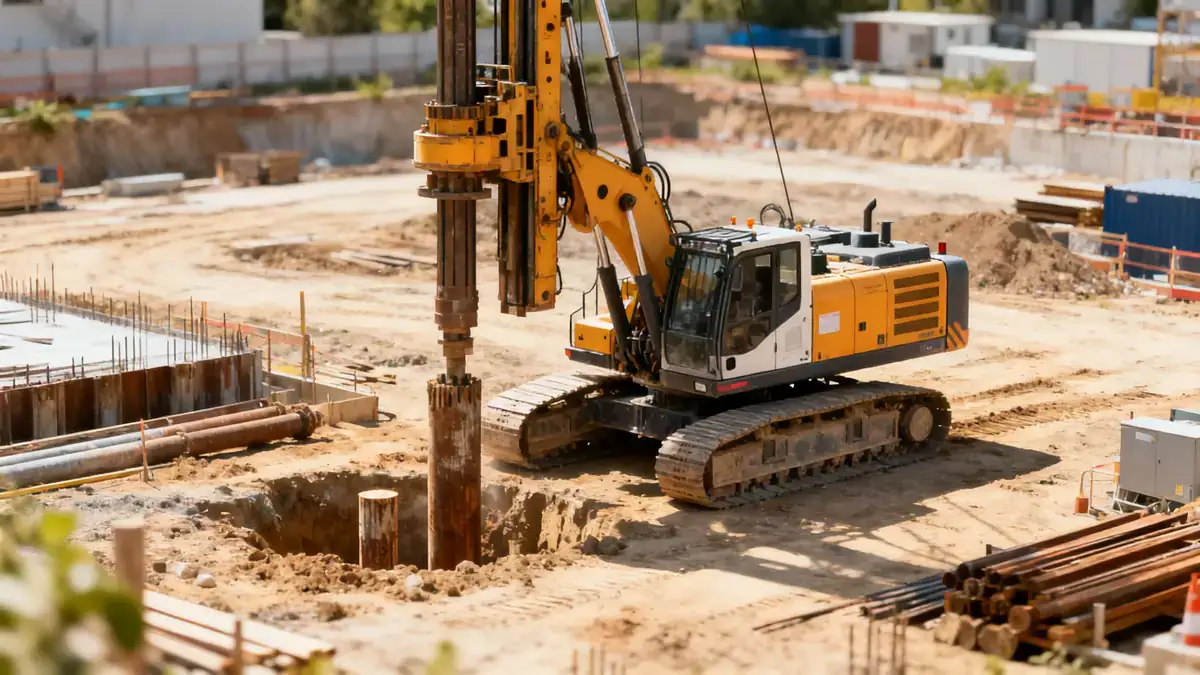
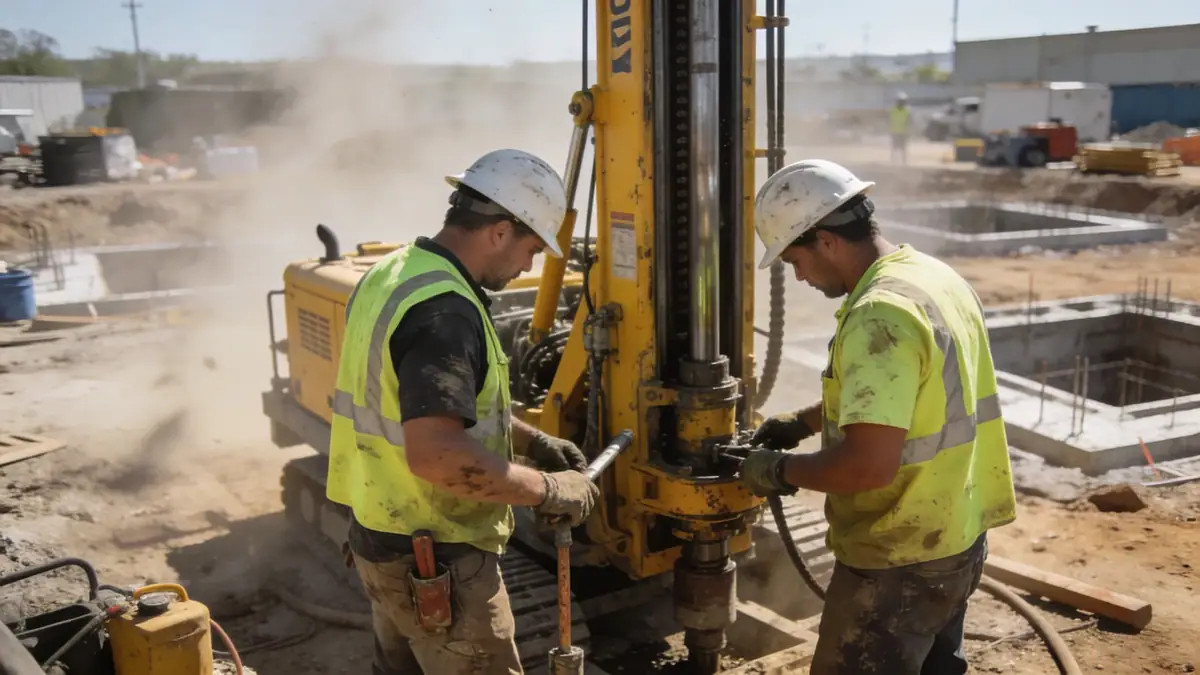
Our methodology for geotechnical engineering in Pittsburgh integrates thorough subsurface investigation using techniques such as spt boring to recover disturbed and undisturbed samples. We follow ASTM D1586 for standard penetration tests, with sampling intervals typically every 1.5 m to capture soil variability. In the laboratory, we perform index tests, consolidation, and direct shear tests to determine engineering properties. Field and lab data are synthesized to develop site-specific geotechnical models, ensuring compliance with local building codes and the International Building Code (IBC). Our approach emphasizes risk mitigation through rigorous quality control and peer review.
Reference Technical Parameters
| Parameter | Reference Value |
|---|---|
| Predominant soil type | Glacial till and interbedded sandstone/shale |
| Maximum seismic acceleration (PGA) | 0.15g (ASCE 7 Seismic Category C) |
| Typical groundwater level | 3–10 m below surface, variable with season |
| Bedrock depth | 5–30 m, shallower on hilltops |
| Typical N60 range | 10–50 blows/0.3 m in till; >50 in weathered rock |
Local Considerations — Pittsburgh
Pittsburgh's topography creates sharp contrasts in subsurface conditions: valley fills along the rivers often contain soft alluvial soils with high groundwater, while hillside areas feature stiff glacial till over sedimentary bedrock. Our geotechnical engineering in Pittsburgh addresses these variations through targeted exploration plans. For instance, slope stability analyses are critical in hillside developments, while settlement and liquefaction assessments govern riverfront projects. We reference local case histories and the City of Pittsburgh's grading and excavation ordinances to provide context-specific recommendations. Furthermore, our team's experience extends to regional projects, including geotechnical engineering en Philadelphia, ensuring a broad perspective on Pennsylvania's diverse ground conditions.
Request a Quote
Our team reviews your project and issues an initial report at no cost.
Or write us directly at [email protected]
Services in Pittsburgh
Applicable Standards
- ASCE 7-16 (Minimum Design Loads and Associated Criteria for Buildings and Other Structures)
- International Building Code (IBC 2021)
- Pennsylvania Uniform Construction Code (UCC)
- City of Pittsburgh Grading and Excavation Ordinance
- ASTM D1586 (Standard Penetration Test)
Frequently Asked Questions
What are the predominant soil types in Pittsburgh?
Pittsburgh's soils are primarily glacial till (a dense mixture of clay, silt, sand, and gravel) overlying interbedded sedimentary rock sequences of sandstone, shale, and limestone. Alluvial deposits of sand, silt, and clay are present along the three rivers.
How does seismic design affect geotechnical engineering in Pittsburgh?
Pittsburgh is in Seismic Category C per ASCE 7, with a peak ground acceleration of 0.15g. This requires site-specific response spectra and liquefaction assessment for certain soil profiles, particularly in alluvial valleys where loose saturated sands may exist.
Are geotechnical studies mandatory for construction in Pittsburgh?
Yes, the City of Pittsburgh and the Pennsylvania UCC require geotechnical investigations for most new buildings and major renovations, especially where slopes exceed 3:1 or foundations are in floodplains. The scope depends on structural loads and site conditions.