Methodology
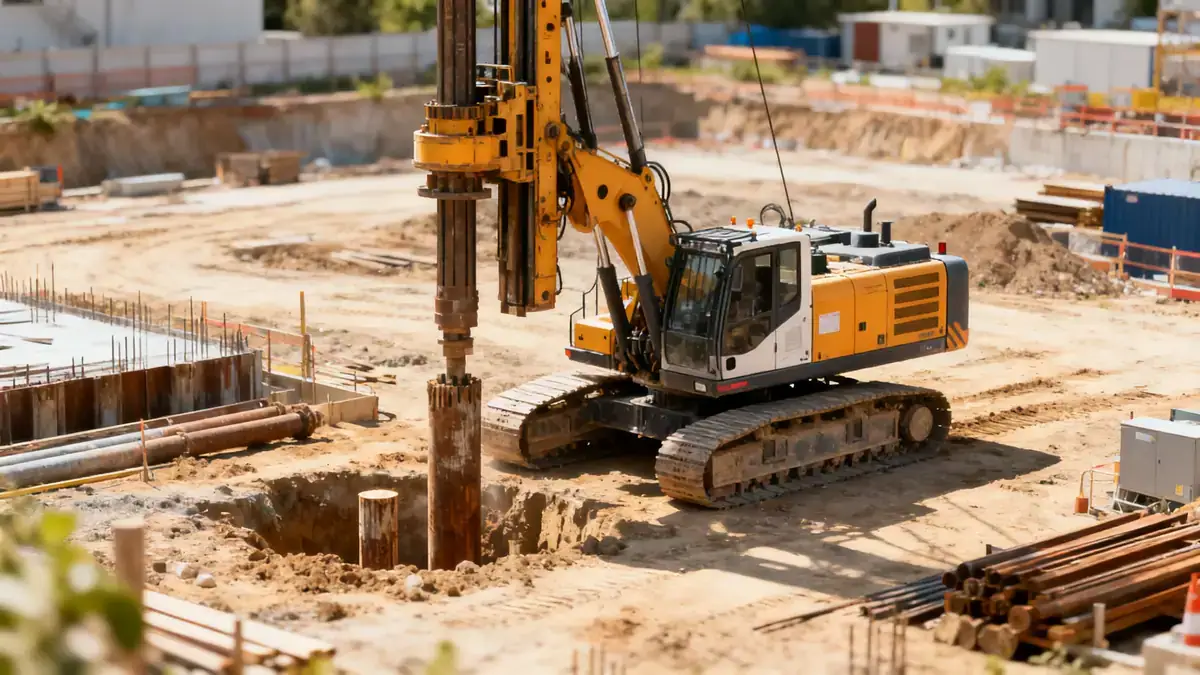
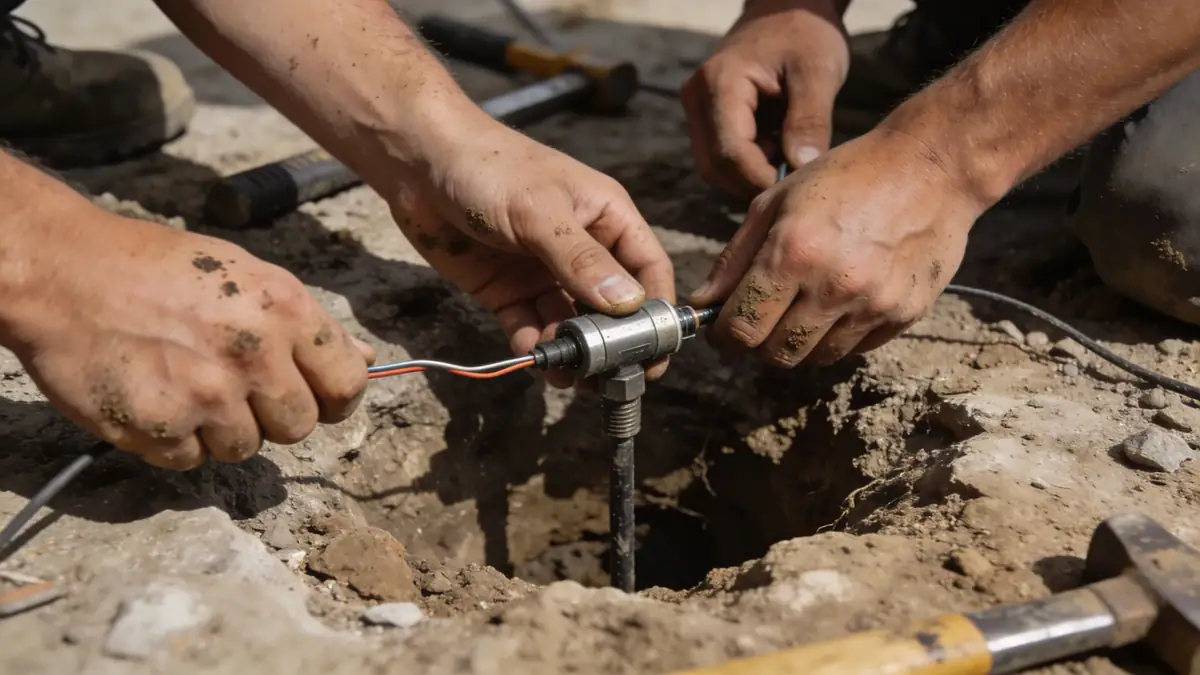
Our approach to geotechnical engineering in Pomona begins with a thorough review of existing geological maps and previous studies. We then implement a phased field investigation program, typically including spt boring to recover disturbed and undisturbed samples at regular intervals. Standard Penetration Tests (SPT) are conducted per ASTM D1586 to obtain N-values for soil strength and liquefaction assessment. In cohesive soils, we collect thin-walled tube samples for laboratory testing. All boreholes are logged in detail, and groundwater levels are monitored. This systematic methodology ensures we capture the subsurface variability inherent to Pomona's alluvial geology.
Reference Technical Parameters
| Parameter | Reference Value |
|---|---|
| Predominant Soil Type | Silty sand and gravelly sand (alluvial fan deposits) |
| Maximum Seismic Acceleration (PGA) | 0.4g to 0.6g (MCE, per ASCE 7-16) |
| Typical Groundwater Level | 10 to 30 meters below ground surface (depth varies with season and location) |
| Bedrock Depth | Variable, typically >30 meters in valley fill; shallow in foothills |
| Typical N60 Range (SPT) | 10–30 blows/ft in sandy soils; 4–15 blows/ft in silty/clayey zones |
Local Considerations — Pomona
Pomona lies within the eastern Los Angeles Basin, underlain by thick alluvial deposits from the San Gabriel Mountains. The soil profile is highly stratified, with interbedded sands, silts, and gravels, often containing cobbles. The active San Jose fault and other nearby seismic sources impose significant seismic hazards, requiring site-specific response analysis per ASCE 7. Groundwater is generally deep but can rise locally near the Pomona channel. Older neighborhoods on the west side often have undocumented fills, while newer developments on the east side encounter denser alluvium. Typical projects involve pad grading with compaction testing and deep foundations for larger structures. For broader context, our geotechnical engineering en Los Angeles practice covers regional seismic considerations. Additionally, we offer slope stability analyses for hillside developments common in the northern part of the city.
Request a Quote
Our team reviews your project and issues an initial report at no cost.
Or write us directly at [email protected]
Services in Pomona
Applicable Standards
- ASTM D1586 (Standard Penetration Test)
- ASCE 7-16 (Minimum Design Loads for Buildings, Chapter 11-12, 20-22)
- California Building Code (CBC) 2022
- City of Pomona Municipal Code (Title 15 – Buildings and Construction)
Frequently Asked Questions
What are the typical soil conditions encountered in Pomona?
Pomona's soils are predominantly alluvial sands and gravels with varying silt content, deposited by ancient streams from the San Gabriel Mountains. In the valley floor, soils are generally dense and well-drained, while hillside areas may have shallow bedrock or colluvial deposits. Expansive clays are less common but can occur in localized basins.
How does seismic activity in the region affect foundation design in Pomona?
Pomona is in a high seismic zone with peak ground accelerations up to 0.6g. The deep alluvial soils can amplify ground motions, requiring site-specific response analysis per ASCE 7. Liquefaction potential is generally low due to deep groundwater, but loose sandy layers near the surface may need mitigation. Our firm evaluates these factors to recommend appropriate foundation types and depths.
Are geotechnical studies mandatory for construction projects in Pomona?
Yes, the City of Pomona requires geotechnical reports for most new buildings and additions, especially in hillside areas or where fills exceed 3 feet. The California Building Code mandates site investigations to characterize soil properties and seismic hazards. Our firm ensures compliance with local and state regulations, providing the necessary documentation for permit approvals.