Methodology
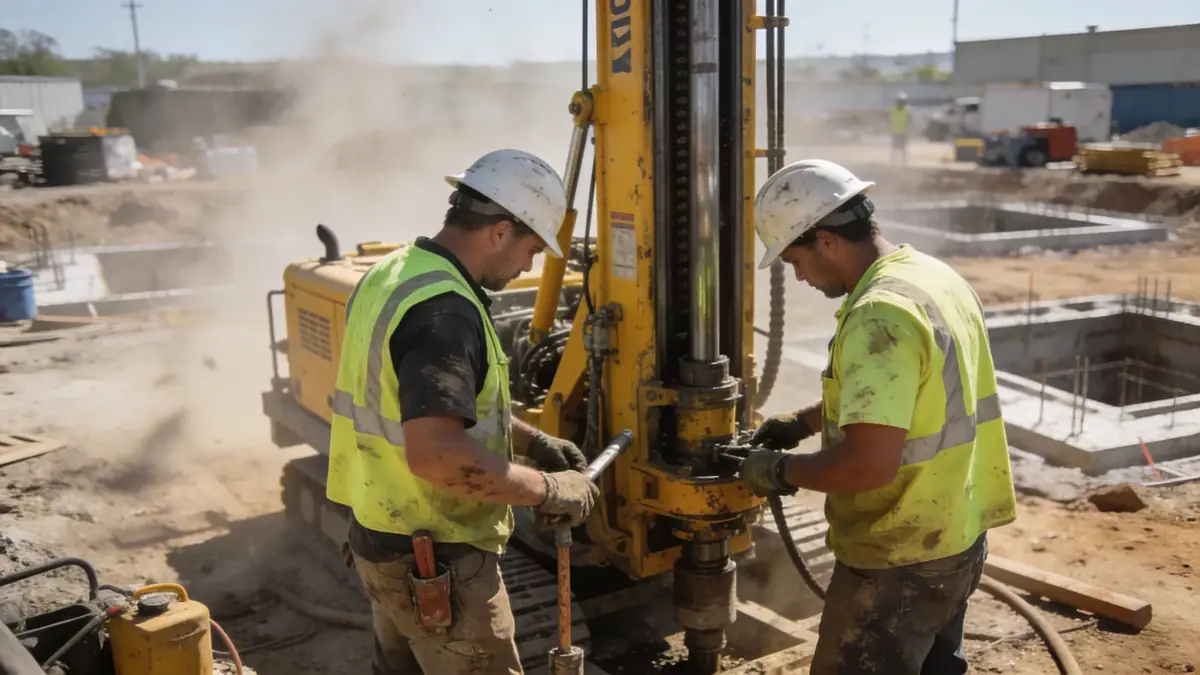
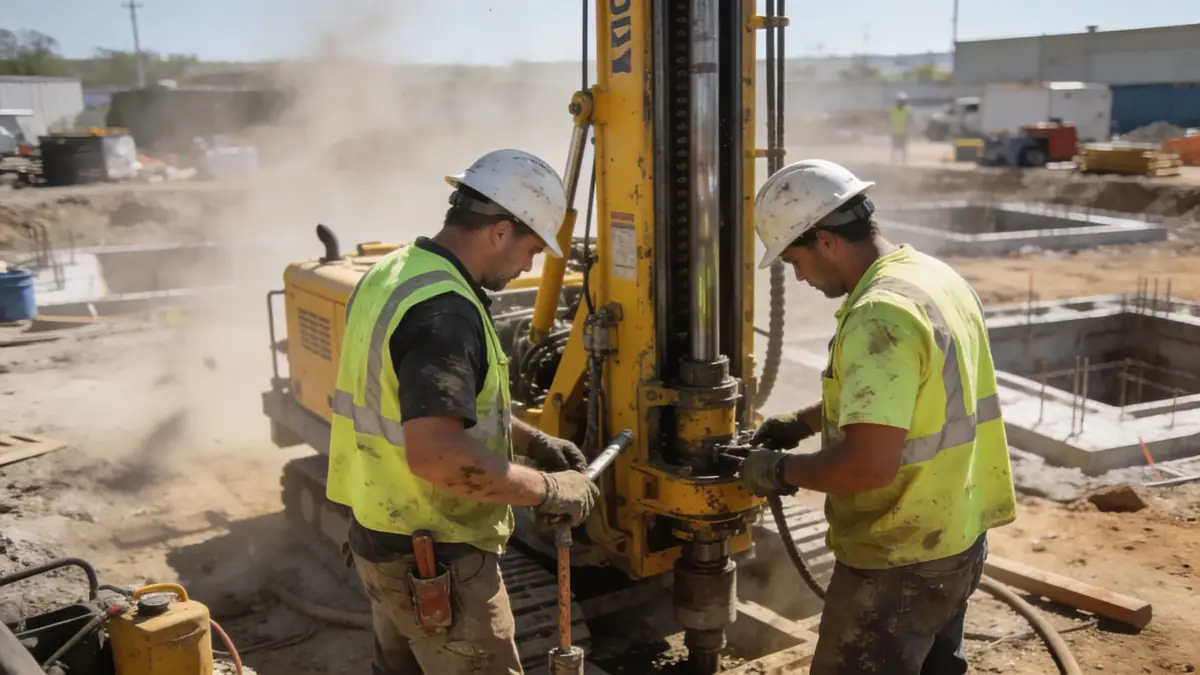
Our team follows a phased approach to geotechnical engineering in Portland Oregon, beginning with a review of existing geologic maps and seismic hazard data. We then conduct field investigations including spt boring to obtain soil samples and measure blow counts. Laboratory testing on retrieved samples—such as Atterberg limits and grain size analysis—is performed in our soil mechanics laboratory. Using these data, we develop site-specific soil profiles and engineering parameters. Analyses for bearing capacity, settlement, slope stability, and seismic response are carried out per applicable codes. All work is documented in a detailed geotechnical report tailored to the project.
Reference Technical Parameters
| Parameter | Reference Value |
|---|---|
| Predominant soil type | Silty sand and clay (Missoula Flood deposits) |
| Maximum seismic acceleration (PGA) | 0.30–0.45 g (MCE, Site Class D) |
| Typical groundwater level | 3–10 m below grade |
| Bedrock depth | 15–60 m (Columbia River Basalt Group) |
| Typical N60 range (SPT) | 5–25 blows/0.3 m |
Local Considerations — Portland Oregon
Portland's subsurface is dominated by Pleistocene Missoula Flood deposits: fine sands, silts, and clays with interbedded gravel lenses. These materials exhibit high compressibility and low shear strength, requiring deep foundations or ground improvement for heavy structures. The Cascadia subduction zone poses a megathrust earthquake threat (M9.0+), with peak ground accelerations up to 0.45g. Liquefaction is a major concern in low-lying areas near the Willamette and Columbia Rivers. Our team integrates these factors into every project, referencing the Oregon Structural Specialty Code and national standards. For projects requiring specialized seismic analysis, we coordinate with our geotechnical engineering en Seattle office.
Request a Quote
Our team reviews your project and issues an initial report at no cost.
Or write us directly at [email protected]
Services in Portland Oregon
Applicable Standards
- ASTM D1586
- ASCE 7-22
- Oregon Structural Specialty Code (OSSC)
- IBC 2021
Frequently Asked Questions
What are the predominant soil types in Portland Oregon?
The city is underlain by Missoula Flood deposits: alternating layers of silty sand, clay, and gravel. These soils are typically loose to medium dense, with variable cohesion. Deeper strata include the Columbia River Basalt Group, which provides competent bearing strata at depths of 15–60 m.
How does seismic design affect geotechnical engineering in Portland?
Portland lies in Seismic Design Category D per ASCE 7-22, with a design PGA of 0.30–0.45g. Geotechnical reports must address liquefaction, lateral spreading, and site amplification. Our analyses follow the OSSC and ASCE 7 provisions to ensure safe foundation design.
Are geotechnical investigations mandatory for construction in Portland?
Yes, for most commercial and multi-family projects. The Oregon Structural Specialty Code requires a geotechnical report to determine soil bearing capacity, seismic site class, and foundation recommendations. Single-family homes on stable sites may be exempt, but a geotechnical evaluation is strongly advised.