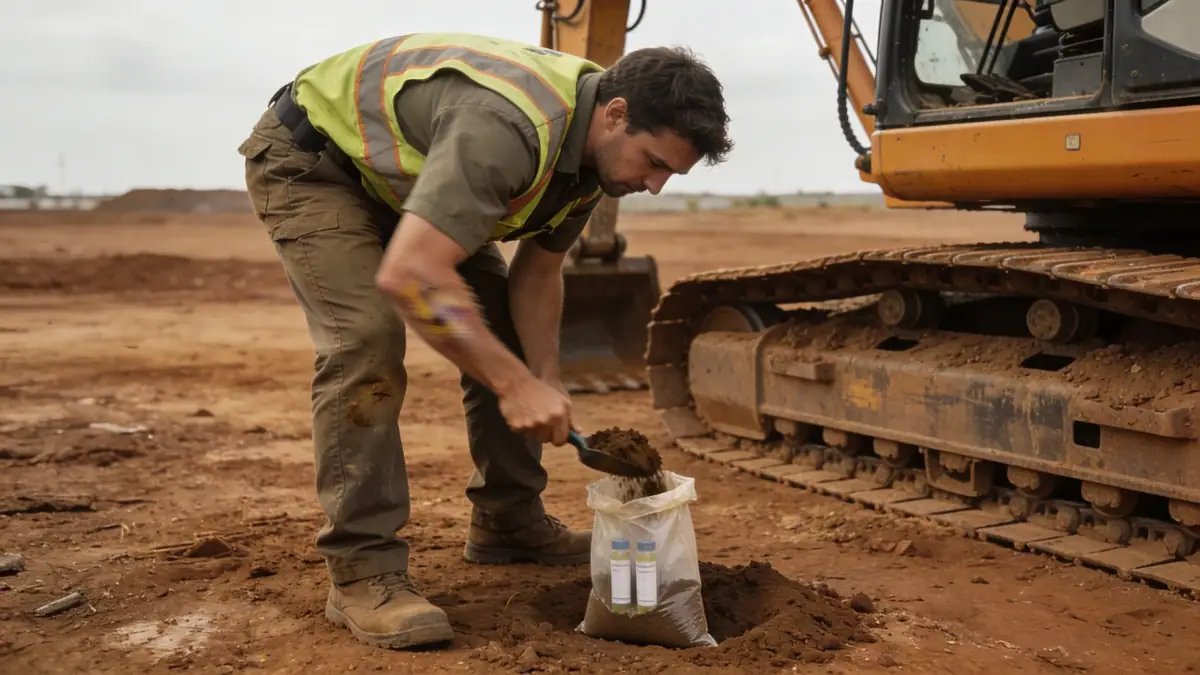
Methodology
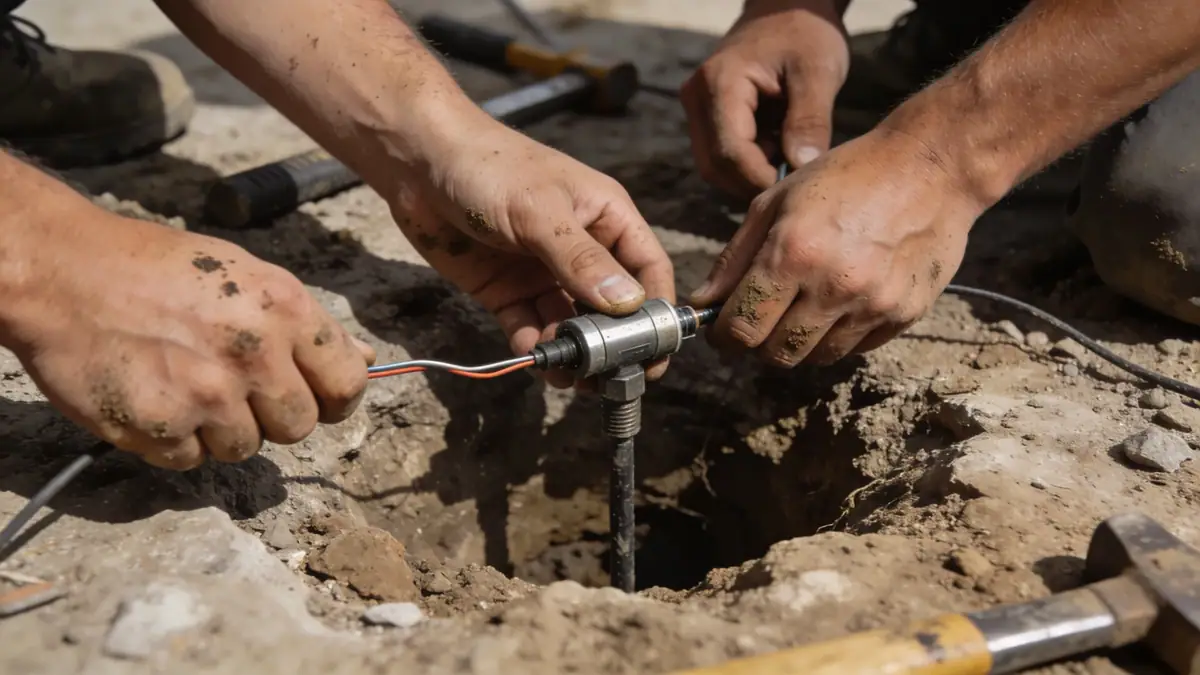
Our approach in Providence begins with a comprehensive review of existing geological maps and records, followed by targeted field investigations. We employ standard penetration testing (SPT) in accordance with ASTM D1586 to characterize soil strength and stratigraphy at typical depths of 8 to 15 meters for residential structures and up to 30 meters for larger commercial projects. Our team integrates spt boring data with laboratory analyses, including grain size distribution and Atterberg limits, to develop site-specific geotechnical models. This methodology ensures that foundation designs are both safe and cost-effective, accounting for the variable soil conditions encountered across the city.
Reference Technical Parameters
| Parameter | Reference Value |
|---|---|
| Predominant soil type | Glacial till, coastal fill, and alluvial deposits |
| Maximum seismic acceleration (PGA) | 0.2g to 0.3g (ASCE 7-16) |
| Typical groundwater level | 1.5 to 4.5 m below surface |
| Bedrock depth | Varies from 0 m (exposed) to >30 m (deep fill) |
| Typical N60 range | 4 to 30 blows/0.3 m |
Local Considerations — Providence
Providence’s geology is characterized by glacial till over bedrock in upland areas and soft marine clay, silt, and organic deposits in low-lying zones such as the Providence River corridor. The water table is typically shallow, within 1.5 to 3 meters, requiring dewatering or specialized foundation techniques. Seismic hazard is moderate, with spectral accelerations per ASCE 7-16 necessitating site-specific response analysis for critical structures. Our team has addressed differential settlement on fill, slope stability along the riverbanks, and deep foundation design for downtown high-rises. For projects requiring advanced testing, our soil mechanics laboratory provides index and strength parameters tailored to local conditions.
Request a Quote
Our team reviews your project and issues an initial report at no cost.
Or write us directly at [email protected]
Services in Providence
Applicable Standards
- ASTM D1586 (Standard Penetration Test)
- ASCE 7-16 (Minimum Design Loads for Buildings and Other Structures)
- RI Building Code (based on IBC 2018)
- ASTM D2487 (Classification of Soils for Engineering Purposes)
Frequently Asked Questions
What soil types are commonly encountered in Providence?
Providence features glacial till, outwash sands and gravels, and soft marine deposits. Fill materials are common along the waterfront, while the East Side and Federal Hill areas have dense till over bedrock. Understanding this variability is critical for foundation design.
Is seismic design required for projects in Providence?
Yes, Providence is in Seismic Design Category B to C per ASCE 7-16. Site-specific ground motion analysis may be required for essential facilities or sites with soft soils. Our firm evaluates spectral accelerations and liquefaction potential using standard procedures.
Are geotechnical studies mandatory for building permits in Providence?
While not always mandatory for small residential additions, most commercial and multi-family projects require a geotechnical report as part of the building permit application. The Rhode Island Building Code recommends subsurface investigations for all new structures.