Methodology
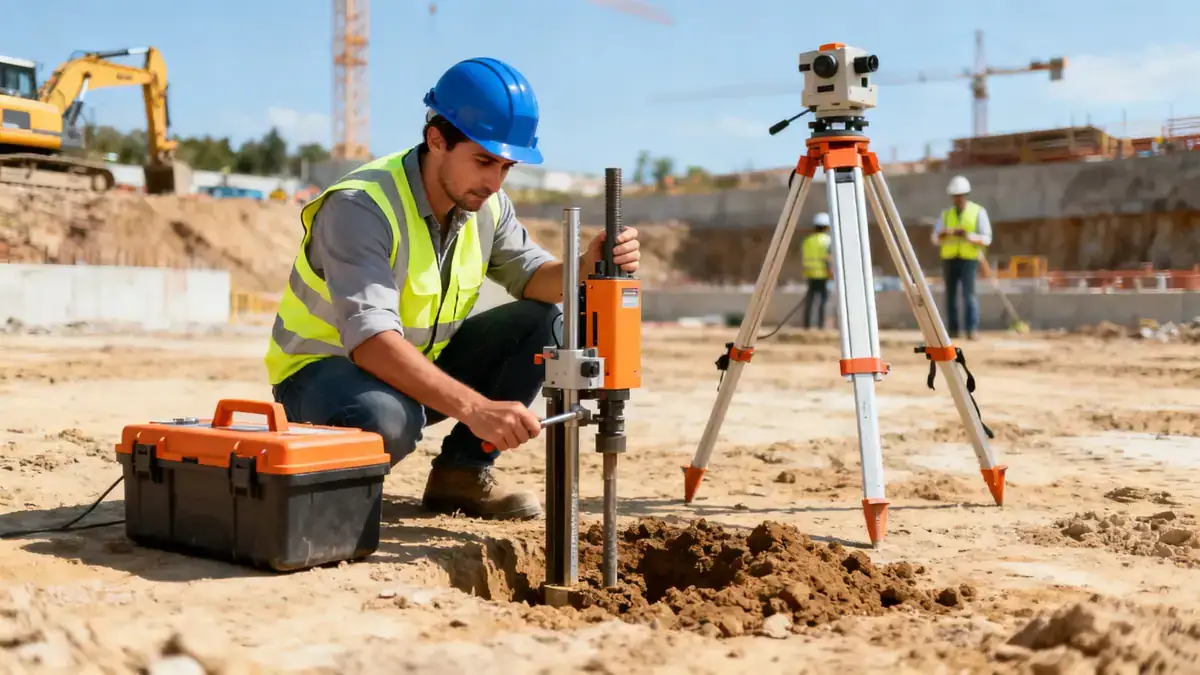
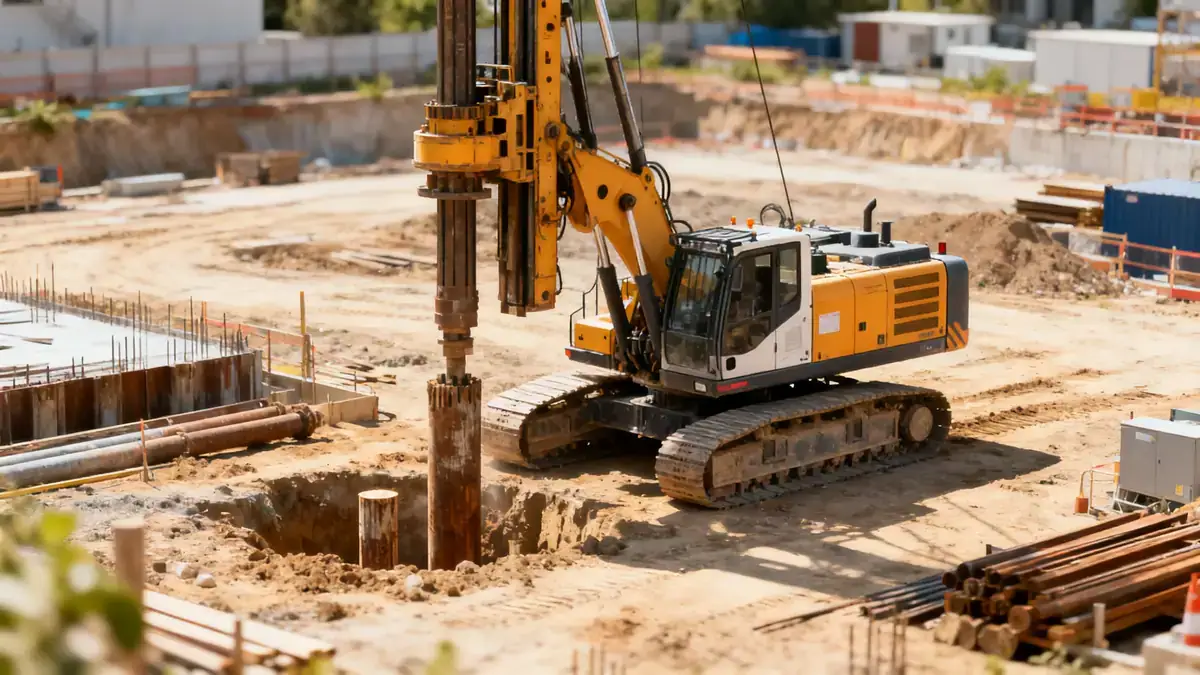
Our methodology in Raleigh begins with a thorough review of site geology and previous investigations. We employ standard penetration testing (SPT) as per ASTM D1586 to characterize soil strata and obtain N-values for bearing capacity analysis. In situ tests are complemented by laboratory testing on undisturbed samples, including Atterberg limits, grain size distribution, and direct shear tests. For seismic design, we evaluate site class per ASCE 7-16 and determine spectral accelerations. Our reports provide clear recommendations for foundations, slope stability, and earth retention. To learn more about our SPT services, visit spt boring.
Reference Technical Parameters
| Parameter | Reference Value |
|---|---|
| Predominant soil type | Residual silt, sand, and clay (Piedmont saprolite) |
| Maximum seismic acceleration (PGA) | 0.10–0.15 g (ASCE 7-16, Site Class C) |
| Typical groundwater level | 5–15 ft below grade, varies seasonally |
| Bedrock depth | 10–40 ft (gneiss/schist, weathered zone) |
| Typical N60 range (SPT) | 10–30 blows/ft in residual soils |
Local Considerations — Raleigh
Raleigh's geology is dominated by the Piedmont physiographic province, underlain by metamorphic and igneous rock. Residual soils derived from in-place weathering can vary significantly over short distances, with high plasticity clays prone to volume changes. Shallow groundwater is common after heavy rains, requiring dewatering for excavations. Seismic hazard is low to moderate, but site-specific response analysis is recommended for critical structures. For slope stability assessments, our team provides evaluations tailored to local cut-and-fill conditions. See our slope stability services for more details. Our hub office in Philadelphia offers additional support; learn about geotechnical engineering in Philadelphia.
Request a Quote
Our team reviews your project and issues an initial report at no cost.
Or write us directly at [email protected]
Services in Raleigh
Applicable Standards
- ASTM D1586 (Standard Penetration Test)
- ASCE 7-16 (Minimum Design Loads and Associated Criteria for Buildings and Other Structures)
- North Carolina Building Code (2018, based on IBC)
- ASTM D2487 (Classification of Soils for Engineering Purposes)
Frequently Asked Questions
What are the typical soil types encountered in Raleigh?
Raleigh's Piedmont region features residual soils derived from weathered metamorphic rocks, primarily silty sands (SM) and low-plasticity clays (CL) with occasional high-plasticity clays (CH). The depth to bedrock varies, with a weathered zone (saprolite) often present.
Is seismic analysis required for projects in Raleigh?
Yes, the North Carolina Building Code requires seismic design per ASCE 7-16. Raleigh falls in Seismic Design Category B or C, with PGA values around 0.10–0.15 g. Site-specific response analysis may be needed for critical structures or sites with soft soils.
Are geotechnical investigations mandatory for construction in Raleigh?
Geotechnical investigations are not universally mandated by the city but are typically required by lenders and structural engineers for foundation design. The building official may request a report for unusual soil conditions or large projects. Most responsible developers commission them to mitigate risk.