Methodology
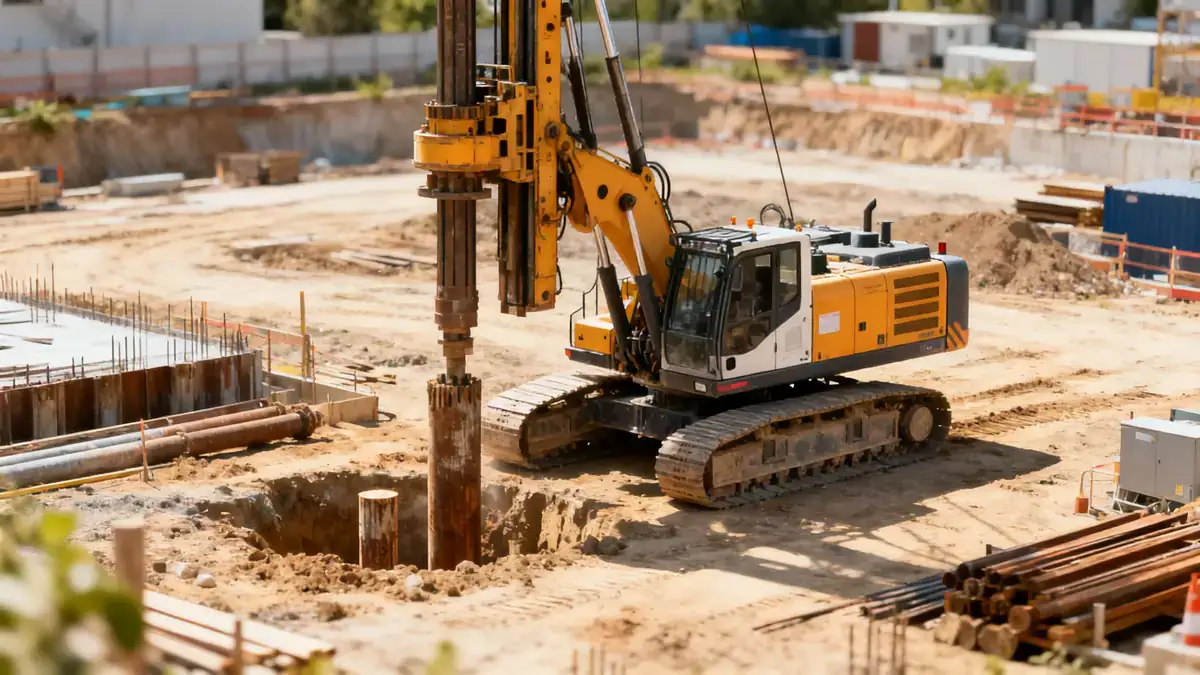
Our methodology in Rancho Cucamonga begins with a thorough review of existing geologic maps and seismic hazard data. We then conduct field investigations, including spt boring to characterize soil strata and measure penetration resistance. Laboratory testing on recovered samples provides parameters for settlement and bearing capacity analyses. Seismic site classification follows ASCE 7-22, with site-specific response spectra for critical structures. Our integrated approach ensures that all recommendations are grounded in site-specific data and comply with local codes.
Reference Technical Parameters
| Parameter | Reference Value |
|---|---|
| Predominant soil type | Alluvial sands and gravels with clayey silt layers |
| Maximum seismic acceleration (PGA) | 0.4g (ASCE 7-22, Site Class D) |
| Typical groundwater level | 10–25 m below ground surface |
| Bedrock depth | 30–50 m (weathered granitic bedrock) |
| Typical N60 range | 15–35 blows/0.3 m (SPT, ASTM D1586) |
Local Considerations — Rancho Cucamonga
Rancho Cucamonga's geology is dominated by Quaternary alluvial deposits from the San Gabriel Mountains, underlain by granitic bedrock. The area is seismically active due to the nearby San Jacinto and San Andreas faults, requiring site-specific seismic hazard analysis per ASCE 7-22. Groundwater is generally deep, but localized perched zones may occur near the foothills. Expansive clay lenses are common and necessitate mitigation measures. Our team has extensive experience with local conditions and coordinates with soil mechanics laboratory testing to refine design parameters. For projects requiring regional context, we collaborate with our geotechnical engineering en Los Angeles hub.
Request a Quote
Our team reviews your project and issues an initial report at no cost.
Or write us directly at [email protected]
Services in Rancho Cucamonga
Applicable Standards
- ASTM D1586
- ASCE 7-22
- California Building Code (CBC) 2022
- City of Rancho Cucamonga Municipal Code
Frequently Asked Questions
What are the typical soil conditions in Rancho Cucamonga?
Soils are primarily alluvial sands and gravels with variable clay content. Expansive clay zones are present in some areas, requiring special foundation design. Granitic bedrock is found at depths of 30–50 m, influencing deep foundation options.
How does seismic activity affect geotechnical design in Rancho Cucamonga?
The region is subject to strong ground motions from nearby faults. Per ASCE 7-22, Site Class D is typical, with a maximum PGA of 0.4g. Site-specific response spectra are recommended for critical structures to assess liquefaction and settlement risks.
Are geotechnical studies required for all construction projects in Rancho Cucamonga?
Yes, the City of Rancho Cucamonga requires geotechnical reports for most new buildings and additions, especially in areas with known geologic hazards. Early investigation helps identify constraints and avoid costly redesigns.