
Methodology
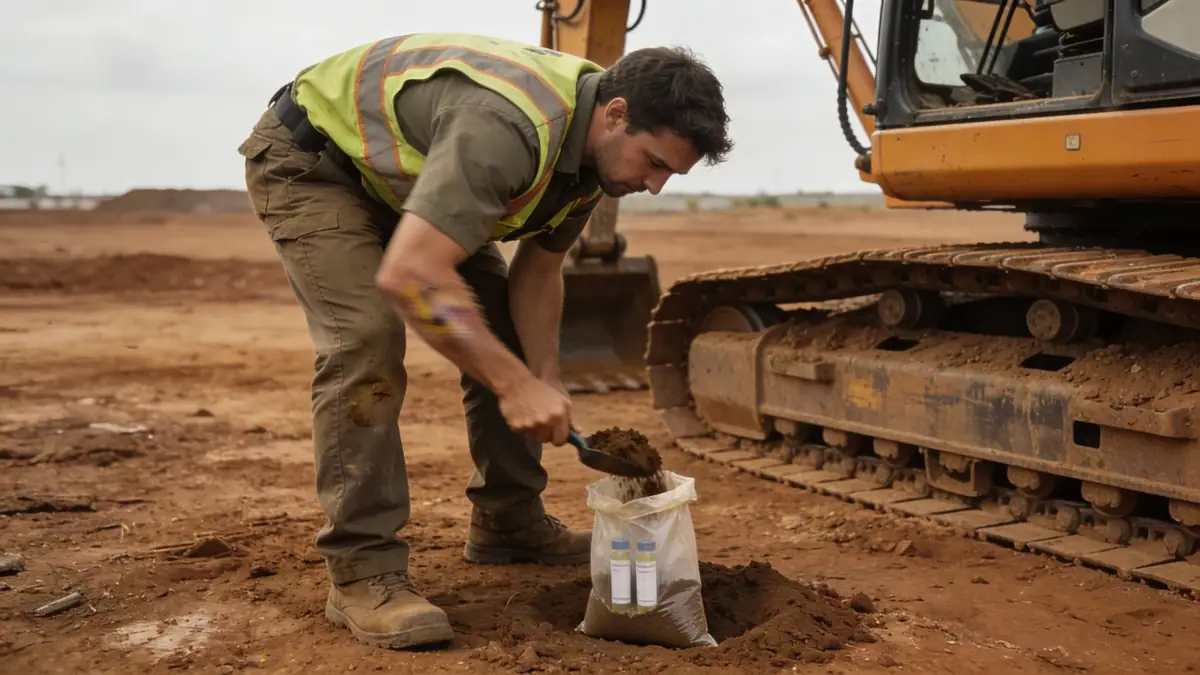
Our approach to geotechnical engineering in Reno begins with a thorough review of existing geologic maps and seismic hazard data. We then execute field investigation programs that include spt boring to obtain soil samples and measure N60 values, as well as test pits for shallow foundations. Laboratory testing follows ASTM standards—including ASTM D1586 for SPT and ASTM D2487 for soil classification—to determine engineering properties. Site-specific seismic response analyses incorporate ASCE 7 provisions. This methodology ensures that our recommendations address the unique subsurface conditions of Reno, from soft alluvial clays to dense glacial tills.
Reference Technical Parameters
| Parameter | Reference Value |
|---|---|
| Predominant soil type | Alluvial silty sands and gravels (SM, GM) |
| Maximum seismic acceleration (PGA) | 0.4g (IBC 2022, Site Class D) |
| Typical groundwater level | 3–15 m below ground surface |
| Bedrock depth | 30–60 m (Mesozoic granitic rocks) |
| Typical N60 range | 10–30 blows/0.3 m (cohesionless soils) |
Local Considerations — Reno
Reno's alluvial soils exhibit variable density and grain size, often requiring deep foundations near the Truckee River. The region's seismic hazard, dominated by the Walker Lane fault, necessitates site-specific response spectra per ASCE 7. Expansive clays are present in some areas, demanding careful moisture control. Our team integrates these factors into every project, leveraging our experience from soil mechanics laboratory testing to characterize swelling and collapse potential. For projects requiring slope stability or retaining wall design, we reference local case histories and the uniform building code. Our hub in geotechnical engineering en Los Angeles provides regional support for complex assignments in Reno.
Request a Quote
Our team reviews your project and issues an initial report at no cost.
Or write us directly at [email protected]
Services in Reno
Applicable Standards
- ASTM D1586 (Standard Test Method for Standard Penetration Test)
- ASCE 7-22 (Minimum Design Loads and Associated Criteria for Buildings)
- IBC 2022 (International Building Code)
Frequently Asked Questions
What soil types are commonly found in Reno?
Reno's soils are predominantly alluvial silty sands and gravels (SM, GM) from the Truckee River deposits. Colluvial soils and lacustrine clays exist in some areas, requiring careful evaluation for expansive or liquefaction potential during seismic events.
How does seismic design apply to geotechnical engineering in Reno?
Reno is in Seismic Design Category D per IBC 2022, with a PGA of 0.4g. Geotechnical reports must include site-specific seismic hazard analyses, liquefaction assessments, and recommendations for foundation systems that comply with ASCE 7 and local building codes.
Are geotechnical studies mandatory for construction in Reno?
Yes, for most commercial and multi-family projects. The City of Reno and Washoe County require geotechnical investigations per IBC Chapter 18. Single-family homes may be exempt, but a report is strongly advised to address variable soil conditions and seismic risks.