Methodology
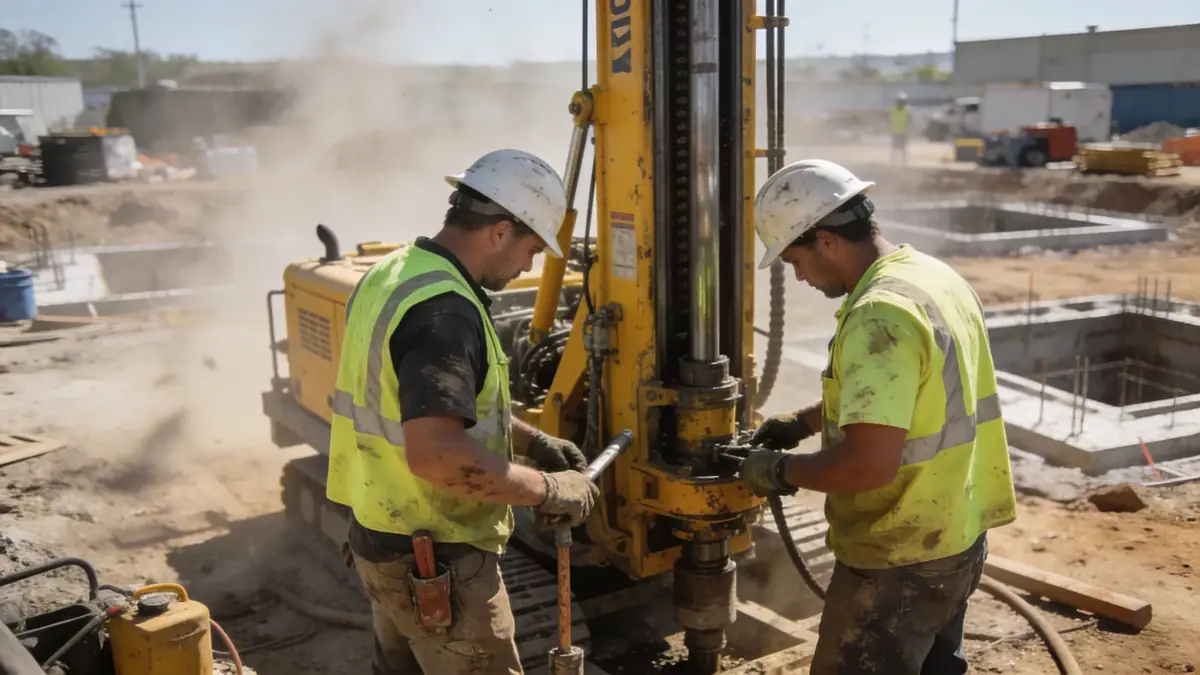
Our geotechnical engineering methodology in Riverside begins with a comprehensive site reconnaissance and review of existing geologic maps. We then conduct a subsurface investigation program tailored to the project's scale, typically involving soil borings with standard penetration testing (SPT) per ASTM D1586, supplemented by cone penetration testing (CPT) where appropriate. For detailed soil characterization, we perform spt boring at intervals of 1.0 to 1.5 meters, recovering disturbed and undisturbed samples for laboratory analysis. Our approach integrates field data with local seismic hazard assessments to develop site-specific design parameters, including bearing capacity, settlement estimates, and lateral earth pressures for retaining structures.
Reference Technical Parameters
| Parameter | Reference Value |
|---|---|
| Predominant soil type | Silty sand (SM) and clayey sand (SC) |
| Maximum seismic acceleration (PGA) | 0.4g to 0.6g (Site Class D, per ASCE 7-22) |
| Typical groundwater level | 6 to 15 meters below ground surface |
| Bedrock depth | Variable, typically >30 m (older alluvium) |
| Typical N60 range (SPT) | 10 to 40 blows per foot (0.3 m) |
Local Considerations — Riverside
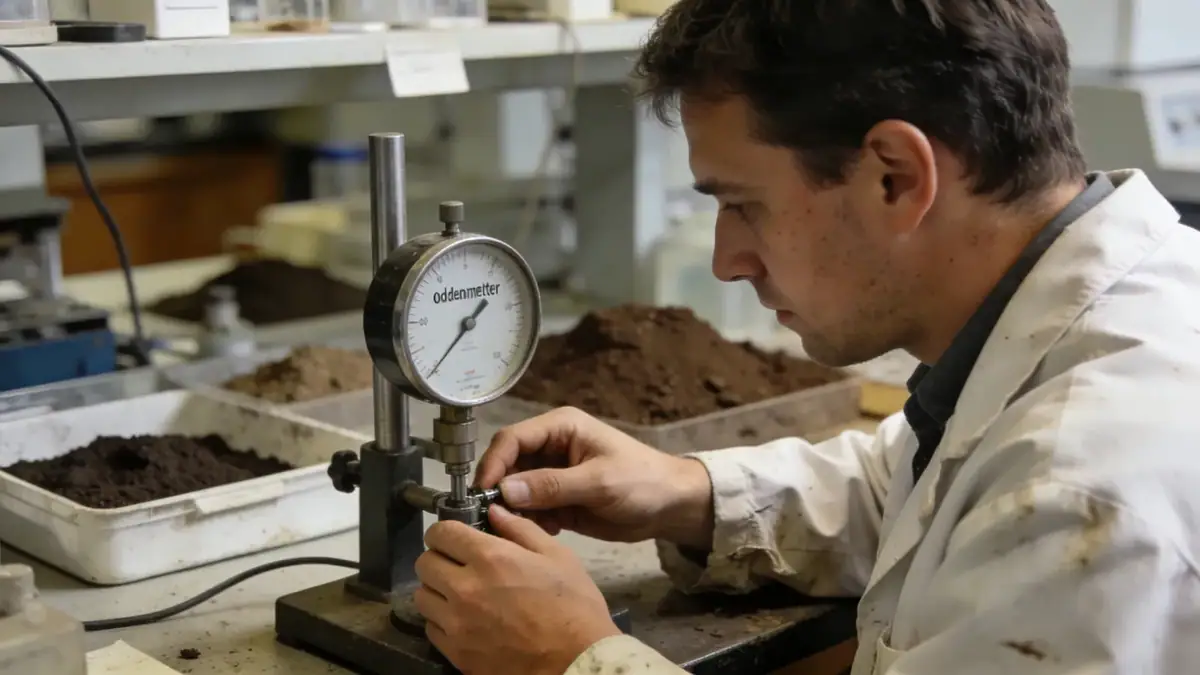
Riverside's geology presents unique challenges for geotechnical engineering. The region is underlain by young alluvial deposits from the Santa Ana River, which are prone to liquefaction during seismic events. Expansive clay layers, often derived from decomposed granitic rocks, require careful evaluation of volume change potential. The city's proximity to the San Jacinto and San Andreas fault zones necessitates rigorous seismic site response analyses per ASCE 7-22. Our team has addressed these conditions in numerous projects, from residential developments in the Arlington Heights area to commercial structures near downtown. For deeper investigations, we recommend soil mechanics laboratory testing to assess expansive soil behavior and consolidation characteristics. Our local expertise ensures compliance with Riverside County grading ordinances and the California Geological Survey's seismic hazard mapping.
Request a Quote
Our team reviews your project and issues an initial report at no cost.
Or write us directly at [email protected]
Services in Riverside
Applicable Standards
- ASTM D1586 (Standard Penetration Test)
- ASCE 7-22 (Minimum Design Loads and Associated Criteria for Buildings and Other Structures)
- California Building Code (CBC) 2022
- California Geological Survey Seismic Hazard Mapping
Frequently Asked Questions
What are the most common soil types encountered in Riverside geotechnical projects?
The predominant soil types are silty sands (SM) and clayey sands (SC) from Quaternary alluvium. Older terrace deposits contain gravelly sands and occasional cobbles. Expansive clay layers are also common, requiring specialized laboratory testing for swelling potential.
How does seismic activity in Riverside affect geotechnical design?
Riverside lies within Seismic Zone 4, with peak ground accelerations up to 0.6g. Site-specific seismic hazard analyses per ASCE 7-22 are required, including evaluation of liquefaction, lateral spreading, and fault rupture. Soil classification (Site Class D) typically governs dynamic foundation design.
Is a geotechnical investigation mandatory for construction in Riverside?
Yes, the California Building Code requires a geotechnical report for most new structures, including residential, commercial, and public projects. Local jurisdictions may also enforce additional studies for hillside developments or areas with known seismic hazards.