Methodology
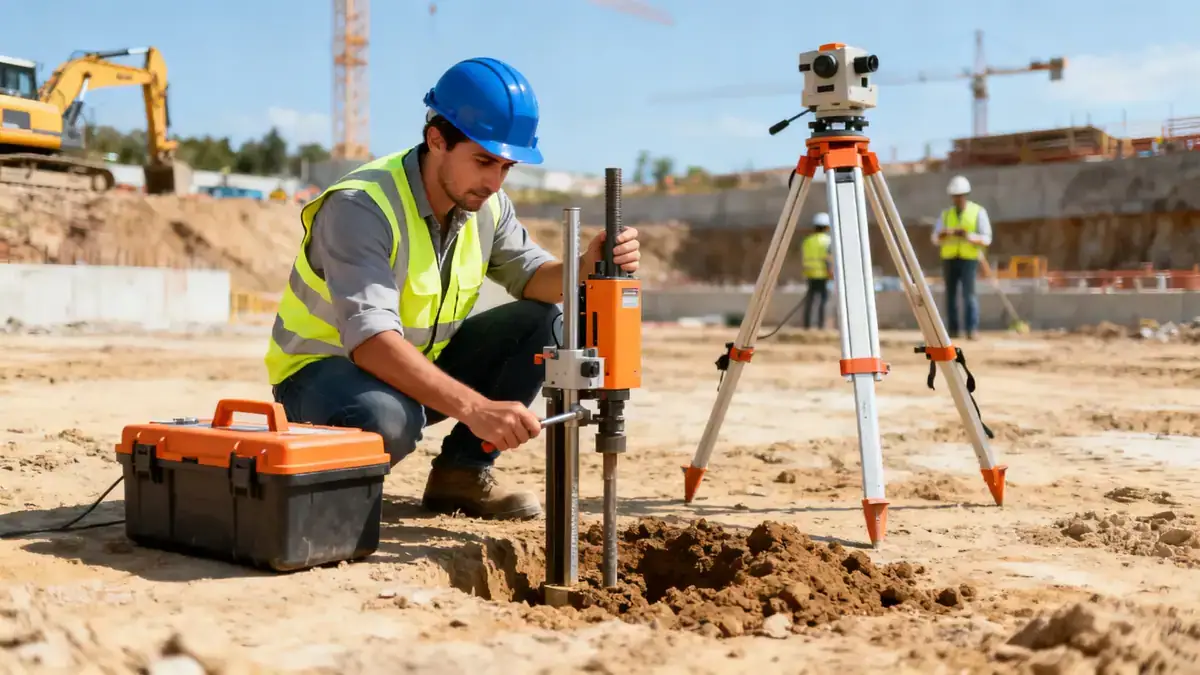
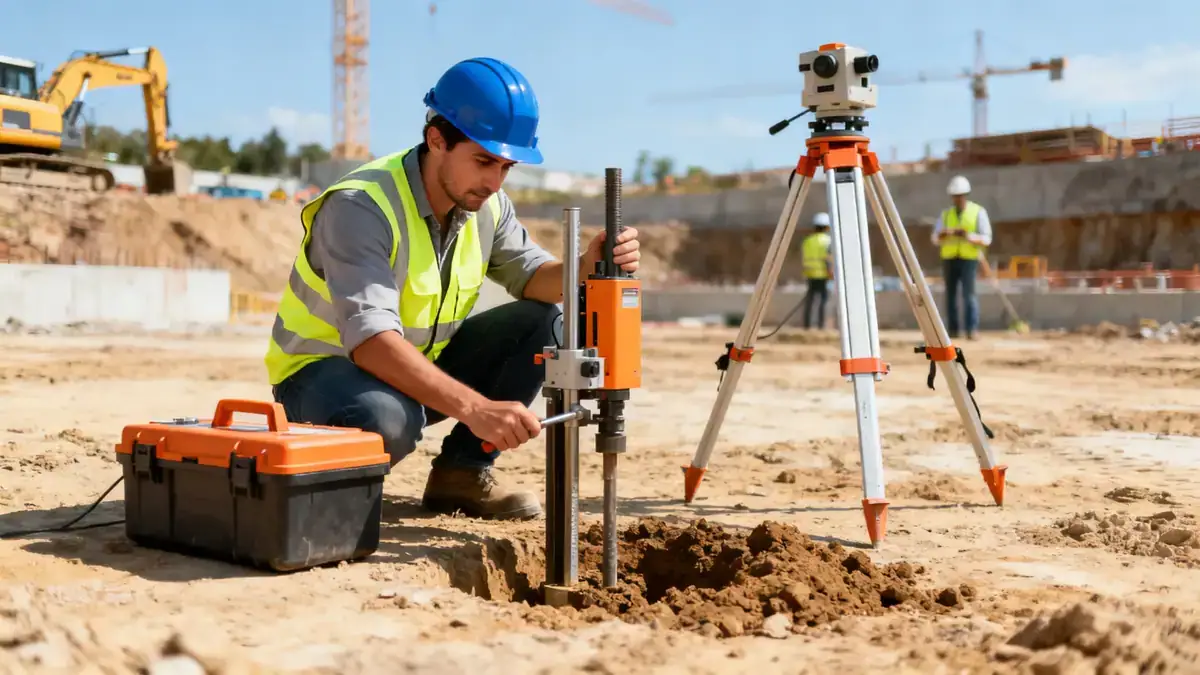
Our approach to geotechnical engineering in Rochester begins with a thorough review of existing geological maps and historical boring logs. We then design a site-specific exploration program, typically involving spt boring to obtain disturbed and undisturbed samples. The number and depth of borings are determined based on project scale and local variability, following ASTM D1586. In the laboratory, we classify soils, measure strength parameters, and assess consolidation characteristics. This data informs our analysis for shallow and deep foundations, slope stability, and earth retention. Our integrated methodology ensures reliable recommendations for every Rochester project.
Reference Technical Parameters
| Parameter | Reference Value |
|---|---|
| Predominant soil type | Glacial till (silty sand and gravel) with lacustrine clay lenses |
| Maximum seismic acceleration (PGA) | 0.15–0.25 g (ASCE 7-16, Site Class C/D) |
| Typical groundwater level | 2–6 m below ground surface |
| Bedrock depth | 3–15 m (shallow in river valleys, deeper on uplands) |
| Typical N60 range (SPT) | 10–40 blows/ft (glacial till); 4–15 blows/ft (clay) |
Local Considerations — Rochester
Rochester lies within the Great Lakes Lowlands, characterized by glacial deposits over Devonian bedrock. The city’s topography includes the Genesee River valley, where alluvial soils and high groundwater demand careful dewatering and foundation design. Upland areas feature dense glacial till with occasional boulders, complicating excavation. Seismic hazard is moderate, with peak ground accelerations of 0.15–0.25 g. Our team has extensive experience with these conditions, from deep foundations in the river corridor to slab-on-grade in suburban subdivisions. For a broader perspective, our work is coordinated with our geotechnical engineering en Philadelphia office, which handles regional projects.
Request a Quote
Our team reviews your project and issues an initial report at no cost.
Or write us directly at [email protected]
Services in Rochester
Applicable Standards
- ASTM D1586 – Standard Penetration Test
- ASCE 7-16 – Minimum Design Loads and Associated Criteria
- New York State Building Code (IBC 2018 based)
- ASTM D2487 – Classification of Soils for Engineering Purposes
- ASTM D3080 – Direct Shear Test
Frequently Asked Questions
What types of soil are commonly found in Rochester?
Rochester’s subsurface is dominated by glacial till—a dense mixture of sand, silt, gravel, and clay. Lacustrine clay deposits are also present in former glacial lakebeds, particularly near the Genesee River. These soils exhibit variable strength and compressibility, requiring site-specific testing.
Is seismic design required for structures in Rochester?
Yes, the New York State Building Code mandates seismic design per ASCE 7-16. Rochester falls into Seismic Design Category B or C, with PGA values of 0.15–0.25 g. Soil amplification factors must be considered, especially on soft clay sites.
Are geotechnical investigations mandatory for construction in Rochester?
While not universally required for all projects, most municipalities in Monroe County recommend or require a geotechnical report for new foundations, additions, or retaining walls. Lenders and insurers often mandate subsurface exploration for risk assessment.