Methodology
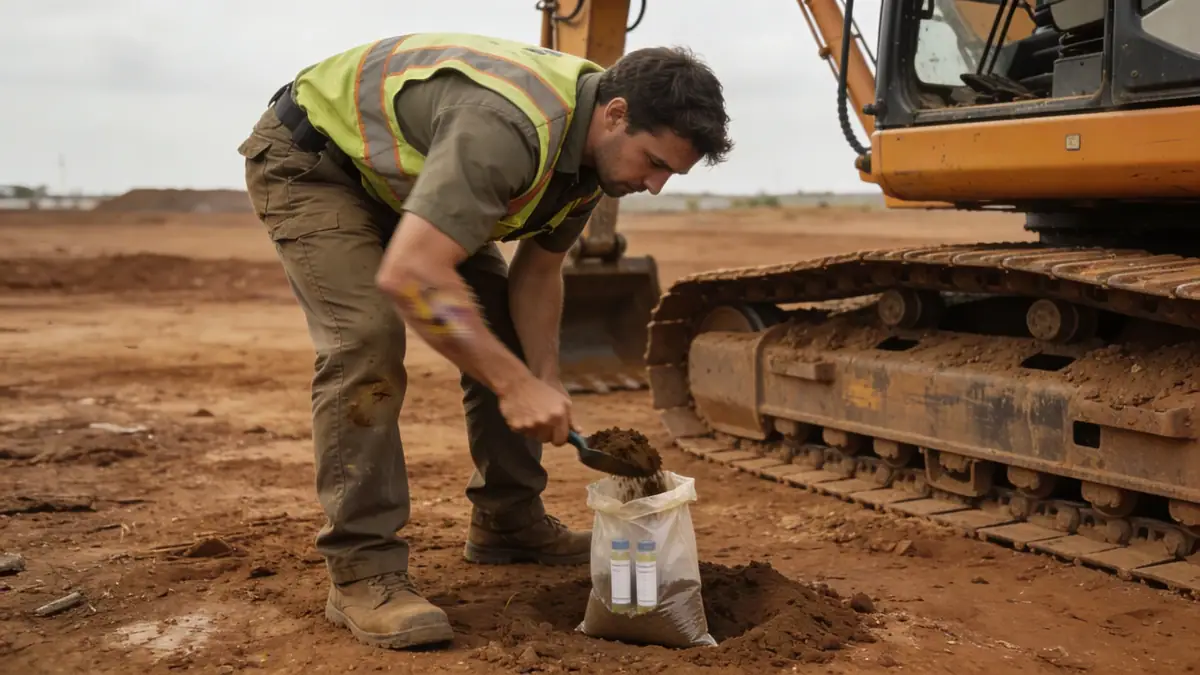
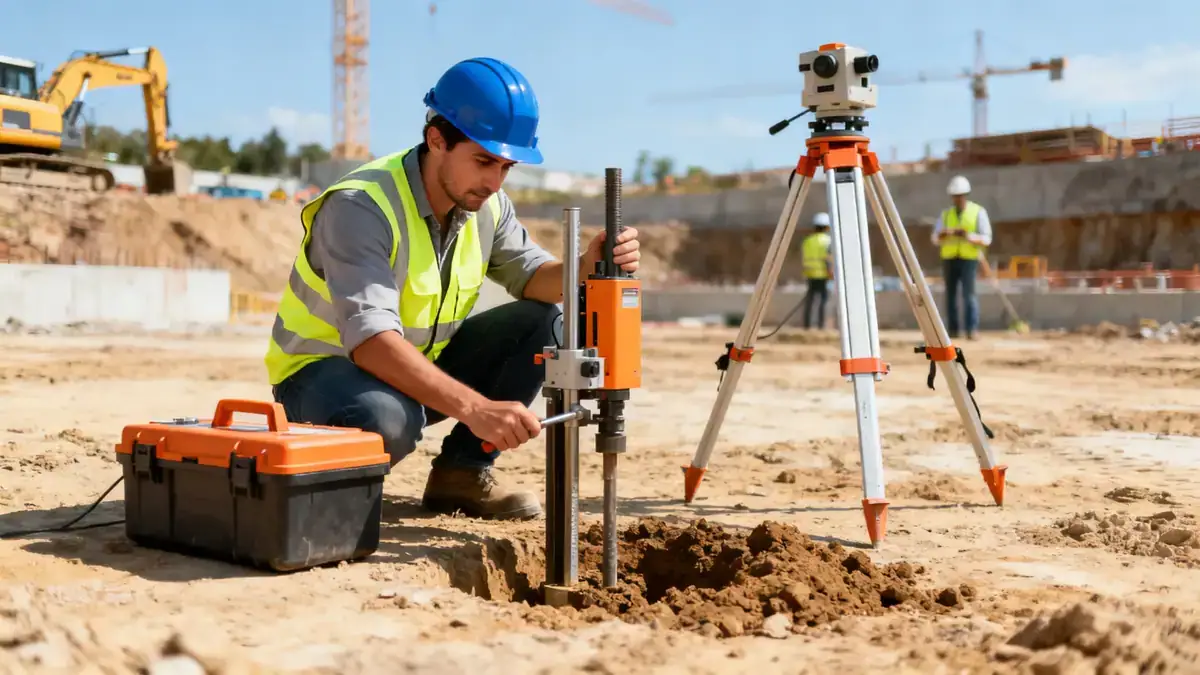
Our methodology for geotechnical engineering in Roseville California integrates field exploration, laboratory testing, and analytical modeling. We perform standard penetration testing (SPT) per ASTM D1586 at intervals of 1.0 to 1.5 meters, reaching depths of 8 to 15 meters for typical residential projects and up to 30 meters for larger structures. Soil samples are retrieved for classification, strength, and consolidation testing in our soil mechanics laboratory. In seismic areas like Roseville, we evaluate liquefaction potential using cyclic stress ratios and corrected blow counts (N1,60). Our approach ensures that foundation designs account for local soil variability and seismic demands, providing clients with actionable data for safe construction.
Reference Technical Parameters
| Parameter | Reference Value |
|---|---|
| Predominant soil type | Silty sands (SM) and clayey sands (SC) with gravel layers |
| Maximum seismic acceleration (PGA) | 0.3g to 0.4g (ASCE 7 Seismic Zone 4) |
| Typical groundwater level | 10 to 30 ft below ground surface |
| Bedrock depth | Greater than 100 ft (deep alluvial basin) |
| Typical N60 range (SPT) | 10 to 30 blows/ft for shallow sands; 30 to 50+ for deeper dense layers |
Local Considerations — Roseville California
Roseville sits on the eastern edge of the Sacramento Valley, underlain by deep alluvial deposits of the American River. These soils are typically silty sands and clayey sands with interbedded gravels, exhibiting moderate to high compressibility. Groundwater levels fluctuate with seasonal precipitation and river stage, often encountered at 10–30 ft. Seismic design must consider near-field effects from the Sierra Nevada fault system and the Foothills fault zone, with PGA values reaching 0.4g. Liquefaction potential is moderate in saturated loose sands, requiring site-specific evaluation per ASCE 7. Our geotechnical engineering in Roseville California addresses these factors through targeted spt boring programs and advanced laboratory testing. For projects requiring regional context, we coordinate with our team providing geotechnical engineering en Los Angeles to ensure consistent quality across California.
Request a Quote
Our team reviews your project and issues an initial report at no cost.
Or write us directly at [email protected]
Services in Roseville California
Applicable Standards
- ASTM D1586 (Standard Penetration Test)
- ASCE 7 (Minimum Design Loads and Associated Criteria for Buildings and Other Structures)
- California Building Code (CBC) 2022
- ASTM D2487 (Classification of Soils for Engineering Purposes)
Frequently Asked Questions
What soil types are commonly found in Roseville, California?
Roseville's shallow soils are predominantly silty sands (SM) and clayey sands (SC) with occasional gravel lenses, derived from alluvial deposits of the American River. Below 30 feet, denser sands and gravels are common. These soils can be prone to liquefaction in saturated, loose conditions during seismic events.
What seismic design criteria apply to Roseville?
Per the California Building Code and ASCE 7, Roseville is in Seismic Design Category D or E, with a mapped peak ground acceleration (PGA) of 0.3g to 0.4g. Site-specific response spectra and liquefaction analysis are often required for critical structures.
Are geotechnical studies mandatory for construction in Roseville?
Yes, most building permits require a geotechnical investigation per CBC Chapter 18. For residential projects, a minimum of two borings to 15 ft depth is typical. Commercial and multi-story structures necessitate more extensive exploration and analysis.