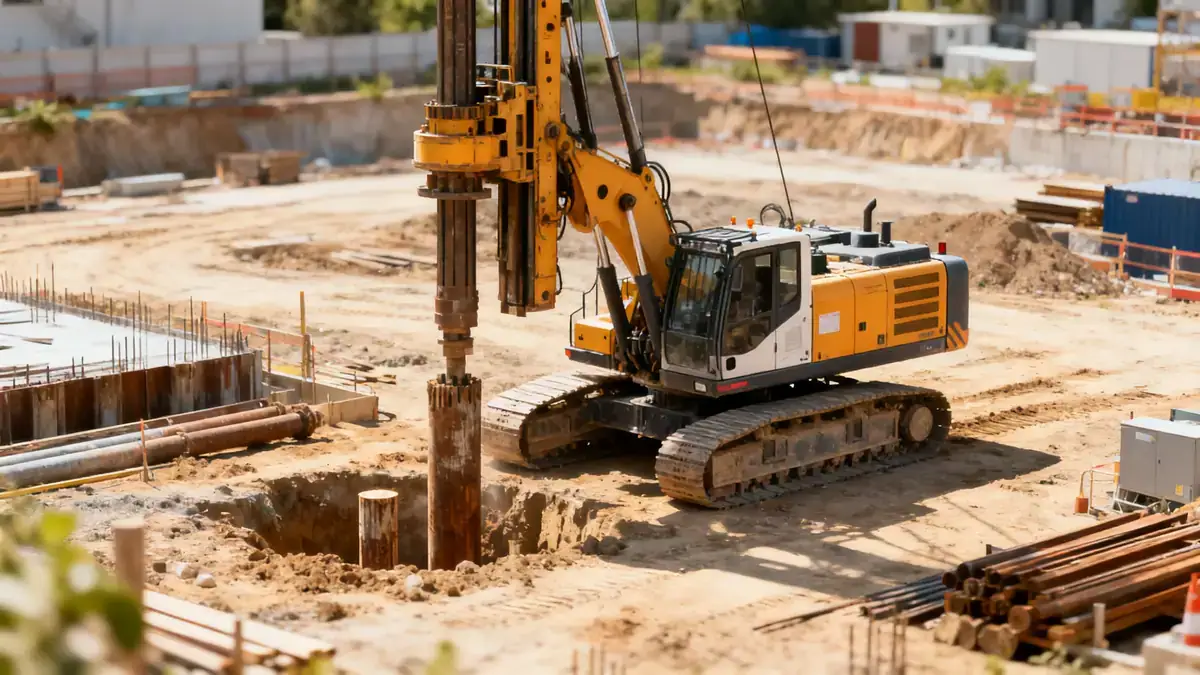
Methodology
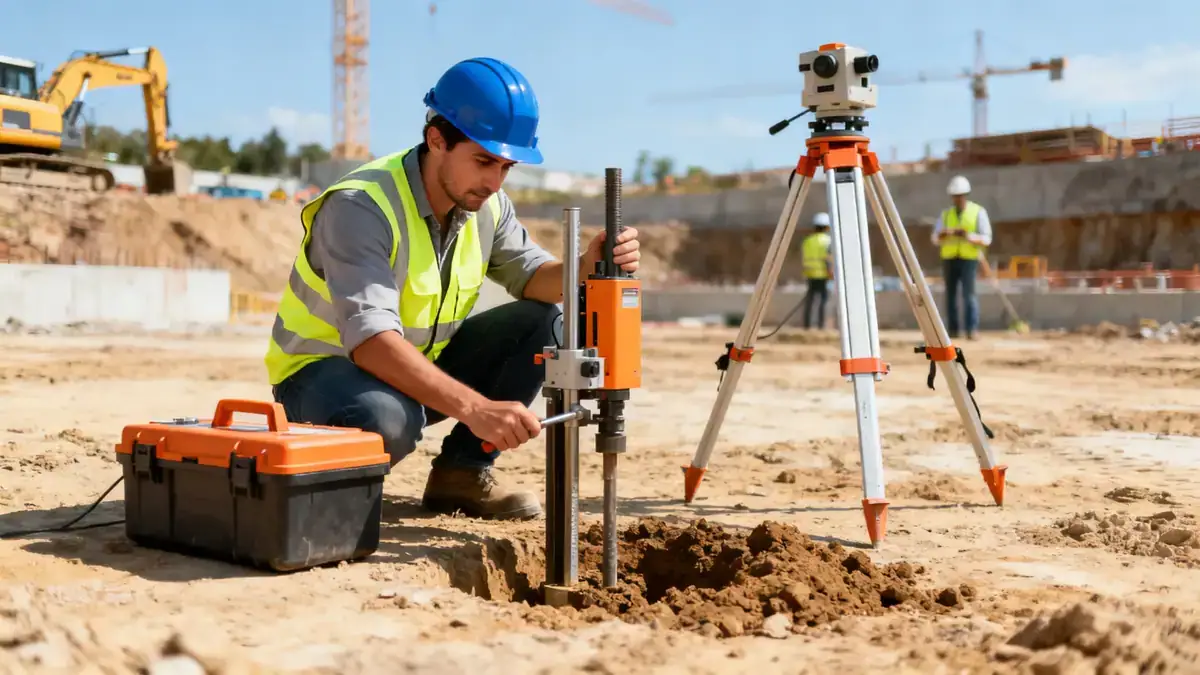
Our approach to geotechnical engineering in Sacramento integrates field exploration, laboratory testing, and analytical modeling. We perform standard penetration tests following ASTM D1586 to characterize subsurface conditions, with sampling intervals typically every 1.0 to 1.5 meters. Data from these spt boring investigations inform foundation design, slope stability, and seismic assessments. Laboratory tests on recovered samples determine index properties and strength parameters. Our methodology aligns with local regulatory requirements and industry best practices, providing reliable recommendations for Sacramento's diverse soil profiles.
Reference Technical Parameters
| Parameter | Reference Value |
|---|---|
| Predominant soil type | Alluvial silty sands and clays |
| Maximum seismic acceleration (PGA) | 0.3g to 0.4g (ASCE 7-16) |
| Typical groundwater level | 3–8 m below grade |
| Bedrock depth | 30–60 m |
| Typical N60 range | 10–30 blows/ft |
Local Considerations — Sacramento
Sacramento's geology consists of deep alluvial deposits from the American and Sacramento rivers, with interbedded sands, silts, and clays. The water table is shallow in many areas (3–8 m), requiring dewatering considerations. Seismic hazards are moderate to high due to nearby faults; site-specific response spectra per ASCE 7 are critical. Older downtown areas may have undocumented fill or buried foundations, while newer subdivisions often feature compressible clays. Typical projects include levees, bridges, and residential subdivisions. For detailed characterization, our soil mechanics laboratory supports local analysis. Our team also coordinates with our main office for geotechnical engineering en Los Angeles on complex projects.
Request a Quote
Our team reviews your project and issues an initial report at no cost.
Or write us directly at [email protected]
Services in Sacramento
Applicable Standards
- ASTM D1586
- ASCE 7-16
- California Building Code (CBC)
- Eurocode 7 (reference)
Frequently Asked Questions
What are the typical soil conditions in Sacramento for foundation design?
Sacramento's soils are predominantly alluvial silty sands and clays, with variable density and compressibility. Groundwater is often shallow (3–8 m), and expansive clays may be present. Foundation design must consider settlement potential and seismic site class per ASCE 7.
Is seismic analysis required for geotechnical projects in Sacramento?
Yes, due to moderate to high seismicity from the Foothills Fault System and other regional sources. The California Building Code mandates site-specific seismic hazard analysis for most structures, including determination of peak ground acceleration and response spectra.
Are geotechnical studies mandatory for construction in Sacramento?
Typically, yes. Local building departments require geotechnical reports for new construction, additions, and significant renovations. These studies assess soil bearing capacity, settlement, seismic hazards, and groundwater conditions to ensure safe design.