Methodology
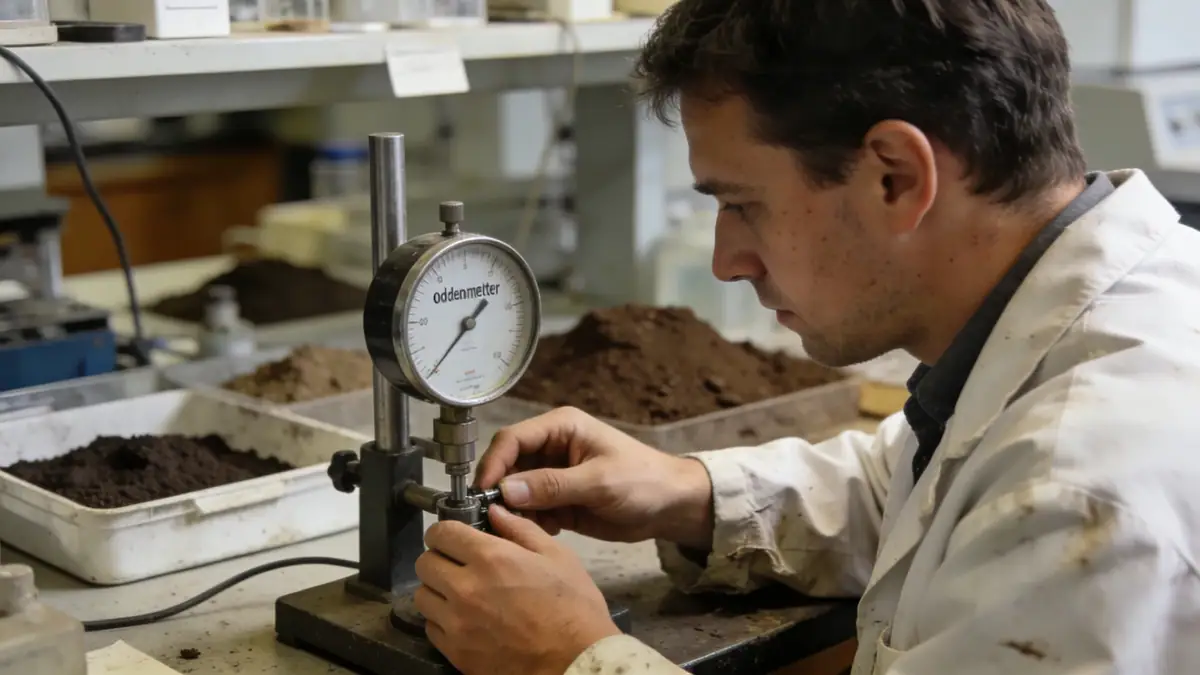
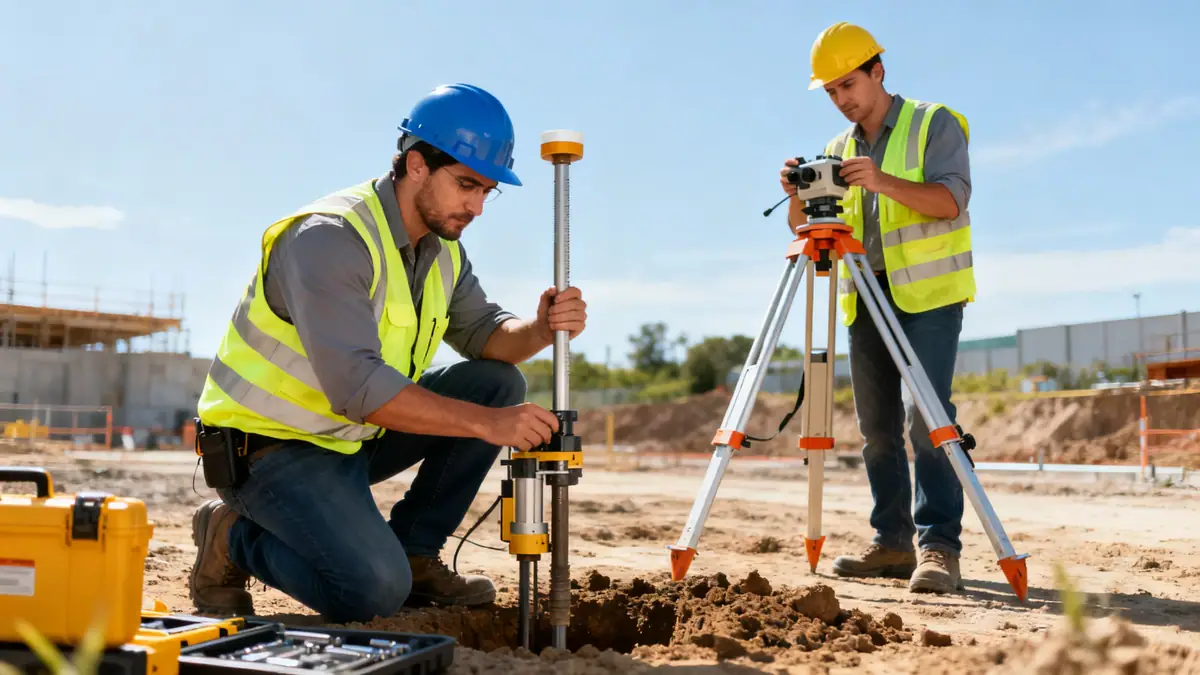
Our approach to geotechnical engineering in Salt Lake City integrates field exploration, laboratory testing, and site-specific analysis. We conduct spt boring using ASTM D1586 methods to obtain soil samples and measure N-values, typically advancing borings to depths of 10–20 m for mid-rise structures. Groundwater monitoring wells are installed to assess seasonal fluctuations. Laboratory programs include classification, strength, and consolidation tests on representative samples. We then develop earthwork specifications, foundation recommendations, and seismic site classifications per the IBC and ASCE 7. All findings are synthesized into clear, actionable reports for design teams.
Reference Technical Parameters
| Parameter | Reference Value |
|---|---|
| Predominant soil type | Alluvial clays, silts, sands, and gravels |
| Maximum seismic acceleration (PGA) | 0.4 g (MCE, Site Class D) |
| Typical groundwater level | 3–10 m below ground surface |
| Bedrock depth | >100 m in valley center |
| Typical N60 range | 5–50 blows/0.3 m |
Local Considerations — Salt Lake City
Salt Lake City's geological setting presents unique challenges. The valley fill deposits vary laterally, with soft clays near the lakebed and coarser materials along alluvial fans. Liquefaction potential is moderate in saturated sandy zones. Seismic site classification per ASCE 7 typically results in Site Class D or E, requiring detailed response analysis for critical structures. Expansive clays are prevalent in some areas, necessitating specialized foundation designs. Our team has extensive knowledge of local conditions, from downtown high-rises to suburban developments. For regional context, see our geotechnical engineering services in Denver, a neighboring hub with similar basin geology.
Request a Quote
Our team reviews your project and issues an initial report at no cost.
Or write us directly at [email protected]
Services in Salt Lake City
Applicable Standards
- ASTM D1586 (Standard Penetration Test)
- ASCE 7 (Minimum Design Loads and Associated Criteria for Buildings and Other Structures)
- IBC (International Building Code)
- ASTM D2487 (Unified Soil Classification System)
- ASTM D2435 (One-Dimensional Consolidation Properties)
Frequently Asked Questions
What are the typical soil conditions in Salt Lake City?
Soils consist primarily of alluvial clays, silts, sands, and gravels deposited by ancient Lake Bonneville. Groundwater is typically encountered between 3 and 10 m depth. N-values vary widely from 5 to 50 blows/0.3 m, reflecting interbedded loose and dense layers.
Is a geotechnical study required for construction in Salt Lake City?
Yes, the IBC and local amendments mandate geotechnical investigations for most structures. Studies must address seismic site classification, liquefaction potential, and foundation bearing capacity. Our reports satisfy all regulatory requirements and support permit approval.
How does seismic hazard affect foundation design in Salt Lake City?
Salt Lake City lies in a high seismic zone with PGA up to 0.4g. Site Class D or E soils amplify ground motions. Our analyses follow ASCE 7 to determine seismic design categories and recommend mitigation measures such as deep foundations or ground improvement.