Methodology

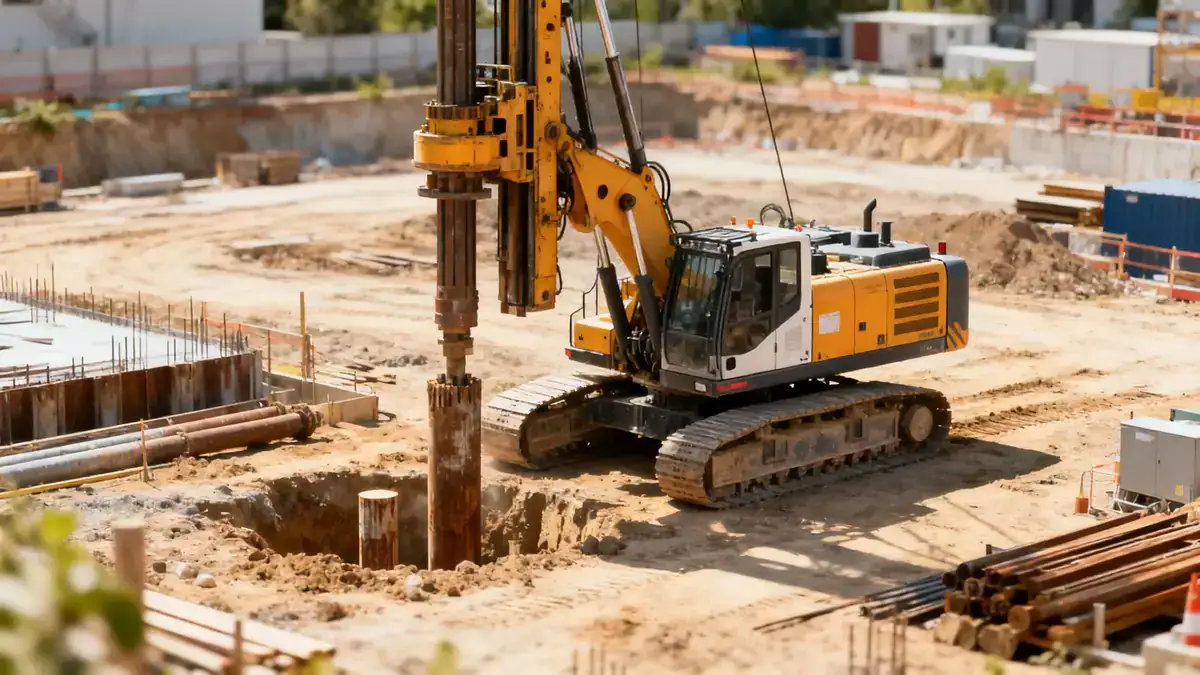
Our methodology for geotechnical engineering in San Antonio integrates site-specific investigations with advanced laboratory testing. We begin with a thorough review of existing geological maps and nearby project data. Field programs include standard penetration testing (SPT) per ASTM D1586, where we record N-values at 1.5-meter intervals to depths of up to 30 meters. Samples are analyzed in our soil mechanics laboratory for classification, strength, and consolidation properties. This data informs our recommendations for foundation types, bearing capacities, and settlement estimates. For projects requiring slope stability analysis, we employ limit equilibrium methods. Our approach aligns with local building codes and industry best practices, providing clients with robust geotechnical solutions.
Reference Technical Parameters
| Parameter | Reference Value |
|---|---|
| Predominant soil type | Clay (CH, CL) and limestone (karst) |
| Maximum seismic acceleration (PGA) | 0.1g to 0.2g (ASCE 7-16) |
| Typical groundwater level | 5 to 15 meters below grade |
| Bedrock depth | 2 to 10 meters (variable due to karst) |
| Typical N60 range | 5 to 50 blows/0.3m (clay to limestone) |
Local Considerations — San Antonio
San Antonio's location over the Edwards Aquifer recharge zone imposes strict regulations on stormwater management and subsurface contamination. The city's geology features expansive clays that can cause foundation movement during wet/dry cycles. Karst limestone creates risks of sinkholes and voids, requiring careful site characterization. Urban infill projects often encounter undocumented fill from previous developments. Our firm's experience with these local conditions ensures compliance with the San Antonio Unified Development Code. For clients needing broader regional support, we also offer geotechnical engineering en Houston with similar expertise.
Request a Quote
Our team reviews your project and issues an initial report at no cost.
Or write us directly at [email protected]
Services in San Antonio
Applicable Standards
- ASTM D1586 (Standard Penetration Test)
- ASCE 7-16 (Minimum Design Loads for Buildings)
- International Building Code (IBC) 2021
- San Antonio Unified Development Code (UDC)
Frequently Asked Questions
What types of soil are commonly found in San Antonio?
San Antonio has predominantly clay soils (CH, CL) and limestone bedrock. Expansive clays are widespread, causing foundation issues if not properly addressed. Karst features like cavities and sinkholes can occur in limestone areas, requiring specialized investigation.
Is seismic design required for structures in San Antonio?
Yes, San Antonio is in Seismic Design Category B per ASCE 7-16, with a maximum considered earthquake spectral response acceleration (SMS) of 0.2g to 0.4g. Seismic design is required for most buildings, but typical low-rise structures may have minimal lateral load requirements.
Are geotechnical investigations mandatory for new construction in San Antonio?
Local building codes generally require a geotechnical report for all new structures, especially those with foundations bearing on expansive soils or in karst terrain. The report must address soil bearing capacity, settlement, and potential hazards like sinkholes.