Methodology
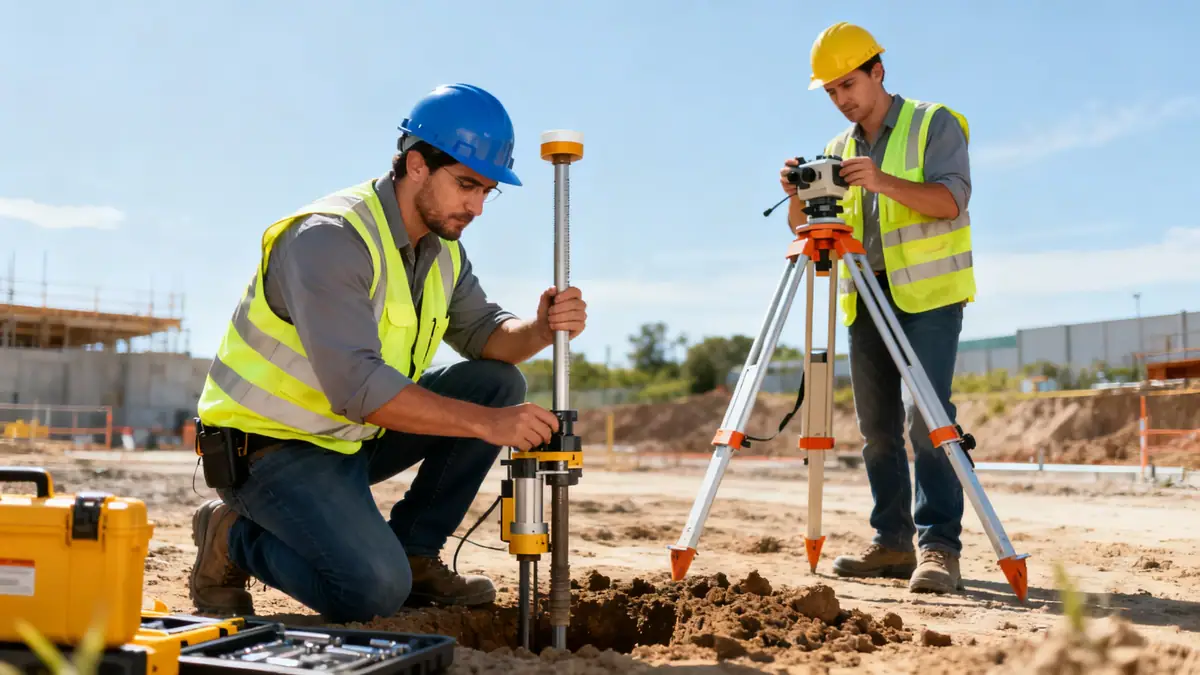
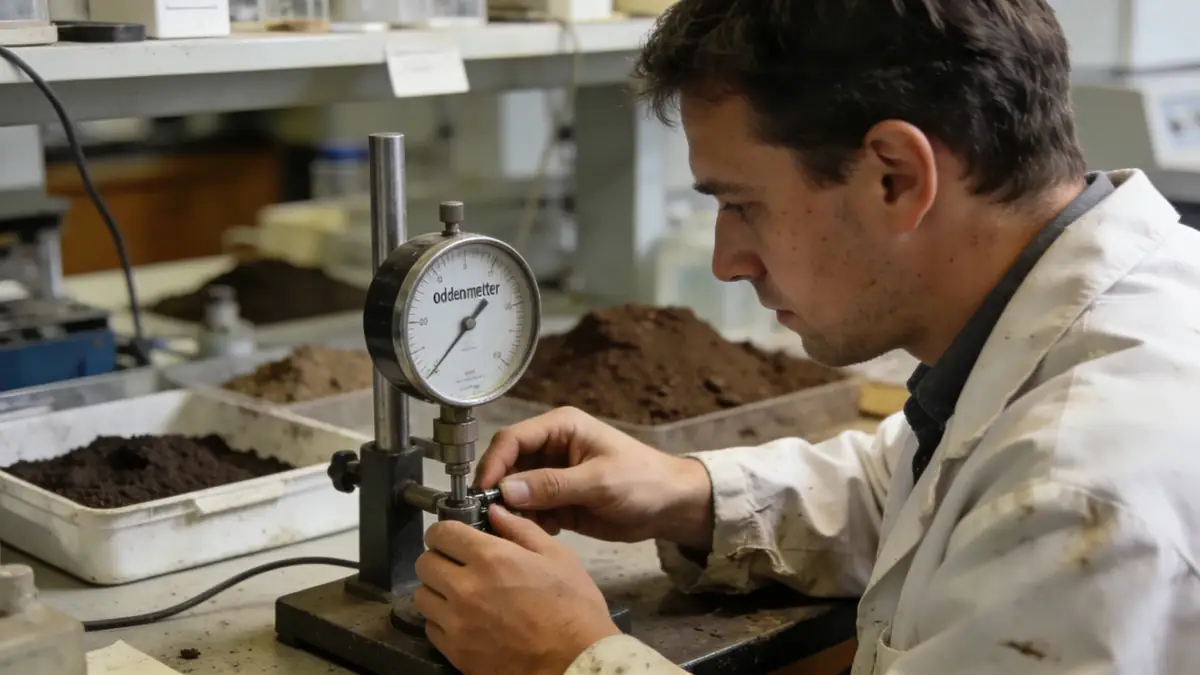
Our methodology in San Diego follows a systematic approach that integrates field exploration, laboratory testing, and analytical modeling. We begin with a review of existing geological maps and historical data to identify potential hazards. Fieldwork typically involves spt boring at strategic locations to recover soil samples and measure resistance, following ASTM D1586 standards. Samples are then analyzed in our soil mechanics laboratory for index properties, strength, and consolidation characteristics. Advanced analyses, such as slope stability assessments using limit equilibrium methods, are performed when warranted. All data is synthesized into a comprehensive report that addresses bearing capacity, settlement, seismic site class, and construction recommendations.
Reference Technical Parameters
| Parameter | Reference Value |
|---|---|
| Predominant soil type | Alluvial sands and clays over sandstone bedrock |
| Maximum seismic acceleration (PGA) | 0.4g (ASCE 7-16, Site Class D) |
| Typical groundwater level | 3–10 m below grade (variable seasonally) |
| Bedrock depth | 15–30 m in coastal areas; shallower inland |
| Typical N60 range | 10–30 blows/ft in sandy soils |
Local Considerations — San Diego
San Diego's geology is dominated by Quaternary alluvium and Tertiary sedimentary formations, with the La Nacion Fault and Rose Canyon Fault presenting seismic risks. The presence of expansive clays in certain areas requires careful evaluation of shrink-swell potential. Groundwater levels fluctuate with seasonal precipitation and coastal proximity, impacting excavation stability. Our experience includes projects in downtown's bayfill areas, where liquefaction potential is high, and in the sloping terrains of La Jolla, where slope stability analyses are critical. For broader regional context, we coordinate with our geotechnical engineering en Los Angeles office on cross-border projects.
Request a Quote
Our team reviews your project and issues an initial report at no cost.
Or write us directly at [email protected]
Services in San Diego
Applicable Standards
- ASTM D1586 (Standard Penetration Test)
- ASCE 7-16 (Minimum Design Loads and Associated Criteria for Buildings and Other Structures)
- California Building Code (CBC) 2022
- City of San Diego Municipal Code (Land Development Manual)
Frequently Asked Questions
What types of soil are commonly found in San Diego?
San Diego features a mix of alluvial sands and clays in valleys, with sandstone and siltstone bedrock on mesas. Coastal areas may have loose sands prone to liquefaction, while inland regions contain stiff clays and weathered rock.
Is seismic design mandatory for all projects in San Diego?
Yes, per the California Building Code, all new construction must consider seismic hazards. Site-specific seismic analysis is required for critical facilities and projects in high-risk zones near active faults like the Rose Canyon Fault.
Are geotechnical investigations required for residential construction in San Diego?
The City of San Diego mandates geotechnical reports for most new buildings, additions, and hillside developments. Exceptions exist for minor structures, but a geotechnical evaluation is strongly recommended to mitigate risks.