Methodology
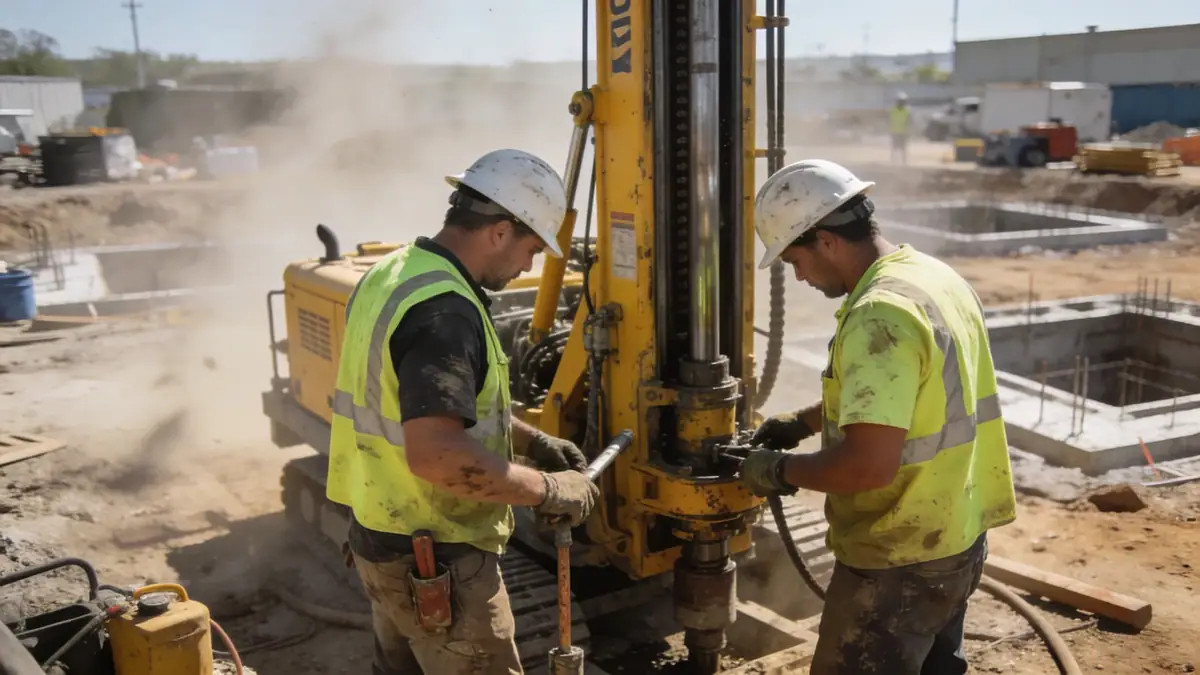
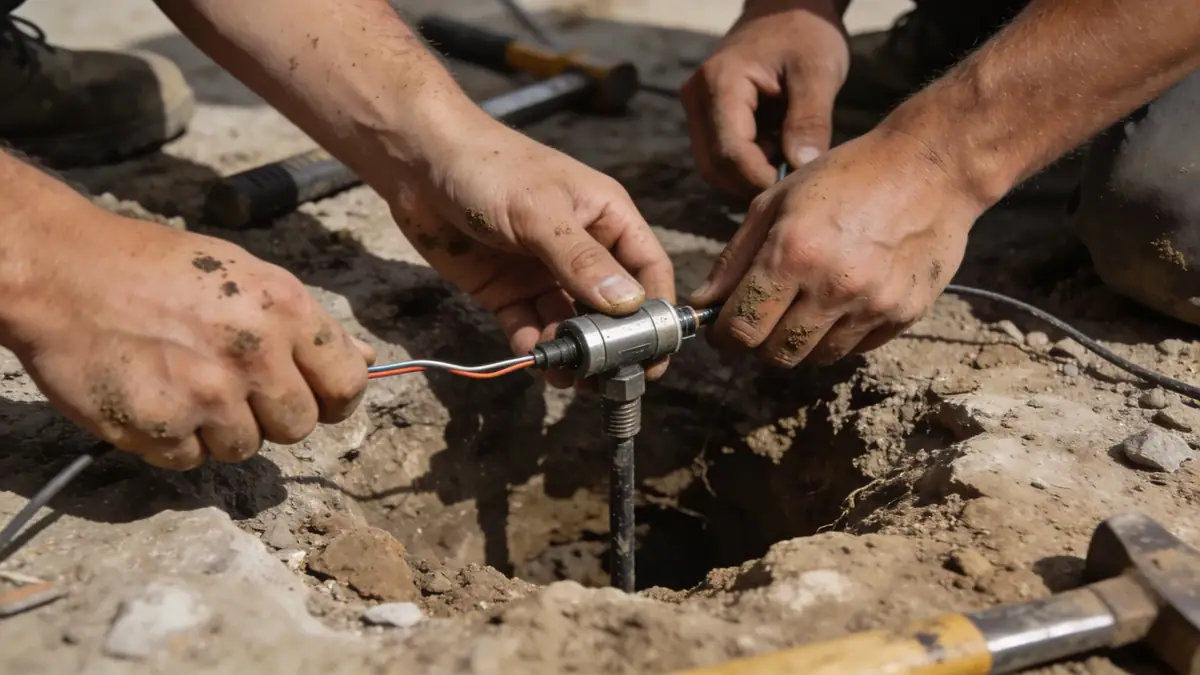
Our approach to geotechnical engineering in San Francisco integrates advanced field investigations and laboratory testing. We perform spt boring to characterize subsurface conditions, following ASTM D1586 for standard penetration tests. Soil samples are analyzed in our soil mechanics laboratory for index properties, strength, and consolidation. This data informs slope stability, settlement, and foundation design. Our methodology adapts to San Francisco's geologic diversity, from fill and bay mud to Franciscan bedrock, ensuring site-specific solutions.
Reference Technical Parameters
| Parameter | Reference Value |
|---|---|
| Predominant soil type | Fill, Bay Mud (Young), and Colluvium |
| Maximum seismic acceleration (PGA) | 0.6 g (ASCE 7-16, Site Class D) |
| Typical groundwater level | 2 to 6 m below surface |
| Bedrock depth | 5 to 50 m (Franciscan Complex) |
| Typical N60 range | 2–15 in Bay Mud; 20–50 in dense sand/gravel |
Local Considerations — San Francisco
San Francisco's geology is dominated by soft Bay Mud (Young Bay Mud) underlying fill and alluvium, with stiff colluvium and Franciscan bedrock at depth. Liquefaction risk is high in filled areas, especially near the waterfront. The city enforces strict seismic design per ASCE 7 and the California Building Code. Our team has extensive experience with deep foundations and ground improvement in these conditions. For projects requiring broader regional support, we also provide geotechnical engineering en Los Angeles services, leveraging our statewide expertise.
Request a Quote
Our team reviews your project and issues an initial report at no cost.
Or write us directly at [email protected]
Services in San Francisco
Applicable Standards
- ASTM D1586
- ASCE 7-16
- California Building Code (CBC 2022)
- Eurocode 7 (reference for international projects)
Frequently Asked Questions
What are the main soil types encountered in San Francisco?
San Francisco's soils include artificial fill, Young Bay Mud (soft, compressible), older alluvium, colluvium, and Franciscan bedrock. The Bay Mud poses significant settlement and liquefaction risks, requiring deep foundations or ground improvement for most structures.
How does seismic design affect geotechnical engineering in San Francisco?
San Francisco lies in a high seismic zone with peak ground accelerations up to 0.6g. Geotechnical investigations must evaluate liquefaction, lateral spreading, and site amplification. Our firm uses ASCE 7-16 and CBC 2022 to design foundations and retaining walls that withstand seismic loads.
Is a geotechnical study mandatory for all construction in San Francisco?
Yes, most building permits require a geotechnical report per the San Francisco Building Code. This includes single-family homes, additions, and commercial projects. The study must address soil bearing capacity, settlement, seismic hazards, and groundwater conditions.