Methodology
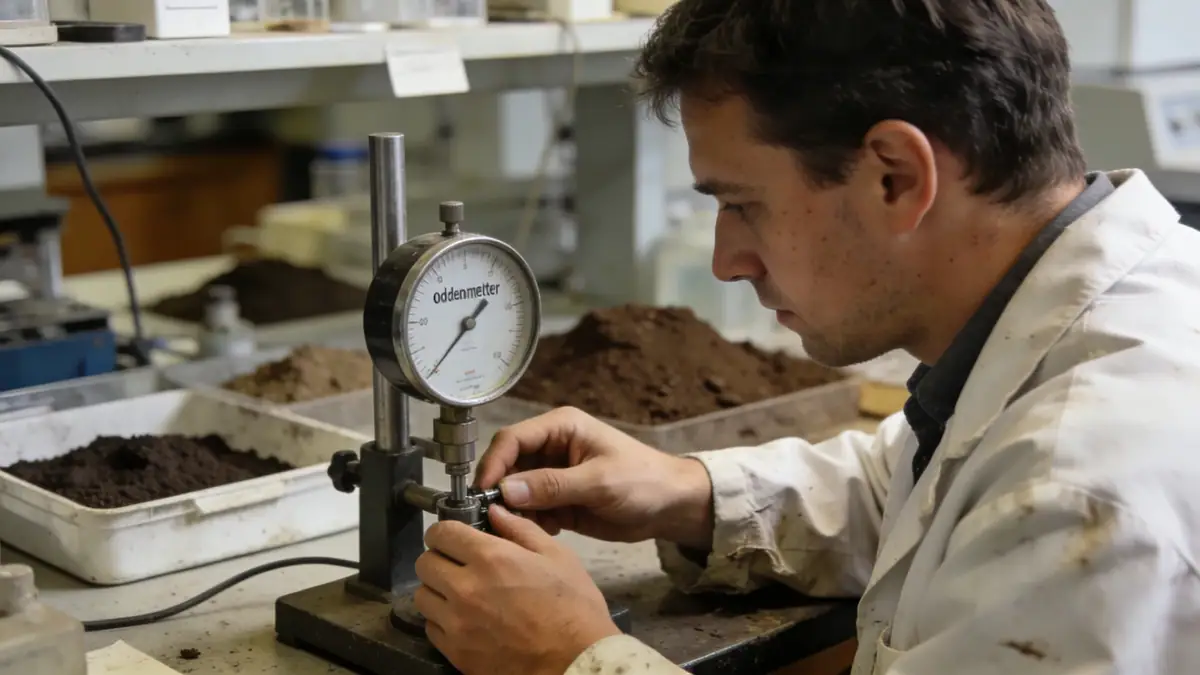
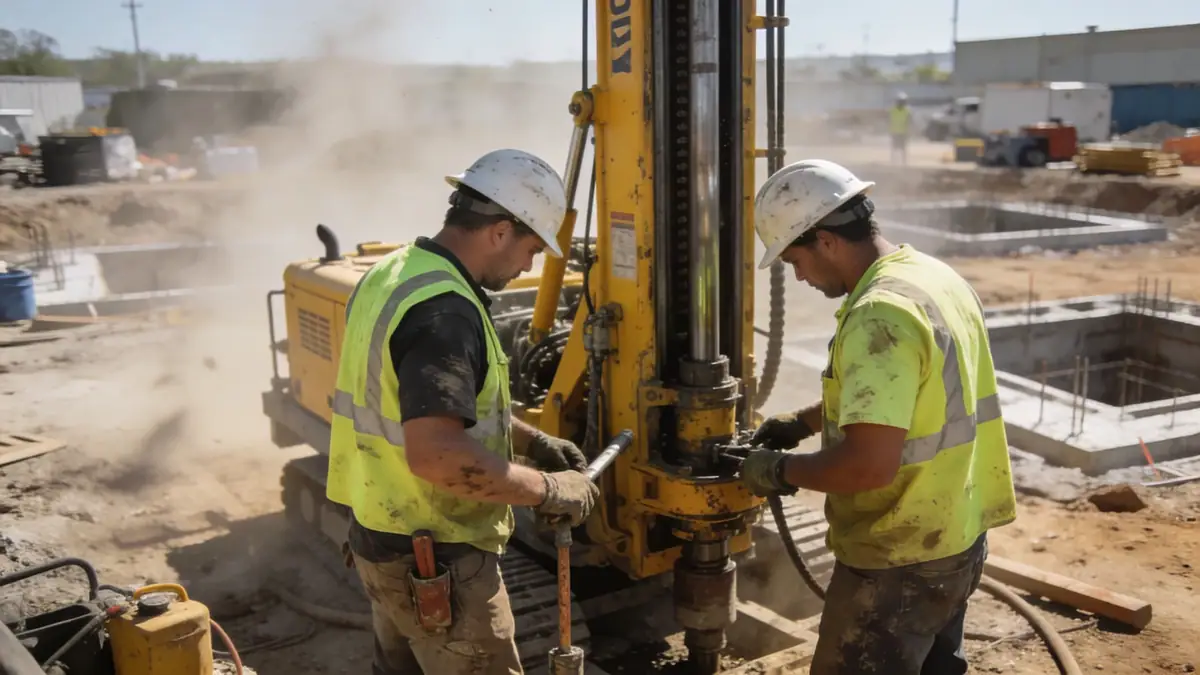
Our geotechnical engineering methodology in San Jose begins with a comprehensive site reconnaissance and review of existing geologic maps and borehole data. We conduct subsurface investigations using standard penetration testing (SPT) per ASTM D1586, typically at 1.5 m intervals to depths of 15–30 m, depending on project scale. Soil samples are classified in our soil mechanics laboratory for index properties, strength, and consolidation characteristics. Seismic hazard analysis follows ASCE 7-16 to determine site class and design ground motions. All fieldwork is supervised by licensed geotechnical engineers, ensuring data quality and adherence to local building codes.
Reference Technical Parameters
| Parameter | Reference Value |
|---|---|
| Predominant soil type | Alluvial silty clay and sand |
| Maximum seismic acceleration (PGA) | 0.4–0.6 g (ASCE 7 Site Class D) |
| Typical groundwater level | 3–10 m below ground surface |
| Bedrock depth | 30–60 m (Franciscan Complex) |
| Typical N60 range | 5–25 blows/ft (silty clay to dense sand) |
Local Considerations — San Jose
San Jose lies within the Santa Clara Valley, underlain by deep alluvial deposits from the Coyote and Guadalupe rivers. Shallow soils often consist of soft to medium stiff clays and loose sands, with groundwater typically encountered at 3–10 m depth. Seismic hazards are significant due to proximity to the San Andreas and Hayward faults; peak ground accelerations can reach 0.6 g. Liquefaction potential is high in areas with loose saturated sands, particularly near the bay. Our team addresses these conditions through site-specific seismic hazard analyses and foundation recommendations. For broader regional context, we coordinate with our geotechnical engineering en Los Angeles team to ensure consistency across California projects.
Request a Quote
Our team reviews your project and issues an initial report at no cost.
Or write us directly at [email protected]
Services in San Jose
Applicable Standards
- ASTM D1586 (Standard Penetration Test)
- ASCE 7-16 (Minimum Design Loads for Buildings)
- California Building Code (CBC) 2022
- San Jose Municipal Code Title 24
Frequently Asked Questions
What are the typical soil conditions in San Jose for foundation design?
San Jose soils are predominantly alluvial silty clays and sands, with occasional gravel layers. Groundwater is shallow in many areas, requiring dewatering or waterproofing. Deep foundations (piles or drilled shafts) are often needed for heavy loads due to low bearing capacity in upper strata.
How does seismic activity affect geotechnical engineering in San Jose?
San Jose is in a high seismic zone near active faults. Site-specific seismic hazard analyses are required to determine peak ground acceleration and liquefaction potential. Soil amplification can significantly increase ground motion, necessitating careful foundation design per ASCE 7 and CBC.
Are geotechnical investigations mandatory for construction in San Jose?
Yes, the California Building Code and San Jose Municipal Code require geotechnical reports for most new structures, additions, and significant alterations. Investigations must address soil bearing capacity, settlement, seismic hazards, and groundwater conditions to obtain building permits.