Methodology

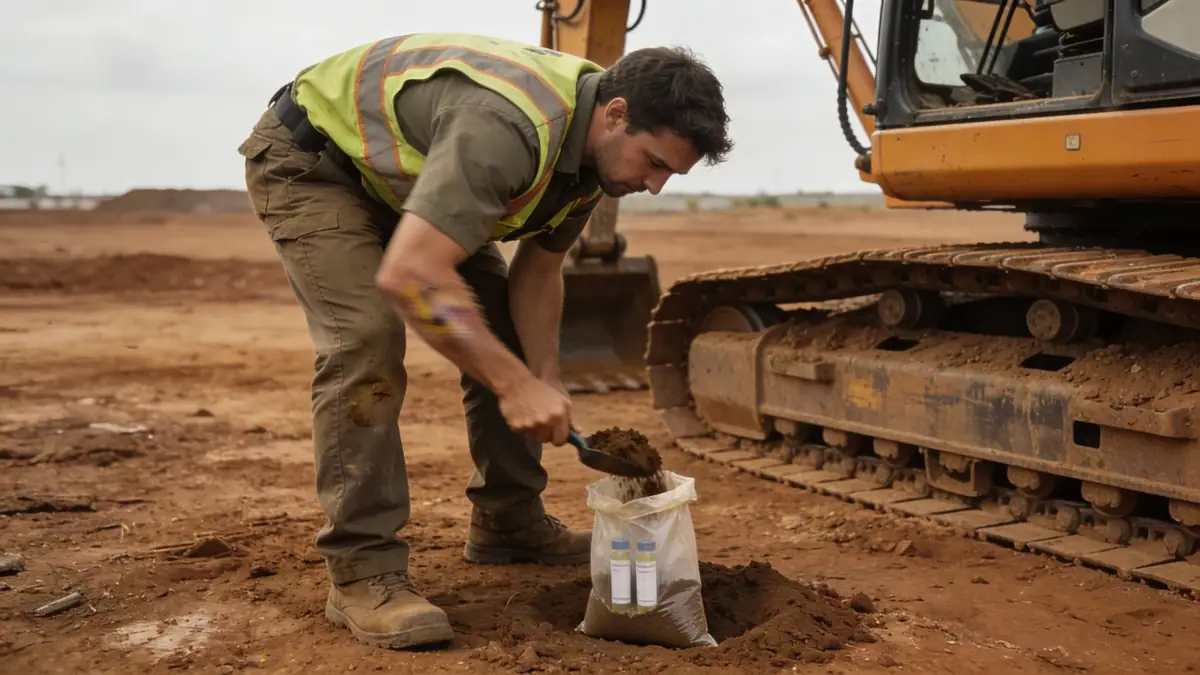
Our methodology for geotechnical engineering in Santa Ana begins with a thorough review of existing geologic maps and nearby project data to identify potential hazards such as liquefaction or expansive soils. We then conduct spt boring at strategically located points to obtain soil samples and measure penetration resistance, following ASTM D1586 procedures. Laboratory testing on recovered samples includes classification, strength, and consolidation tests to characterize soil behavior. Analysis incorporates site-specific seismic parameters per ASCE 7 to evaluate liquefaction potential and settlement. Our integrated approach ensures foundation recommendations are tailored to Santa Ana's subsurface conditions, reducing construction risks and long-term maintenance costs.
Reference Technical Parameters
| Parameter | Reference Value |
|---|---|
| Predominant Soil Type | Alluvial sands, silts, and clays with gravel lenses |
| Maximum Seismic Acceleration (PGA) | 0.40g to 0.50g (Site Class D) |
| Typical Groundwater Level | 10 to 30 feet below ground surface |
| Bedrock Depth | >100 feet (deep alluvial basin) |
| Typical N60 Range | 10 to 40 blows per foot (variable) |
Local Considerations — Santa Ana
Santa Ana sits on the Santa Ana River floodplain, characterized by deep alluvial deposits interbedded with clay and silt layers. Groundwater levels fluctuate seasonally, impacting excavation and foundation design. Seismic hazards include strong ground shaking and potential liquefaction in loose saturated sands. Older neighborhoods may have undocumented fills, while newer developments often encounter stiff clays. Local building officials require site-specific geotechnical reports per CBC. Our team integrates these factors into practical recommendations, referencing our soil mechanics laboratory for precise index and strength properties. For broader context, see our geotechnical engineering en Los Angeles hub.
Request a Quote
Our team reviews your project and issues an initial report at no cost.
Or write us directly at [email protected]
Services in Santa Ana
Applicable Standards
- California Building Code (CBC) 2022
- ASCE 7-22 (Minimum Design Loads)
- ASTM D1586 (Standard Penetration Test)
- ASTM D2487 (Unified Soil Classification System)
- Seismic Hazards Mapping Act (SHMA)
Frequently Asked Questions
What are the typical soil types encountered in Santa Ana?
Santa Ana soils are predominantly alluvial sands, silts, and clays with occasional gravel layers. These deposits can vary significantly over short distances due to ancient river channels, making site-specific exploration essential for accurate foundation design.
How does seismic activity in Santa Ana affect geotechnical design?
Santa Ana lies in a high seismic zone with peak ground accelerations up to 0.50g. Geotechnical evaluations must assess liquefaction potential, lateral spreading, and dynamic settlement per ASCE 7. Our reports provide site-specific seismic parameters to ensure compliance with the California Building Code.
Are geotechnical studies mandatory for construction in Santa Ana?
Yes, the City of Santa Ana requires a geotechnical investigation for most new buildings and major renovations. This is typically mandated by the building department during plan review to address soil stability, groundwater, and seismic hazards, ensuring public safety and structural integrity.