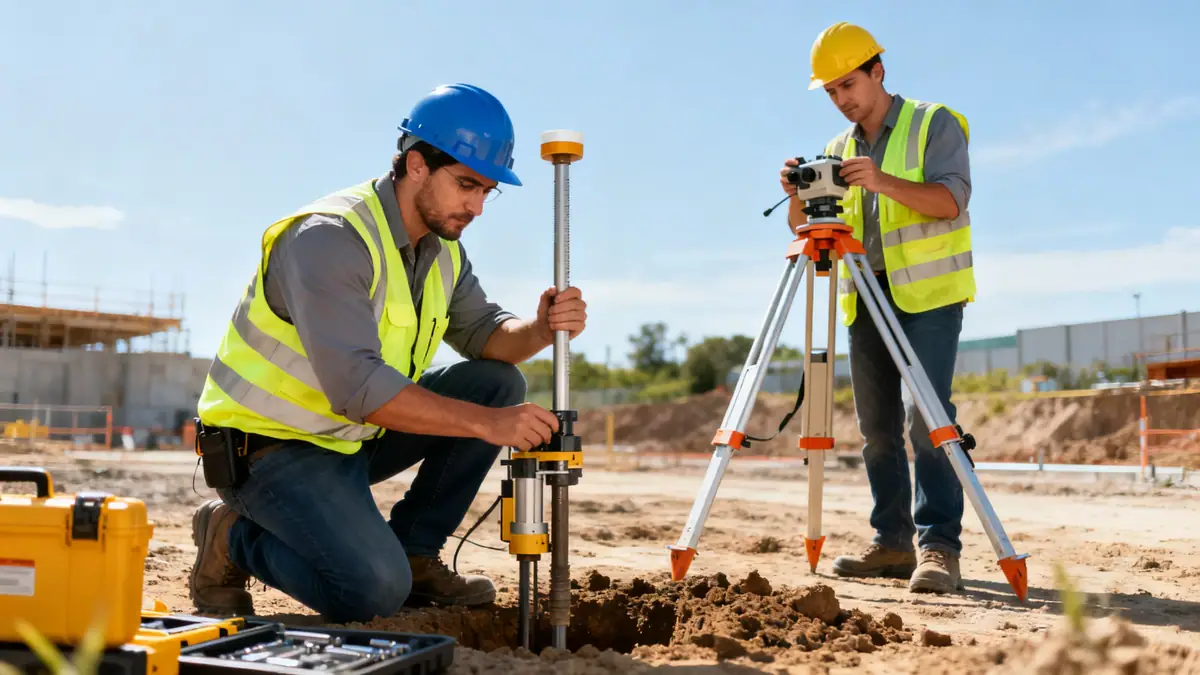
Methodology
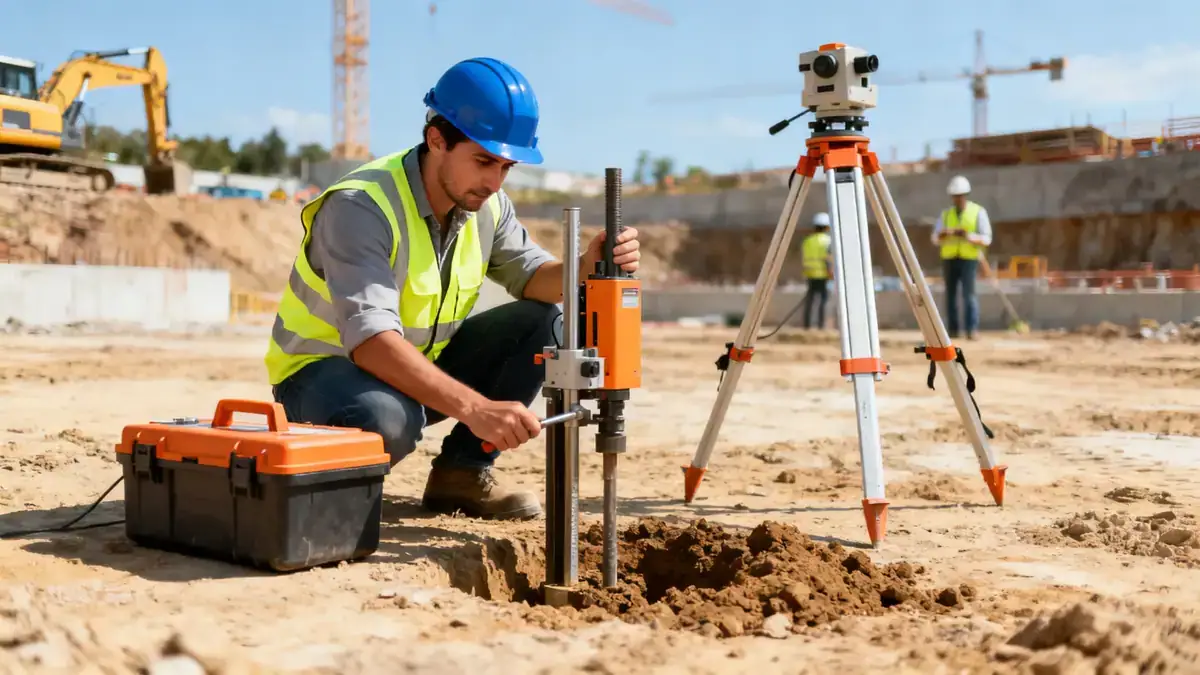
Our methodology for geotechnical engineering in Santa Clarita integrates field investigation, laboratory testing, and analytical modeling. We begin with a thorough review of existing geologic maps and seismic hazard data, followed by a subsurface exploration program that typically includes spt boring to characterize soil stratigraphy and strength. In-situ tests such as cone penetration testing and shear wave velocity measurements supplement the borehole data, particularly for liquefaction assessment. Laboratory testing on recovered samples—including grain size analysis, Atterberg limits, and direct shear tests—provides the parameters needed for foundation and slope stability analyses. All work adheres to ASTM D1586 for SPT and follows the guidelines of ASCE 7 for seismic design.
Reference Technical Parameters
| Parameter | Reference Value |
|---|---|
| Predominant soil type | Alluvial sands and silts with gravel lenses |
| Maximum seismic acceleration (PGA) | 0.44g (Site Class D, MCE_R) |
| Typical groundwater level | 15–30 ft depth, varies seasonally |
| Bedrock depth | 50–200 ft, deeper in valley areas |
| Typical N60 range | 10–30 blows/ft in cohesionless soils |
Local Considerations — Santa Clarita
Santa Clarita's geology is dominated by Quaternary alluvium in the valley floors and Tertiary sedimentary rocks in the hills, with the San Gabriel fault system posing significant seismic risk. Liquefaction susceptibility is moderate in saturated sands near the Santa Clara River. Hillside developments in Valencia and Saugus require careful slope stability analysis due to steep terrain and potentially collapsible soils. Our team has extensive experience with the City's grading ordinances and the County of Los Angeles building codes. For projects requiring regional context, we coordinate with our geotechnical engineering en Los Angeles office to ensure consistency across jurisdictional boundaries.
Request a Quote
Our team reviews your project and issues an initial report at no cost.
Or write us directly at [email protected]
Services in Santa Clarita
Applicable Standards
- ASTM D1586
- ASCE 7
- California Building Code (CBC)
- City of Santa Clarita Grading and Drainage Ordinance
Frequently Asked Questions
What are the typical soil conditions in Santa Clarita?
Soils vary widely: alluvial sands and silts dominate the valleys, while hillside areas contain sedimentary rock and colluvium. Groundwater is generally deep, but seasonal fluctuations can affect shallow foundations. Our geotechnical engineering in Santa Clarita addresses these variations through site-specific investigations.
Is seismic design mandatory for projects in Santa Clarita?
Yes. Santa Clarita is in Seismic Zone 4 per the California Building Code, with a mapped PGA of 0.44g. All structures must comply with ASCE 7 seismic provisions. Our team incorporates site-specific response spectra and liquefaction analyses into every project.
Do I need a geotechnical report for a small residential project?
It depends on the site. For hillside lots or areas with known soil instability, the City of Santa Clarita typically requires a geotechnical report. Even on flat lots, a limited study can identify potential issues like expansive soils or fill. Our firm offers scaled investigations to meet project needs.