Methodology
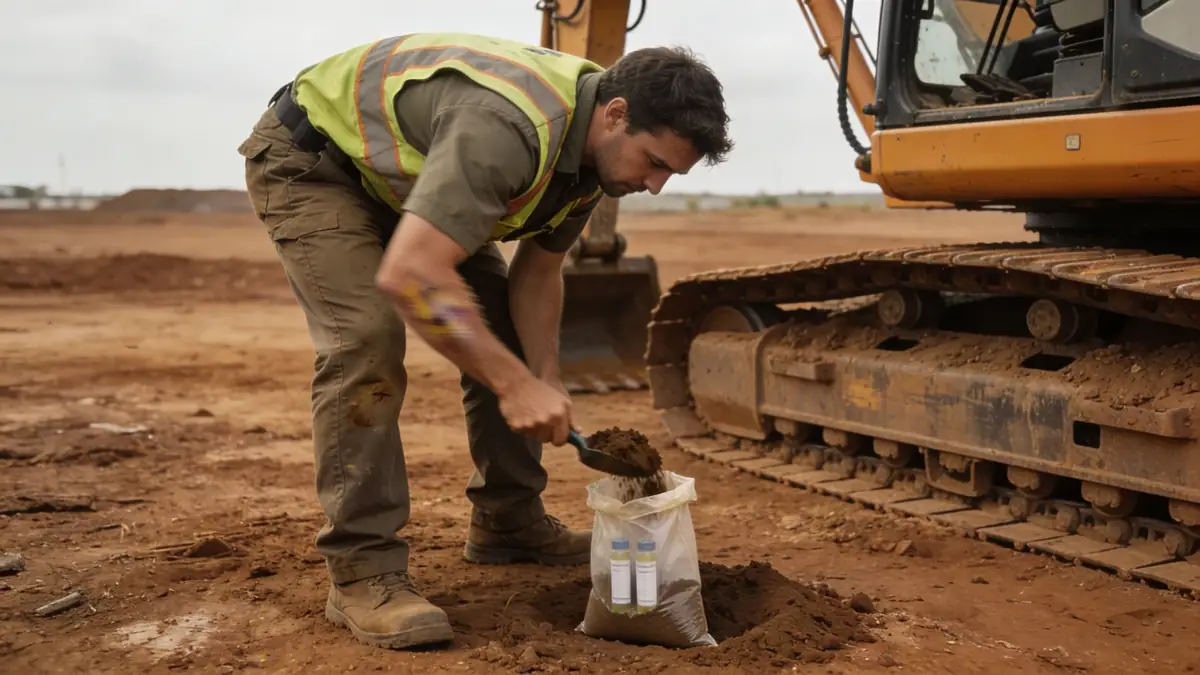
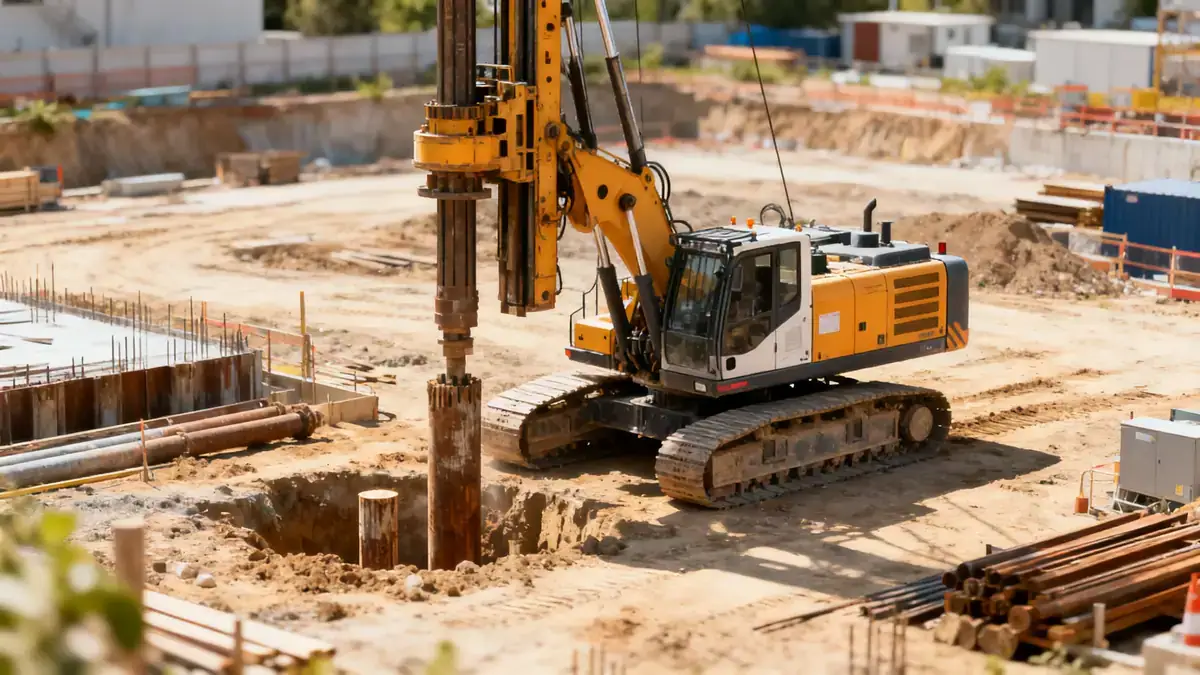
Our methodology for geotechnical engineering in Savannah Georgia begins with a comprehensive review of existing geologic maps and historical data. We then conduct site-specific subsurface investigations, including spt boring at intervals specified by ASTM D1586, typically every 1.5 meters. Field tests are complemented by laboratory analyses of soil index properties, strength, and consolidation characteristics. All data are synthesized into a geotechnical report that addresses foundation recommendations, earthwork specifications, and seismic considerations per the latest building codes.
Reference Technical Parameters
| Parameter | Reference Value |
|---|---|
| Predominant soil type | Sands and silty sands underlain by Cooper Marl |
| Maximum seismic acceleration (PGA) | 0.1g to 0.2g (ASCE 7-16) |
| Typical groundwater level | 3 to 6 feet below grade |
| Bedrock depth | 100 to 150 feet (Tertiary limestone) |
| Typical N60 range | 10 to 30 blows per foot (sands) |
Local Considerations — Savannah Georgia
Savannah's coastal location results in near-surface groundwater levels, often requiring dewatering for excavations. The region is classified as moderate seismic hazard per ASCE 7-16, with peak ground accelerations of 0.1g–0.2g. Soil conditions vary from loose sands in the Historic District to more competent marl near the Savannah River. Typical projects include foundation design for residential subdivisions and commercial developments. Our team leverages extensive local experience to address these challenges efficiently. For broader regional context, see geotechnical engineering en Atlanta. Additional information on soil mechanics laboratory testing is available for detailed soil characterization.
Request a Quote
Our team reviews your project and issues an initial report at no cost.
Or write us directly at [email protected]
Services in Savannah Georgia
Applicable Standards
- ASTM D1586 (Standard Penetration Test)
- ASCE 7-16 (Minimum Design Loads and Associated Criteria for Buildings and Other Structures)
- IBC 2021 (International Building Code)
- ASTM D2487 (Classification of Soils for Engineering Purposes)
Frequently Asked Questions
What types of soil are commonly found in Savannah Georgia?
Savannah Georgia typically features sandy and silty surface soils underlain by the Cooper Marl formation, a calcareous clayey material. These soils can vary in density and strength, requiring careful evaluation for foundation design.
What seismic design considerations apply in Savannah Georgia?
Savannah Georgia falls under Seismic Design Category B per ASCE 7-16, with moderate peak ground accelerations of 0.1g to 0.2g. Geotechnical investigations must evaluate liquefaction potential in loose saturated sands.
Are geotechnical studies mandatory for construction in Savannah Georgia?
While local building codes generally require a geotechnical investigation for most structures, specific requirements depend on project size and risk. Our firm recommends a study for any significant construction to ensure safety and compliance.