Methodology
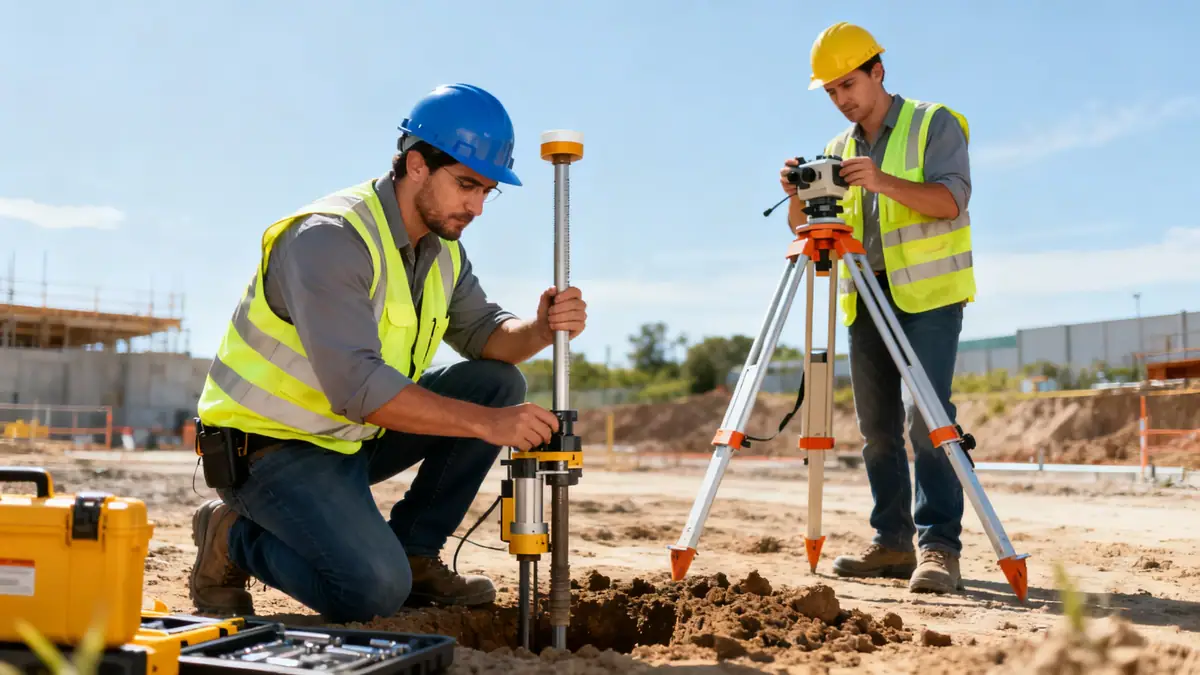
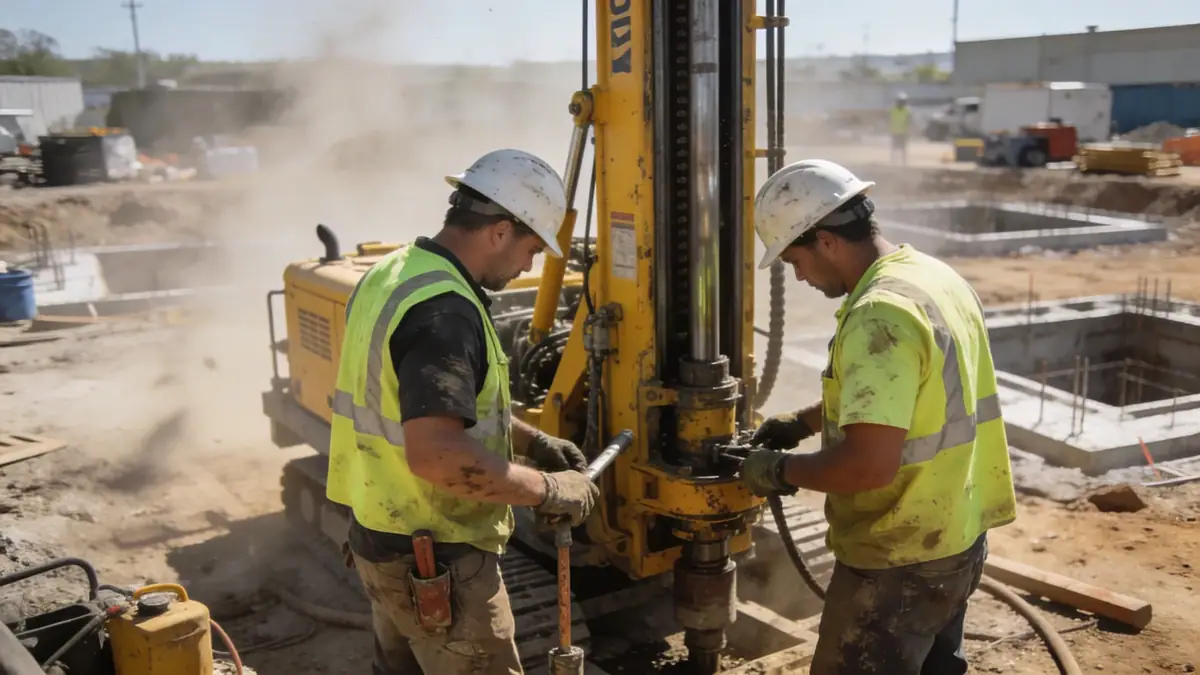
Our approach to geotechnical engineering in Scottsdale begins with a thorough review of existing geologic maps and nearby project data. We then conduct a site-specific subsurface investigation using methods such as spt boring to obtain soil samples and measure resistance. Field work is complemented by laboratory testing of soil index properties, strength, and consolidation characteristics. The data are analyzed against local building codes and national standards to develop design parameters for foundations, retaining walls, and pavements. Our team integrates findings into a clear geotechnical report that guides structural design and construction.
Reference Technical Parameters
| Parameter | Reference Value |
|---|---|
| Predominant soil type | Alluvial sands, silts, and gravels with localized clay lenses |
| Maximum seismic acceleration (PGA) | 0.20g (ASCE 7-16, Site Class D) |
| Typical groundwater level | Greater than 15 m (50 ft) below grade in most areas |
| Bedrock depth | Variable: 15–30+ m (50–100+ ft) in central Scottsdale; shallower in foothills |
| Typical N60 range (SPT) | 10–50 blows/ft for sands; 5–20 blows/ft for clays |
Local Considerations — Scottsdale
Scottsdale's geology is dominated by Quaternary alluvium derived from the McDowell Mountains and the Salt River. The soil profile often includes loose to medium dense sands and silts near the surface, underlain by denser sands and gravels. Expansive clays are present in some areas, particularly near the Verde River corridor. Groundwater is generally deep (>15 m), but localized perched zones may occur after heavy rains. Seismic hazard is moderate, with a PGA of 0.20g per ASCE 7-16. The city's building department requires geotechnical investigations for most developments. Our team regularly collaborates with structural engineers to address these conditions, and we leverage our soil mechanics laboratory for precise soil characterization. For projects near the Phoenix metropolitan area, we coordinate with our geotechnical engineering en Phoenix office to ensure regional consistency.
Request a Quote
Our team reviews your project and issues an initial report at no cost.
Or write us directly at [email protected]
Services in Scottsdale
Applicable Standards
- ASCE 7-16: Minimum Design Loads and Associated Criteria for Buildings and Other Structures
- ASTM D1586: Standard Test Method for Standard Penetration Test (SPT) and Split-Barrel Sampling of Soils
- ASTM D2487: Standard Practice for Classification of Soils for Engineering Purposes (Unified Soil Classification System)
- City of Scottsdale Building Code (2018 International Building Code with local amendments)
- ACI 318: Building Code Requirements for Structural Concrete (for foundation elements)
Frequently Asked Questions
What types of soil are commonly found in Scottsdale?
Scottsdale's soils are predominantly alluvial sands, silts, and gravels deposited by ancestral rivers. In some areas, clay layers with moderate to high expansion potential are present. The soil profile can vary significantly within short distances, requiring site-specific investigation.
Is a geotechnical study required for residential construction in Scottsdale?
Yes, the City of Scottsdale typically requires a geotechnical report for new residential construction, additions, and major renovations. The study must address soil bearing capacity, settlement, expansive soil potential, and seismic site classification per ASCE 7.
How does seismic activity affect geotechnical design in Scottsdale?
Scottsdale lies in a region of moderate seismicity with a peak ground acceleration of 0.20g. Geotechnical design must consider soil liquefaction potential in saturated sands, site amplification due to soft soils, and lateral earth pressures for retaining structures. Our analyses follow ASCE 7-16 seismic provisions.