Methodology
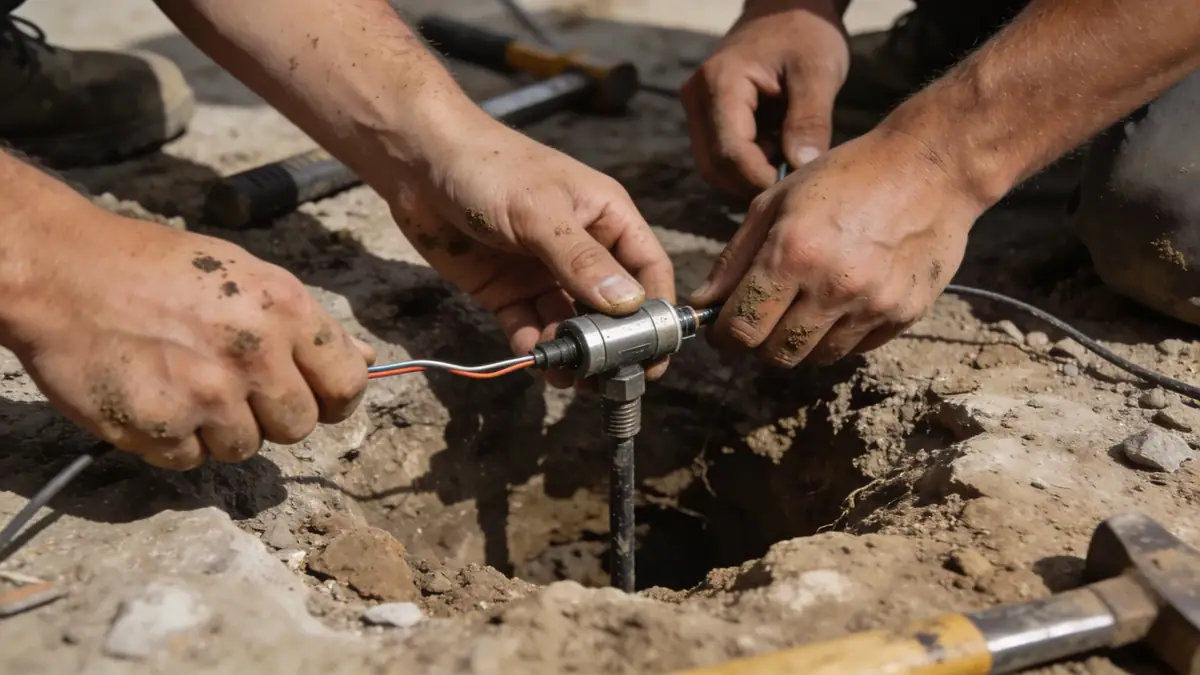
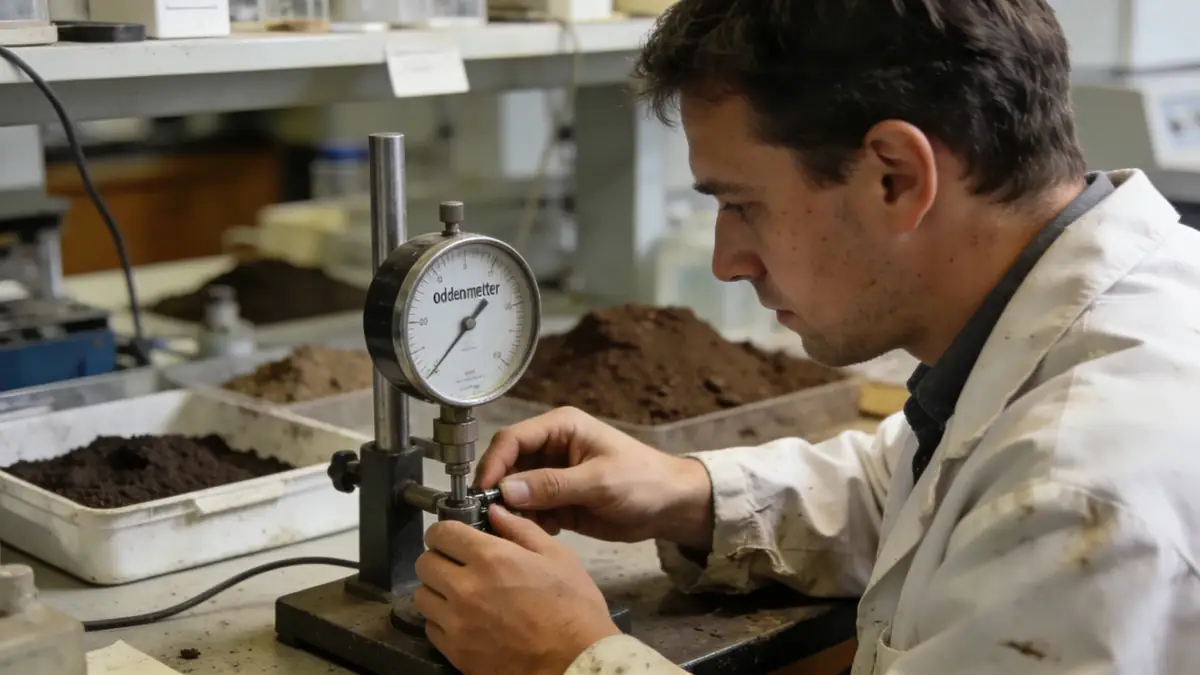
Our methodology for geotechnical engineering in Sioux City begins with a thorough review of existing geological maps and historical data. We then conduct field investigations, including spt boring to recover disturbed and undisturbed samples at regular intervals. Standard penetration tests are performed in accordance with ASTM D1586, with typical sampling intervals of 1.0 to 1.5 meters. For projects requiring continuous profiles, we employ cone penetration testing (CPT) to record soil behavior at 1–2 cm intervals. Laboratory testing follows ASTM standards for classification, strength, and consolidation, ensuring that our design parameters are both accurate and conservative.
Reference Technical Parameters
| Parameter | Reference Value |
|---|---|
| Predominant soil type | Loess and alluvial silty clays |
| Maximum seismic acceleration (PGA) | 0.15–0.25g (ASCE 7-16) |
| Typical groundwater level | 2–5 m below ground surface |
| Bedrock depth | 15–30 m (shale/sandstone) |
| Typical N60 range (SPT) | 5–25 blows/ft |
Local Considerations — Sioux City
Sioux City's geology is dominated by wind-deposited loess, which can be collapsible under wetting, and alluvial deposits along the Missouri River floodplain. Groundwater levels are shallow in low-lying areas, requiring dewatering considerations for excavations. Seismic hazards are moderate, with peak ground accelerations up to 0.25g per ASCE 7, influencing foundation design for critical structures. Neighborhoods on the bluffs (e.g., Morningside) present different conditions than the river valley. For regional support, our team coordinates with geotechnical engineering in Chicago to leverage broader expertise.
Request a Quote
Our team reviews your project and issues an initial report at no cost.
Or write us directly at [email protected]
Services in Sioux City
Applicable Standards
- ASTM D1586 (Standard Penetration Test)
- ASCE 7-16 (Minimum Design Loads for Buildings)
- IBC (International Building Code)
- ASTM D2487 (Unified Soil Classification System)
- ASTM D4318 (Atterberg Limits)
Frequently Asked Questions
What are the typical soil conditions in Sioux City?
The predominant soils are loess and alluvial silty clays. Loess is a wind-deposited silt that may collapse when saturated, so careful testing is required. Alluvial deposits vary from soft clays to sands along the Missouri River.
Does Sioux City have seismic design requirements?
Yes. Per ASCE 7-16, Sioux City falls in Seismic Design Category B to C, with peak ground accelerations of 0.15–0.25g. Site-specific response spectra may be needed for critical facilities, and liquefaction assessment is recommended in saturated sandy layers.
Are geotechnical investigations mandatory for construction projects in Sioux City?
The IBC requires a geotechnical report for most buildings, especially those with shallow foundations or in areas with variable soils. Local jurisdictions may have additional requirements. Our investigations ensure compliance and mitigate foundation risks.