Methodology

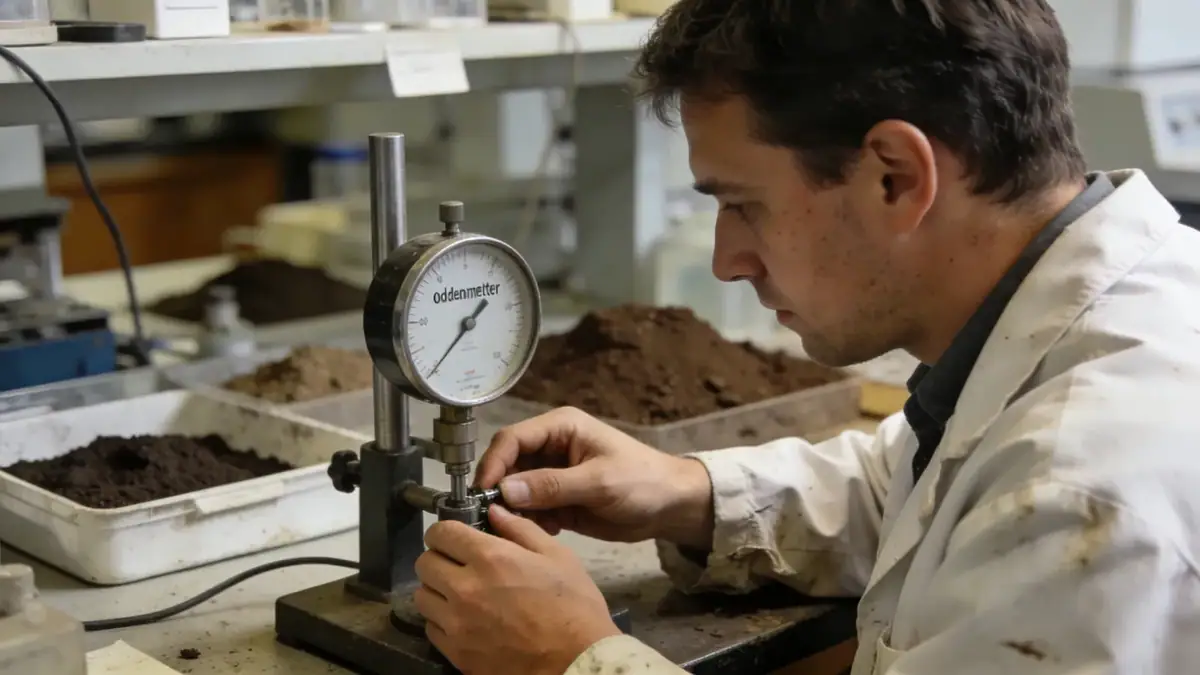
Our methodology for geotechnical engineering in Spokane begins with a thorough review of existing geologic maps and seismic hazard data. We then conduct field investigations, including spt boring to obtain soil samples and measure in-situ resistance. Laboratory testing on recovered samples follows ASTM D1586 procedures for standard penetration tests. We analyze results to classify soils per the Unified Soil Classification System, assess groundwater conditions, and evaluate bearing capacity. Our approach integrates site-specific data with regional seismic parameters to develop foundation recommendations that address Spokane's varied soil profiles.
Reference Technical Parameters
| Parameter | Reference Value |
|---|---|
| Predominant soil type | Glacial till, alluvial silts, and sands |
| Maximum seismic acceleration (PGA) | 0.20g to 0.30g (ASCE 7-16) |
| Typical groundwater level | 5 to 15 feet below ground surface |
| Bedrock depth | Variable; 50 to 100 feet in valley areas |
| Typical N60 range | 10 to 40 blows per foot (SPT) |
Local Considerations — Spokane
Spokane's geology is dominated by glacial deposits from the Cordilleran Ice Sheet, with alluvial sediments along the Spokane River. The region is subject to moderate seismic hazard from the Spokane Fault and deep crustal earthquakes. Soil conditions vary significantly: downtown areas often have dense glacial till, while peripheral zones contain loose sands and silts near the river. Our geotechnical engineering in Spokane addresses these contrasts by tailoring investigations to each site. For projects in the Spokane Valley, we pay special attention to groundwater levels and liquefaction potential. Our team also collaborates with local authorities to meet city-specific grading and foundation ordinances. For broader regional context, see our geotechnical engineering en Seattle page. We also provide soil mechanics laboratory services to support detailed soil characterization.
Request a Quote
Our team reviews your project and issues an initial report at no cost.
Or write us directly at [email protected]
Services in Spokane
Applicable Standards
- ASTM D1586 (Standard Penetration Test)
- ASCE 7-16 (Minimum Design Loads and Associated Criteria for Buildings)
- IBC 2021 (International Building Code)
- Spokane Municipal Code Title 17 (Grading and Erosion Control)
Frequently Asked Questions
What soil types are commonly found in Spokane?
Spokane's soils are primarily glacial till, consisting of dense silty sands and gravels with cobbles. Alluvial deposits of loose sands, silts, and clays are present along the Spokane River. Expansive clays are less common but can occur in localized areas.
Is a geotechnical study required for residential construction in Spokane?
Yes, the Spokane Municipal Code requires a geotechnical report for most new construction, especially in areas with known soil hazards or slopes over 15%. Our firm provides studies that satisfy local permit requirements and ensure safe foundation design.
How does seismic activity affect geotechnical design in Spokane?
Spokane has a moderate seismic hazard with peak ground accelerations up to 0.30g. Design must consider liquefaction in loose saturated sands and potential amplification in soft soils. We follow ASCE 7-16 to determine site class and seismic coefficients.