Methodology
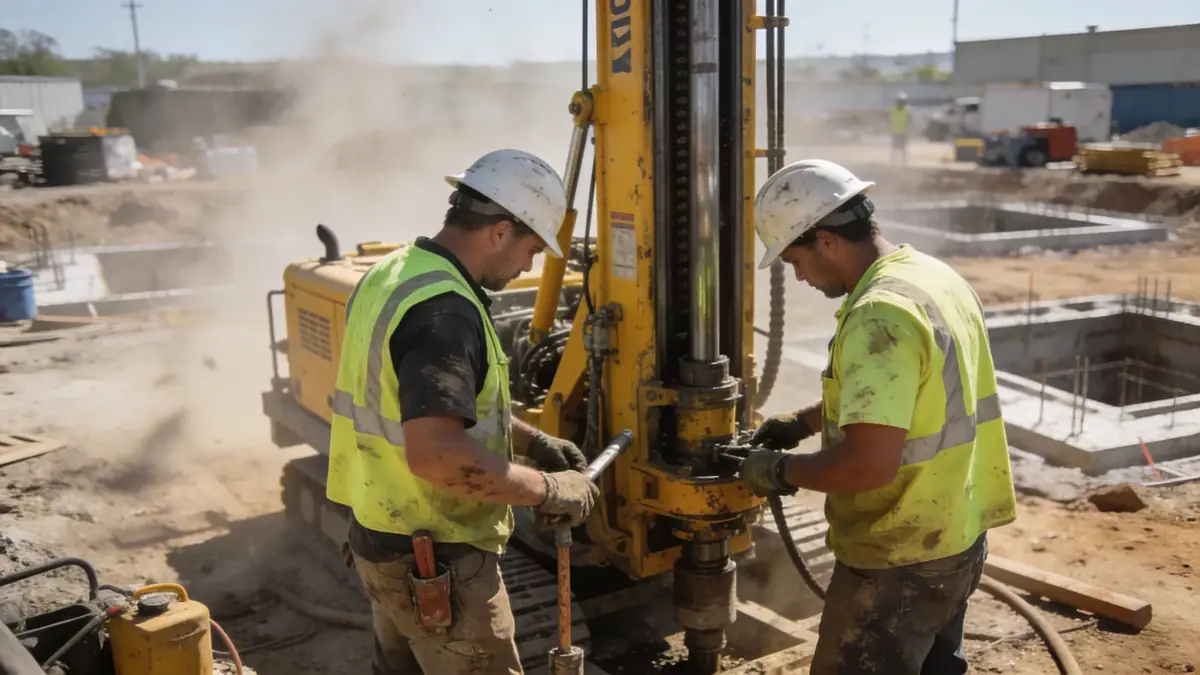
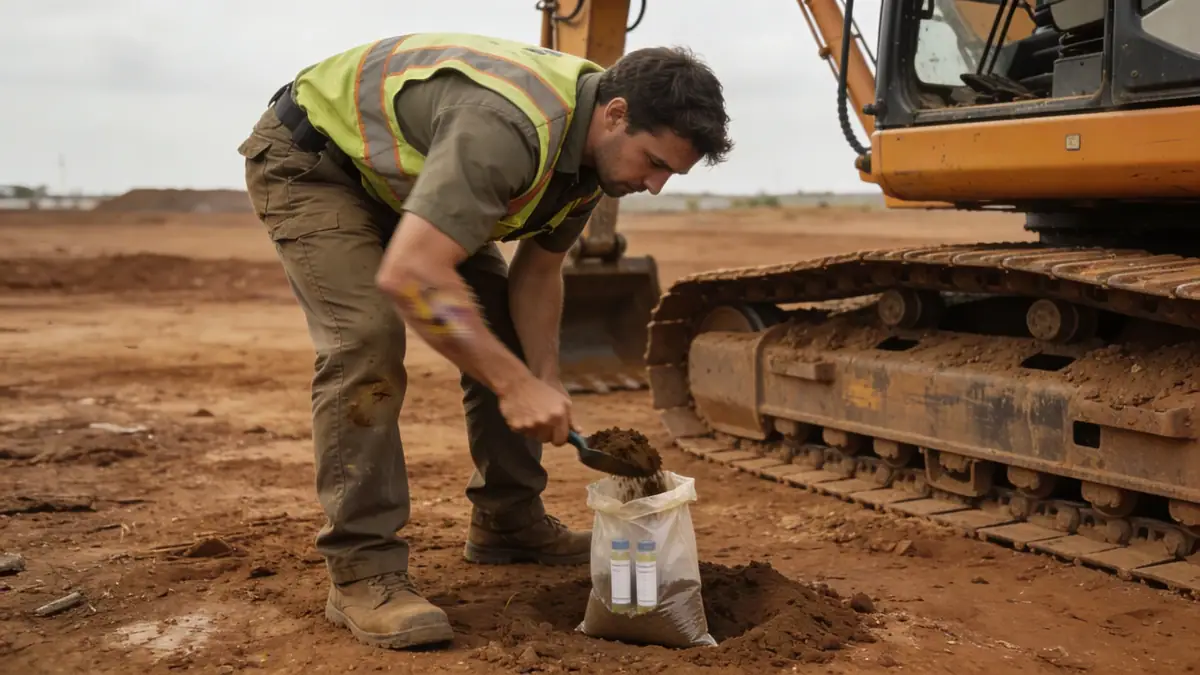
Our approach to geotechnical engineering in Springfield Illinois follows a phased investigation protocol. We begin with a desk study of USGS surficial geology maps and historical boring logs, then conduct field programs including spt boring per ASTM D1586 to characterize soil strata. Laboratory testing on representative samples quantifies index properties, strength, and consolidation behavior. Data synthesis produces site-specific recommendations for foundation design and earthwork, with continuous peer review by senior engineers. This methodology has been refined through numerous projects in Sangamon County, ensuring robust outcomes for residential, commercial, and infrastructure developments.
Reference Technical Parameters
| Parameter | Reference Value |
|---|---|
| Predominant soil type | Glacial till (silty clay with sand and gravel) |
| Maximum seismic acceleration (PGA) | 0.15g (ASCE 7-16) |
| Typical groundwater level | 3 to 6 meters below ground surface |
| Bedrock depth | 30 to 60 meters (Pennsylvanian shale/limestone) |
| Typical N60 range | 8 to 25 blows per 300 mm (glacial till) |
Local Considerations — Springfield Illinois
Springfield Illinois sits on Illinoian glacial till overlying Pennsylvanian bedrock, with localized outwash deposits near the Sangamon River. Five key considerations govern geotechnical engineering in Springfield Illinois: (1) variable till density causes differential settlement; (2) shallow groundwater (3–6 m) requires dewatering for excavations; (3) seismic site class D (stiff soil) per ASCE 7-16 with PGA 0.15g; (4) older downtown fills may contain debris; (5) expansive clays in some areas affect slab-on-grade performance. Our team leverages slope stability analysis for sites near river bluffs. For regional context, we collaborate with geotechnical engineering en Chicago to align with statewide practices.
Request a Quote
Our team reviews your project and issues an initial report at no cost.
Or write us directly at [email protected]
Services in Springfield Illinois
Applicable Standards
- ASTM D1586 (Standard Test Method for SPT)
- ASCE 7-16 (Minimum Design Loads for Buildings)
- IBC 2021 (International Building Code)
- Illinois Department of Transportation Geotechnical Manual
Frequently Asked Questions
What soil types are common in Springfield Illinois for geotechnical engineering?
Springfield Illinois predominantly features glacial till—a dense mixture of clay, silt, sand, and gravel deposited during the Illinoian glaciation. Alluvial deposits exist near the Sangamon River, while man-made fill is present in older urban areas. Understanding these variations is critical for foundation design.
Does Springfield Illinois require seismic design for geotechnical engineering?
Yes, per ASCE 7-16, Springfield Illinois has a seismic design category B with a peak ground acceleration of 0.15g. Site-specific geotechnical investigations are needed to determine soil site class and liquefaction potential, ensuring compliance with IBC 2021.
Are geotechnical studies mandatory for construction in Springfield Illinois?
While not always legally required for all projects, most local building authorities in Sangamon County recommend or require geotechnical reports for commercial and multi-family structures. Lenders and insurers often mandate them to mitigate risk. Our team advises early engagement to avoid delays.