Methodology
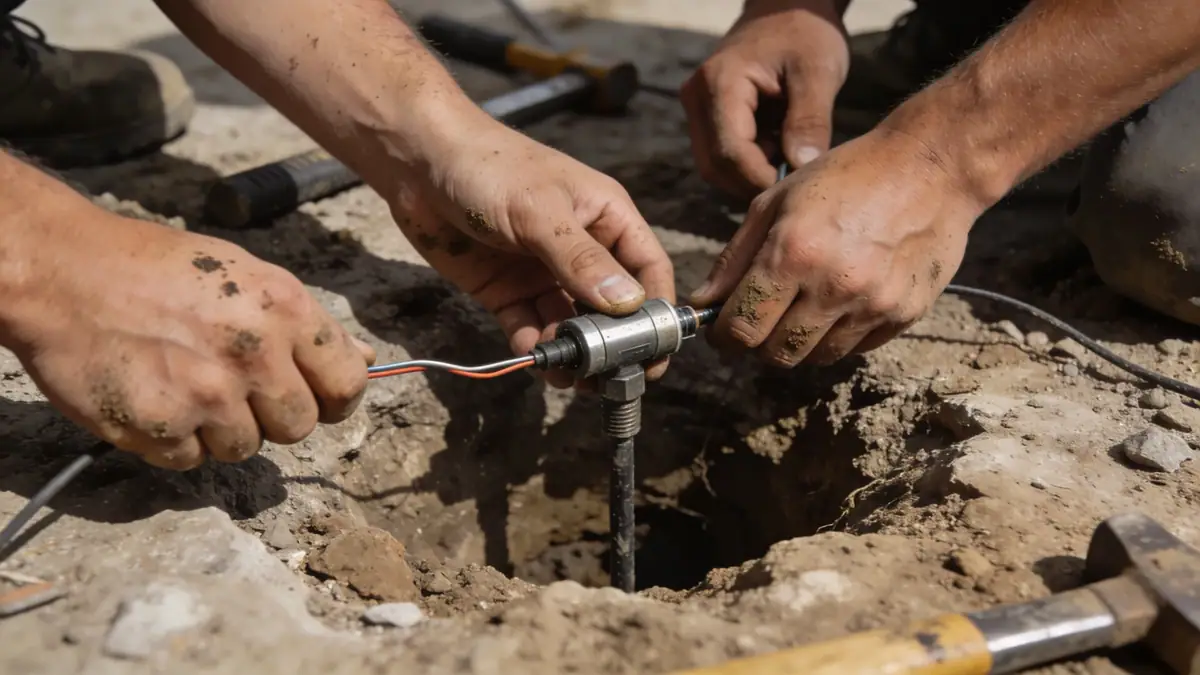
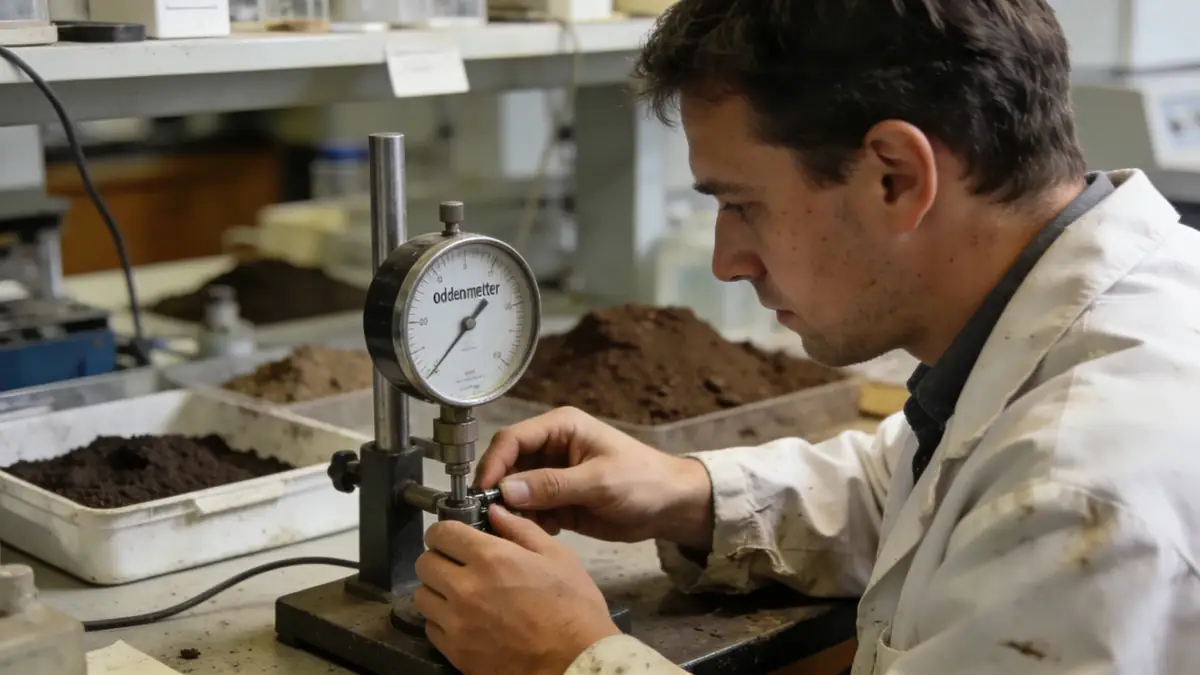
Our methodology for geotechnical engineering in Springfield Missouri begins with a thorough desktop study of existing geological maps and records. We then conduct field investigations, including spt boring to standard penetration test (SPT) depths of 10 to 20 meters per ASTM D1586, supplemented by soil sampling for laboratory analysis. Our approach incorporates continuous groundwater monitoring and seismic hazard assessment per ASCE 7. All data are integrated into a comprehensive geotechnical report that addresses foundation design, slope stability, and earthworks specifications.
Reference Technical Parameters
| Parameter | Reference Value |
|---|---|
| Predominant soil type | Silty clay and clayey loess over limestone bedrock |
| Maximum seismic acceleration (PGA) | 0.15 g (ASCE 7, Site Class D) |
| Typical groundwater level | 3 to 6 meters below ground surface |
| Bedrock depth | 10 to 25 meters |
| Typical N60 range | 5 to 30 blows per 0.3 m |
Local Considerations — Springfield Missouri
Springfield Missouri lies within the Ozark Plateau, characterized by residual soils underlain by Mississippian limestone. Our team notes that shallow bedrock is common in the northern parts, while deeper soil profiles exist near the James River. Seismic activity is low to moderate, but site-specific acceleration values per ASCE 7 are considered. Local regulations require geotechnical investigations for most commercial buildings. For projects requiring specialized analysis, we refer to our soil mechanics laboratory services. Our familiarity with regional conditions enables efficient design for foundations and earthworks.
Request a Quote
Our team reviews your project and issues an initial report at no cost.
Or write us directly at [email protected]
Services in Springfield Missouri
Applicable Standards
- ASTM D1586
- ASCE 7
- International Building Code (IBC)
- Missouri State Building Code
Frequently Asked Questions
What are the typical soil conditions encountered in Springfield Missouri?
Soils in Springfield Missouri generally consist of silty clay and clayey loess, often overlying limestone bedrock. These soils can be expansive, requiring careful moisture control during construction. Groundwater levels are typically shallow in valley areas, while bedrock depths vary from 10 to 25 meters.
Is a geotechnical study required for residential construction in Springfield Missouri?
While not always mandatory for single-family homes, a geotechnical study is strongly recommended due to variable subsurface conditions. Local building officials may require one for homes with basements or on steep slopes. Our firm provides cost-effective investigations to identify potential issues early.
What seismic design considerations apply in Springfield Missouri?
Springfield Missouri is in Seismic Design Category B per ASCE 7, with a maximum considered earthquake spectral response acceleration of about 0.15 g. Although seismic risk is moderate, our team incorporates site-specific ground motion analysis for critical structures to ensure compliance with code requirements.