
Methodology
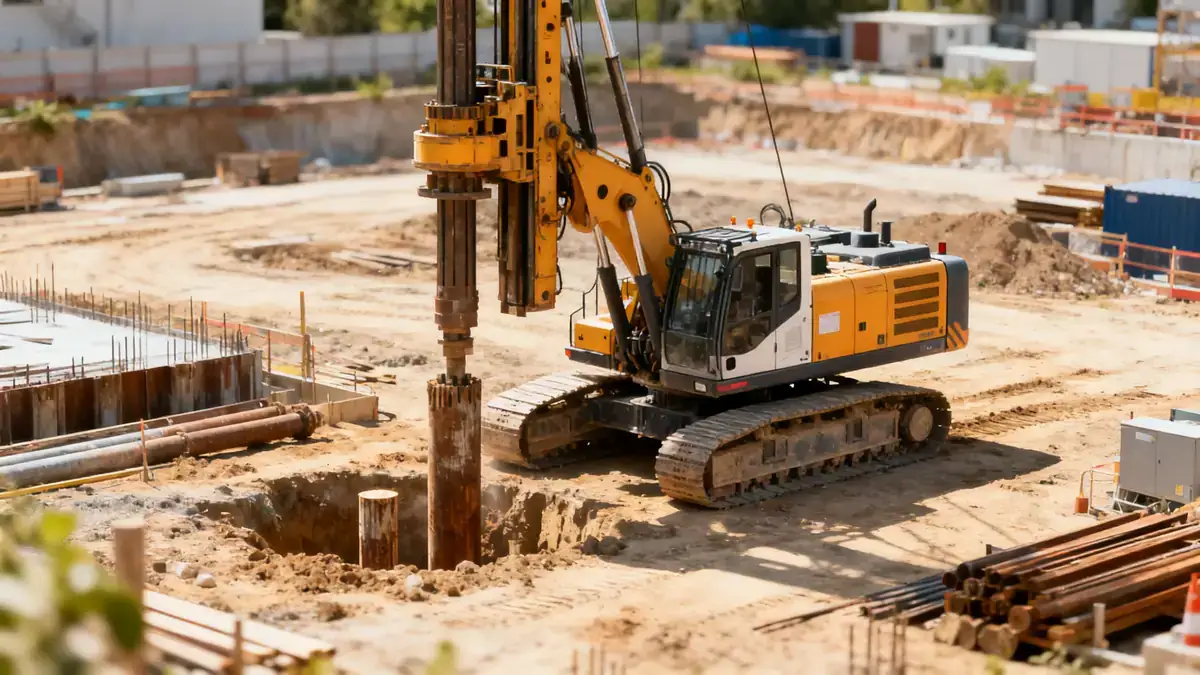
Our methodology for geotechnical engineering in Sunnyvale begins with a comprehensive review of existing geological data and site history. We then perform field investigations, including spt boring at strategic locations to characterize soil stratification and obtain undisturbed samples. Laboratory testing follows, with index properties and strength parameters determined per ASTM standards. Analysis incorporates local seismic hazard data and groundwater conditions. Our team integrates these findings into actionable recommendations for foundations, earthworks, and slope stability, adhering to California Building Code and local ordinances.
Reference Technical Parameters
| Parameter | Reference Value |
|---|---|
| Predominant soil type | Silty clay and sandy gravel (alluvial deposits) |
| Maximum seismic acceleration (PGA) | 0.4g to 0.6g (Site Class D, per ASCE 7) |
| Typical groundwater level | 3 to 8 meters below ground surface (seasonal variation) |
| Bedrock depth | 15 to 30 meters (Franciscan Complex) |
| Typical N60 range (SPT) | 10 to 40 blows per foot (variable) |
Local Considerations — Sunnyvale
Sunnyvale lies on the alluvial plains of the Santa Clara Valley, with soils primarily composed of silty clays and sandy gravels overlaying the Franciscan Complex bedrock. The region experiences high seismicity due to the nearby San Andreas and Hayward faults, with peak ground accelerations reaching 0.6g. Shallow groundwater can complicate excavations and require dewatering. Seasonal moisture variations affect expansive clay behavior. For projects requiring specialized analysis, our team coordinates with our soil mechanics laboratory to deliver precise soil characterization. Our firm also serves as a regional hub, with our geotechnical engineering en Los Angeles office providing support for larger-scale developments.
Request a Quote
Our team reviews your project and issues an initial report at no cost.
Or write us directly at [email protected]
Services in Sunnyvale
Applicable Standards
- ASTM D1586 (Standard Test Method for SPT)
- ASCE 7 (Minimum Design Loads for Buildings)
- California Building Code (CBC) 2022
- City of Sunnyvale Municipal Code (Chapter 16 – Grading and Excavation)
Frequently Asked Questions
What soil types are commonly encountered in Sunnyvale?
Sunnyvale's subsurface typically consists of alluvial deposits: silty clays, sandy gravels, and occasional clayey sands. These soils are influenced by historical creek channels and seasonal moisture changes, requiring careful characterization for foundation design.
How does seismic activity affect geotechnical engineering in Sunnyvale?
Sunnyvale is in a high-seismic zone with potential ground accelerations up to 0.6g. Geotechnical evaluations must address liquefaction susceptibility, site amplification, and fault rupture hazards, following ASCE 7 and CBC provisions for seismic design.
Are geotechnical studies mandatory for construction in Sunnyvale?
Yes, the City of Sunnyvale requires geotechnical reports for most new construction and significant alterations. The study must comply with CBC Chapter 18 and local grading ordinances, covering soil strength, groundwater, and seismic conditions.