Methodology
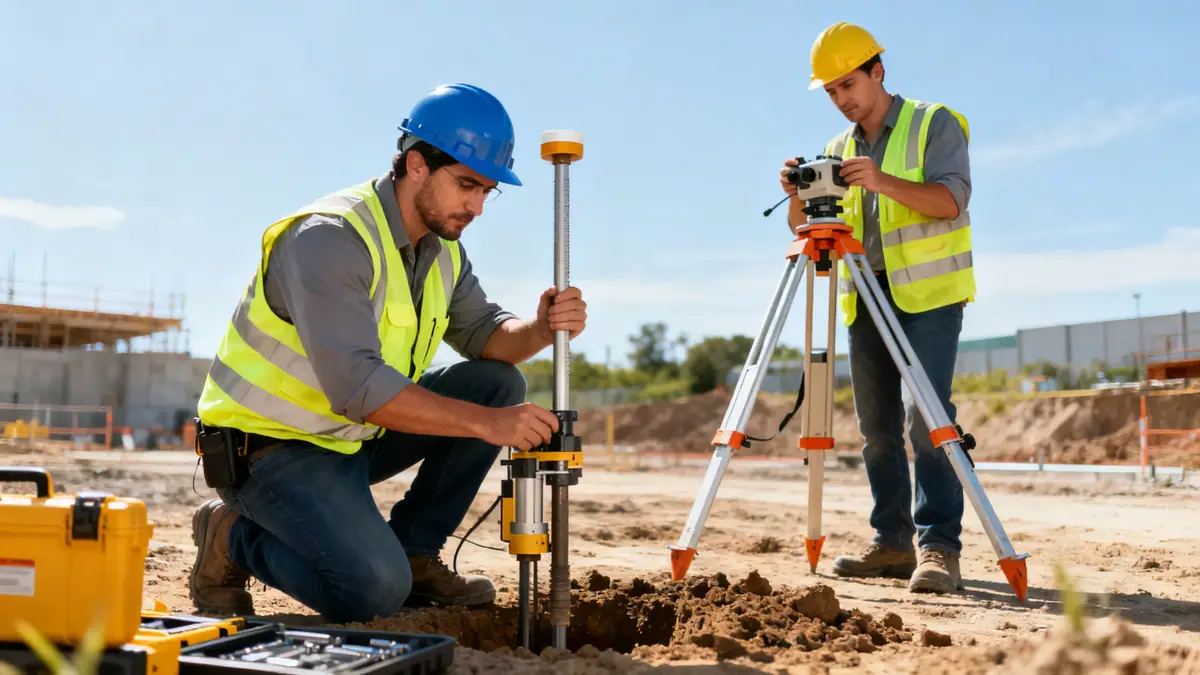
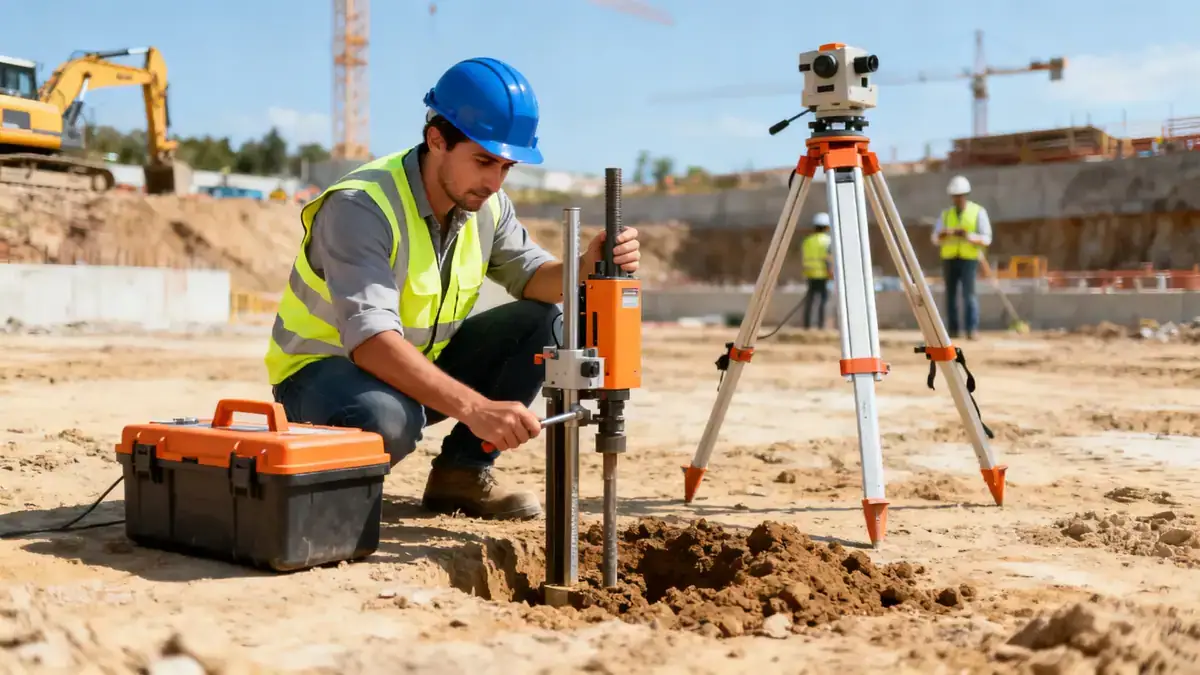
Our methodology for geotechnical engineering in Surprise begins with a thorough review of existing geologic maps and site history. We then conduct field investigations, including spt boring at depths of 8 to 15 meters for residential structures, following ASTM D1586 standards. Samples are retrieved at 1.5-meter intervals and tested in our soil mechanics laboratory for index properties, strength, and compressibility. This data informs our analysis of bearing capacity, settlement, and seismic site classification per ASCE 7. Our approach is tailored to Surprise's unique soil profiles, ensuring reliable and cost-effective foundation solutions.
Reference Technical Parameters
| Parameter | Reference Value |
|---|---|
| Predominant soil type | Silty sand (SM) and clayey sand (SC) with expansive clay lenses |
| Maximum seismic acceleration (PGA) | 0.30g (ASCE 7-16, Site Class D) |
| Typical groundwater level | 3–8 meters below ground surface |
| Bedrock depth | > 30 meters (deep alluvium) |
| Typical N60 range (SPT) | 10–30 blows per 0.3 m (upper 6 m); 30–50+ below |
Local Considerations — Surprise Arizona
Surprise's geology is dominated by alluvial fan deposits from the White Tank Mountains, resulting in interbedded sands, silts, and clays. Expansive soils in the northern and western parts require special foundation treatments. Seismic hazard is moderate, with a PGA of 0.30g, necessitating compliance with ASCE 7 for site classification. Local regulations often mandate geotechnical reports for new construction, especially in areas with high groundwater. Our team coordinates with city officials and references our geotechnical engineering en Phoenix hub for regional context. Typical challenges include collapsible soils and variable fill conditions from past agricultural use.
Request a Quote
Our team reviews your project and issues an initial report at no cost.
Or write us directly at [email protected]
Services in Surprise Arizona
Applicable Standards
- ASTM D1586 (Standard Penetration Test)
- ASCE 7-16 (Minimum Design Loads and Associated Criteria for Buildings)
- IBC 2018 (International Building Code)
- Arizona State Standards for Geotechnical Investigations
- Surprise City Code Chapter 15 (Building Regulations)
Frequently Asked Questions
What are the most common soil types encountered in Surprise, Arizona?
The predominant soil types are silty sands (SM) and clayey sands (SC), often with expansive clay lenses. These soils are derived from alluvial fan deposits and can vary significantly over short distances, requiring careful site-specific investigation.
Does Surprise, Arizona have specific seismic design requirements?
Yes, Surprise is in Seismic Design Category D per ASCE 7-16, with a maximum considered earthquake (MCE) spectral acceleration of 0.30g. Geotechnical reports must include site class determination and liquefaction assessment for critical structures.
Are geotechnical studies mandatory for residential construction in Surprise?
While not always mandatory for single-family homes on undisturbed sites, many subdivisions and municipalities require a geotechnical report. For hillside lots or areas with known expansive soils, a study is typically required to ensure proper foundation design.