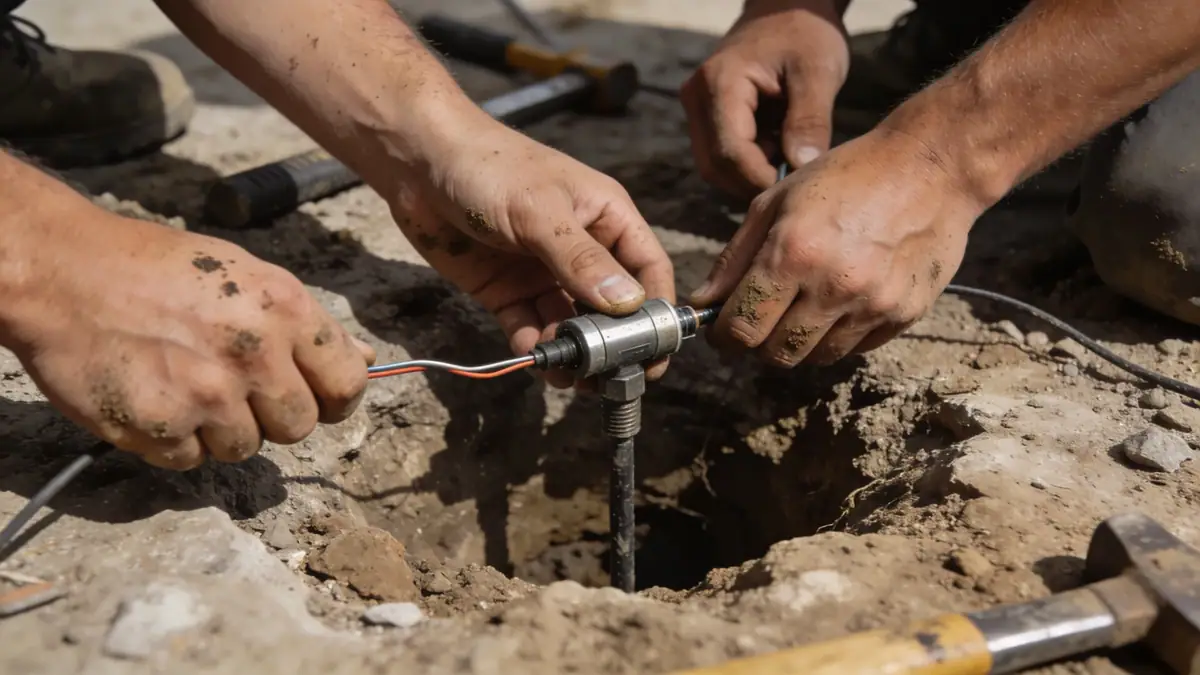
Methodology
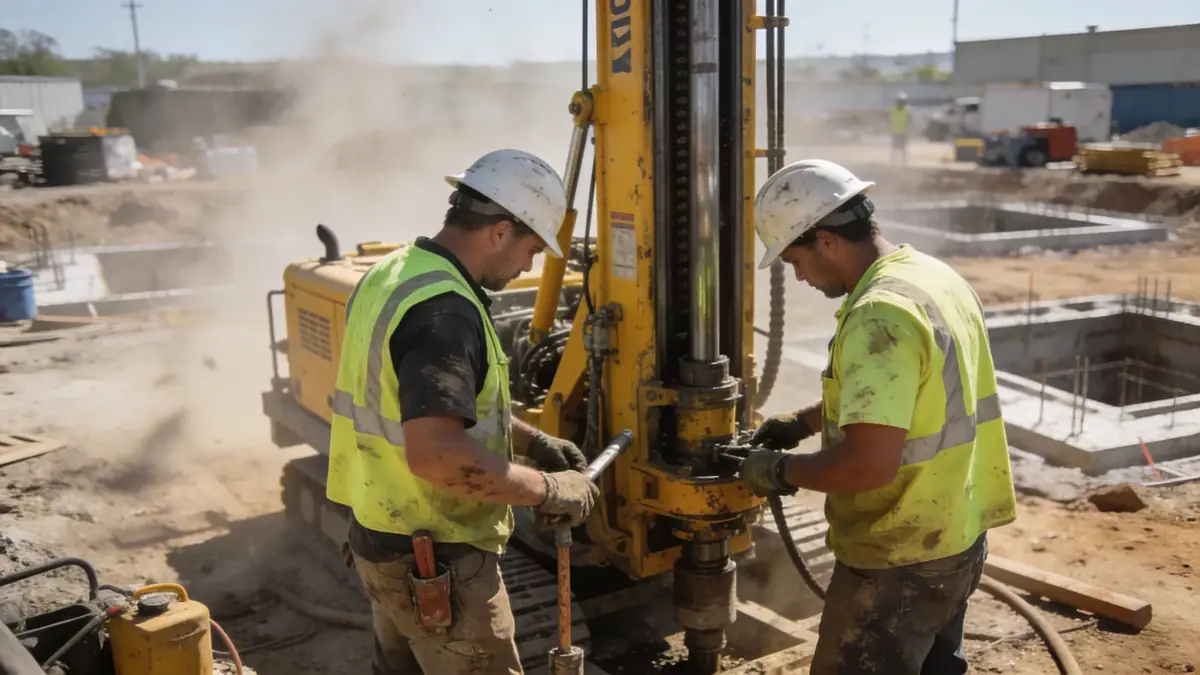
Our approach to geotechnical engineering in Tacoma begins with a detailed review of existing geologic maps and records. We then conduct field investigations including spt boring to obtain disturbed and undisturbed soil samples at regular intervals, typically every 1.5 m per ASTM D1586. In situ testing such as cone penetration testing (CPT) provides continuous soil behavior type data. Laboratory testing on representative samples determines index properties, strength, and consolidation characteristics. This integrated methodology allows us to develop a reliable subsurface model for each site, informing foundation recommendations and earthwork specifications.
Reference Technical Parameters
| Parameter | Reference Value |
|---|---|
| Predominant soil type | Glacial till and alluvial deposits |
| Maximum seismic acceleration (PGA) | 0.4g (MCE, per ASCE 7) |
| Typical groundwater level | 2–5 m below ground surface |
| Bedrock depth | 15–30 m (variable) |
| Typical N60 range | 10–50 blows/0.3 m |
Local Considerations — Tacoma
Tacoma's geology is dominated by glacial till, recessional outwash, and alluvial deposits, resulting in variable soil conditions. The shallow groundwater table, often within 2–5 m of the surface, complicates excavations and requires dewatering for deep foundations. Seismic hazard is significant due to the Cascadia subduction zone and local crustal faults; peak ground accelerations can reach 0.4g per ASCE 7. Soils are prone to liquefaction in saturated loose sand layers, especially near the Puyallup River. Our team integrates these factors into every project, leveraging our soil mechanics laboratory for detailed site-specific testing. For broader regional context, refer to our geotechnical engineering in Seattle page.
Request a Quote
Our team reviews your project and issues an initial report at no cost.
Or write us directly at [email protected]
Services in Tacoma
Applicable Standards
- ASTM D1586 (Standard Test Method for Standard Penetration Test)
- ASCE 7 (Minimum Design Loads and Associated Criteria for Buildings)
- International Building Code (IBC) with Washington State Amendments
Frequently Asked Questions
What types of soil are typical in Tacoma?
Tacoma's subsurface consists mainly of glacial till (dense silty sand and gravel), alluvial deposits (loose sand and silt), and occasional organic layers. These variations require careful site-specific investigation for foundation design.
How does seismic design apply to projects in Tacoma?
Tacoma falls within a high seismic region. Per ASCE 7, site-specific spectral accelerations are determined based on soil classification. Our geotechnical reports provide design parameters including PGA, spectral accelerations, and liquefaction potential.
Are geotechnical studies mandatory for construction in Tacoma?
Yes, local building codes require geotechnical investigations for most structures, especially in areas with known seismic or groundwater concerns. The scope depends on project size and site conditions.