Methodology
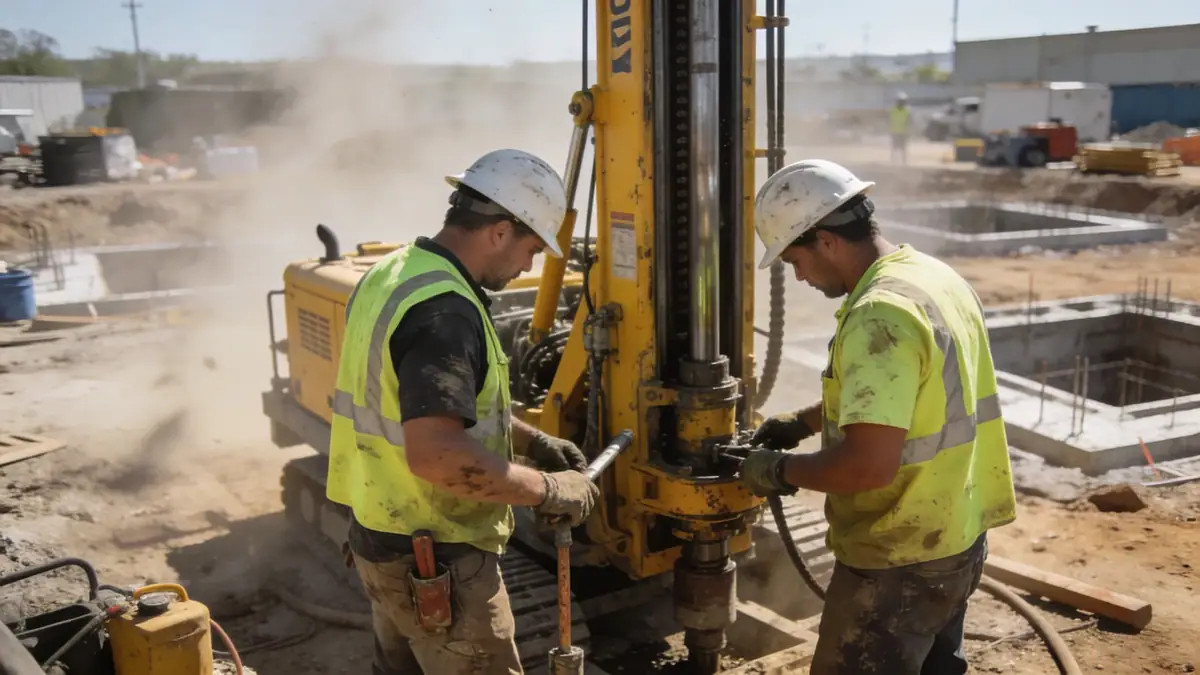
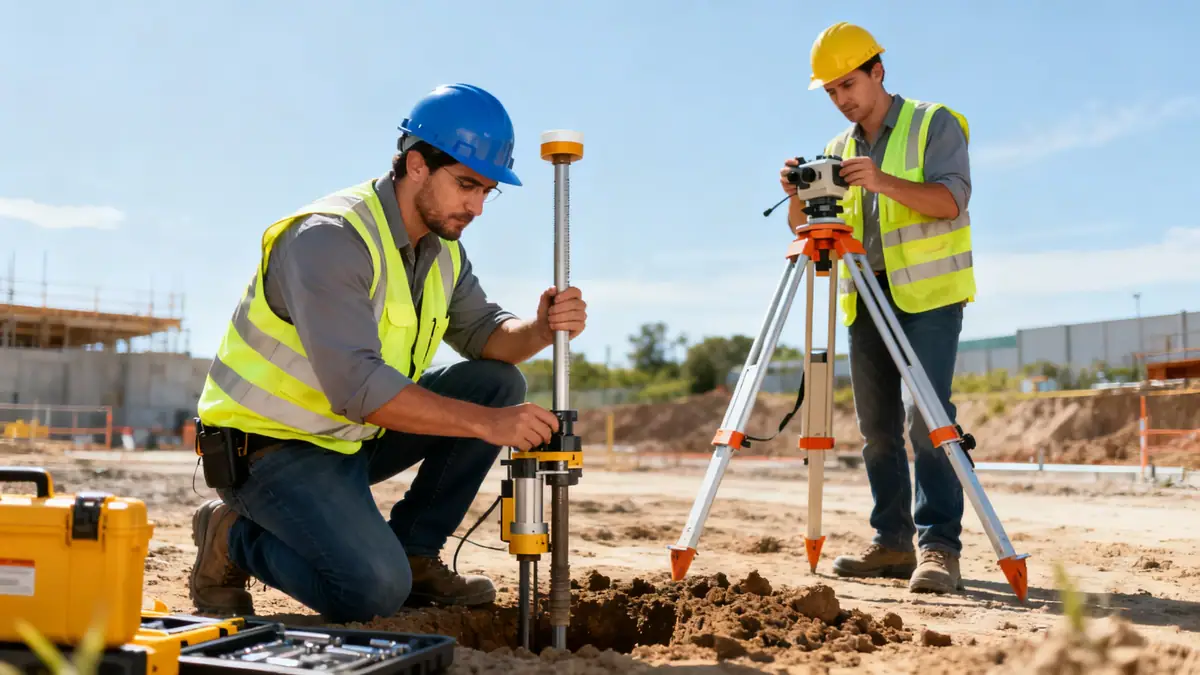
Our methodology for geotechnical engineering in Tallahassee integrates field exploration, laboratory testing, and analytical modeling. We employ spt boring to sample soils and measure standard penetration resistance, supplemented by cone penetration tests for continuous profiling. Laboratory programs include index properties, strength, and consolidation tests per ASTM standards. Seismic hazard assessments follow ASCE 7-22 to determine design ground motions. Our approach ensures reliable characterization of the variable subsurface conditions typical of Tallahassee, from shallow sands to deeper clay layers, supporting safe and economical foundation design.
Reference Technical Parameters
| Parameter | Reference Value |
|---|---|
| Predominant soil type | Sands and clays with interbedded limestone |
| Maximum seismic acceleration (PGA) | 0.15 g (ASCE 7-22, Site Class C) |
| Typical groundwater level | 1.5–4.5 m below ground surface |
| Bedrock depth | 10–30 m (limestone of the Suwannee Formation) |
| Typical N60 range | 4–30 blows/0.3 m |
Local Considerations — Tallahassee
Tallahassee’s subsurface is heavily influenced by karst topography, with sinkholes posing risks to foundations. The high water table requires dewatering considerations for excavations. Seismic design follows moderate PGA values (0.15 g) per ASCE 7-22. Our team has addressed these challenges in diverse projects, from state government buildings to residential developments. For broader regional context, our geotechnical engineering services from Atlanta leverage experience across the Southeast, including Tallahassee’s unique geology.
Request a Quote
Our team reviews your project and issues an initial report at no cost.
Or write us directly at [email protected]
Services in Tallahassee
Applicable Standards
- ASTM D1586
- ASCE 7-22
- ASTM D2487 (Unified Soil Classification System)
- Florida Building Code (7th Edition, 2023)
Frequently Asked Questions
What are the dominant soil types in Tallahassee?
Tallahassee soils are primarily sands and clays overlying limestone bedrock of the Suwannee Formation. The upper layers often consist of fine sands and silty clays, with variable thickness. Understanding this stratigraphy is critical for foundation design, as compressible clays can lead to settlement issues.
Is seismic design required in Tallahassee?
Yes, per ASCE 7-22, Tallahassee falls within a moderate seismic zone with a peak ground acceleration (PGA) of 0.15 g. Site-specific seismic hazard analyses are recommended for critical structures, particularly where soil amplification may occur due to soft clay layers or high groundwater.
Are geotechnical investigations mandatory for construction in Tallahassee?
The Florida Building Code requires geotechnical investigations for most commercial and multi-family residential projects. For single-family homes, recommendations are often provided based on local experience. Our team ensures compliance with local regulations, including sinkhole risk assessments in karst-prone areas.