Methodology
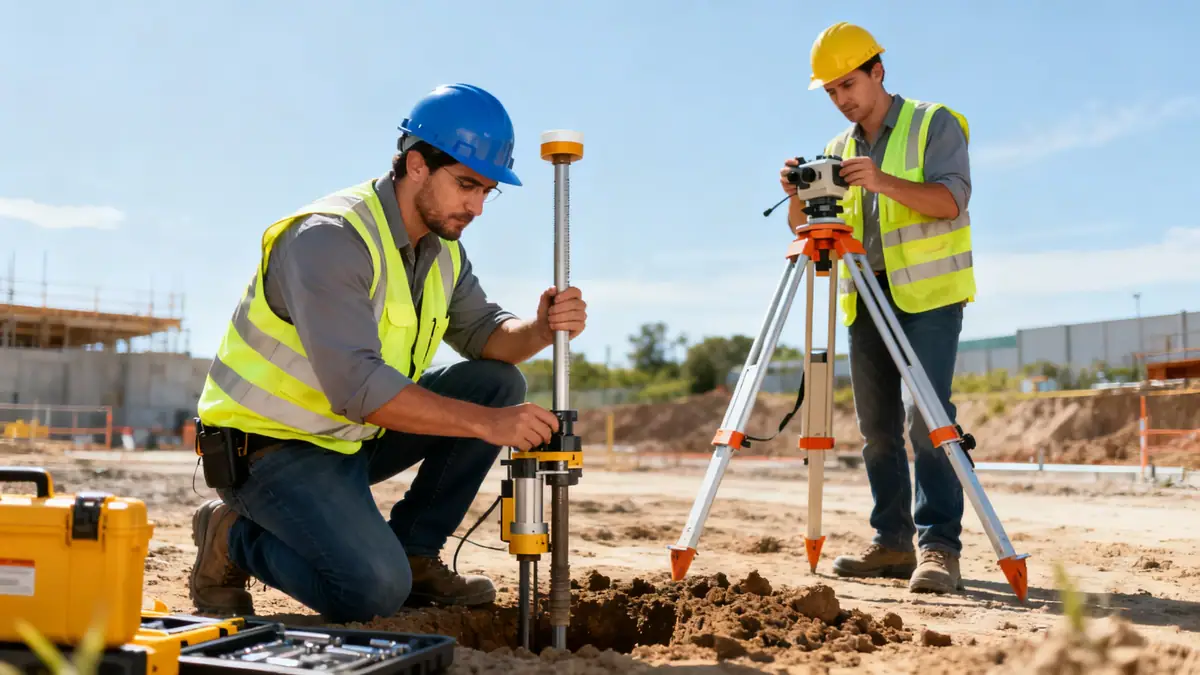
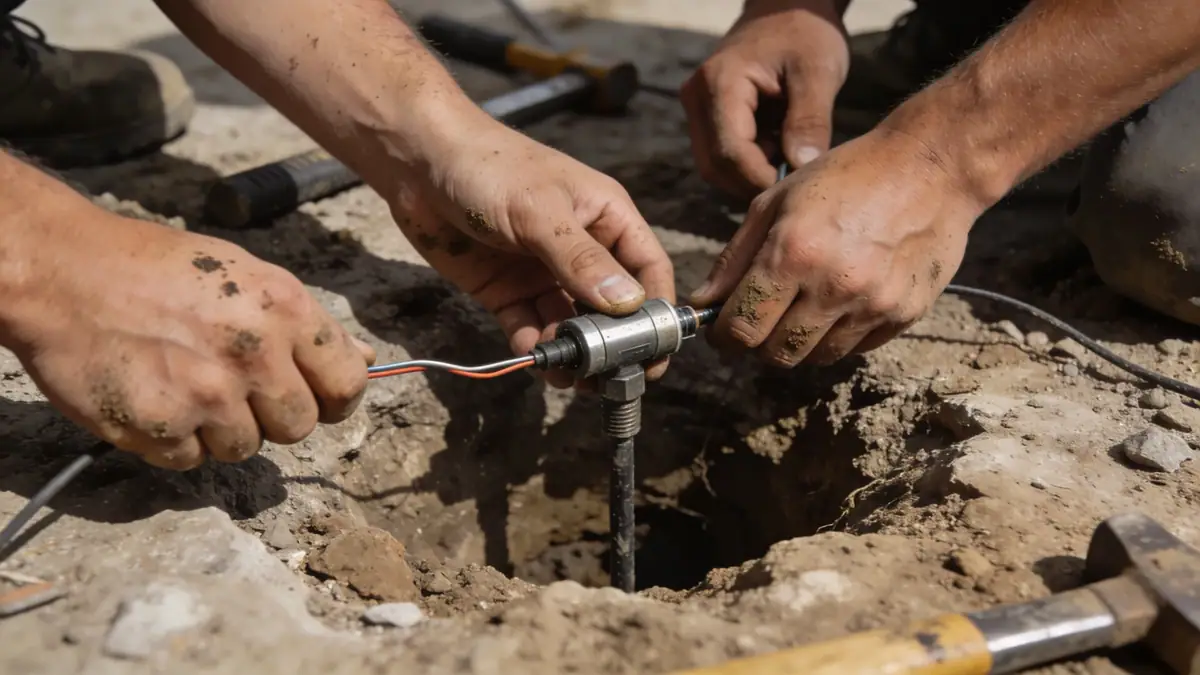
Our approach to geotechnical engineering in Tampa Florida integrates field exploration, laboratory testing, and analytical modeling. We conduct standard penetration tests (SPT) per ASTM D1586 at intervals of 1.0 to 1.5 meters, typically reaching depths of 8 to 15 meters for residential structures and up to 30 meters for industrial projects. Soil samples are analyzed in our soil mechanics laboratory for index properties, strength, and consolidation characteristics. This methodology provides a robust basis for foundation design, slope stability assessments, and earthwork recommendations tailored to Tampa's coastal geology.
Reference Technical Parameters
| Parameter | Reference Value |
|---|---|
| Predominant soil type | Sands, silty sands, and clayey sands (SP, SM, SC) |
| Maximum seismic acceleration (PGA) | 0.15g to 0.20g (ASCE 7, Site Class D) |
| Typical groundwater level | 1.5 to 4.5 meters below ground surface |
| Bedrock depth | >30 meters (limestone formations at depth) |
| Typical N60 range | 5 to 30 blows/0.3m (loose to medium dense sands) |
Local Considerations — Tampa Florida
Tampa Florida's geological setting features Quaternary sands and clays overlying limestone bedrock. Shallow groundwater (1.5–4.5 m) requires dewatering plans for excavations. Seismic hazard is moderate (PGA 0.15–0.20g), per ASCE 7. Downtown and coastal areas may have thicker fill or organic layers, while inland neighborhoods show denser sands. Typical projects include residential foundations on shallow footings or piles where loose sands are present. For comparison, our team also provides geotechnical engineering in Miami, where subsurface conditions differ significantly due to limestone near surface.
Request a Quote
Our team reviews your project and issues an initial report at no cost.
Or write us directly at [email protected]
Services in Tampa Florida
Applicable Standards
- ASTM D1586
- ASCE 7
- IBC (International Building Code)
- Florida Building Code (FBC)
- ASTM D2487 (Unified Soil Classification System)
Frequently Asked Questions
What soil types are most common in Tampa Florida?
Tampa's subsurface is dominated by sands, silty sands, and clayey sands (SP, SM, SC) from Quaternary deposits. These soils are generally loose to medium dense, with N60 values ranging from 5 to 30. Groundwater is shallow, typically 1.5 to 4.5 meters deep, which influences foundation design and construction methods.
Is seismic design required for geotechnical projects in Tampa Florida?
Yes, per ASCE 7 and the Florida Building Code, seismic design is required in Tampa Florida due to moderate seismic hazard. The maximum considered earthquake (MCE) spectral acceleration for short periods (Ss) ranges from 0.15g to 0.20g for Site Class D. Geotechnical reports must include site classification and liquefaction potential assessments.
Are geotechnical studies mandatory for construction in Tampa Florida?
For most commercial and multi-family residential projects, geotechnical studies are required by the Florida Building Code to ensure foundation safety and compliance. Single-family homes may not be mandatory, but are strongly recommended due to variable soil conditions and high groundwater. Our firm provides site-specific recommendations to mitigate risks.