Methodology
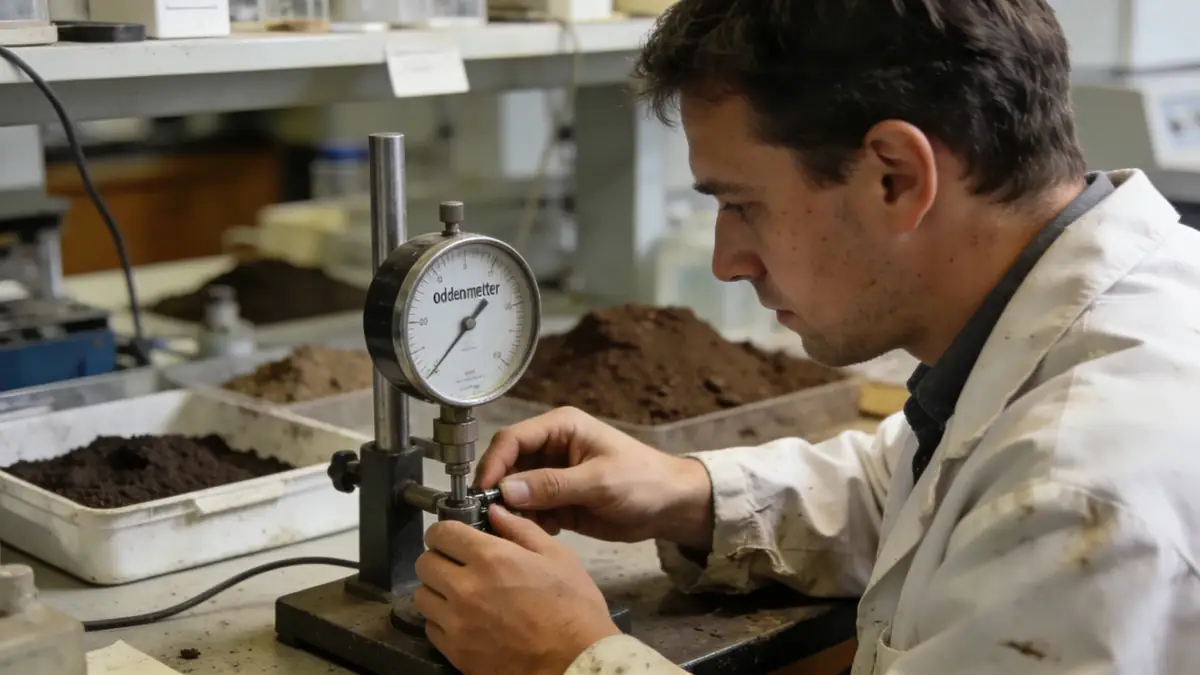
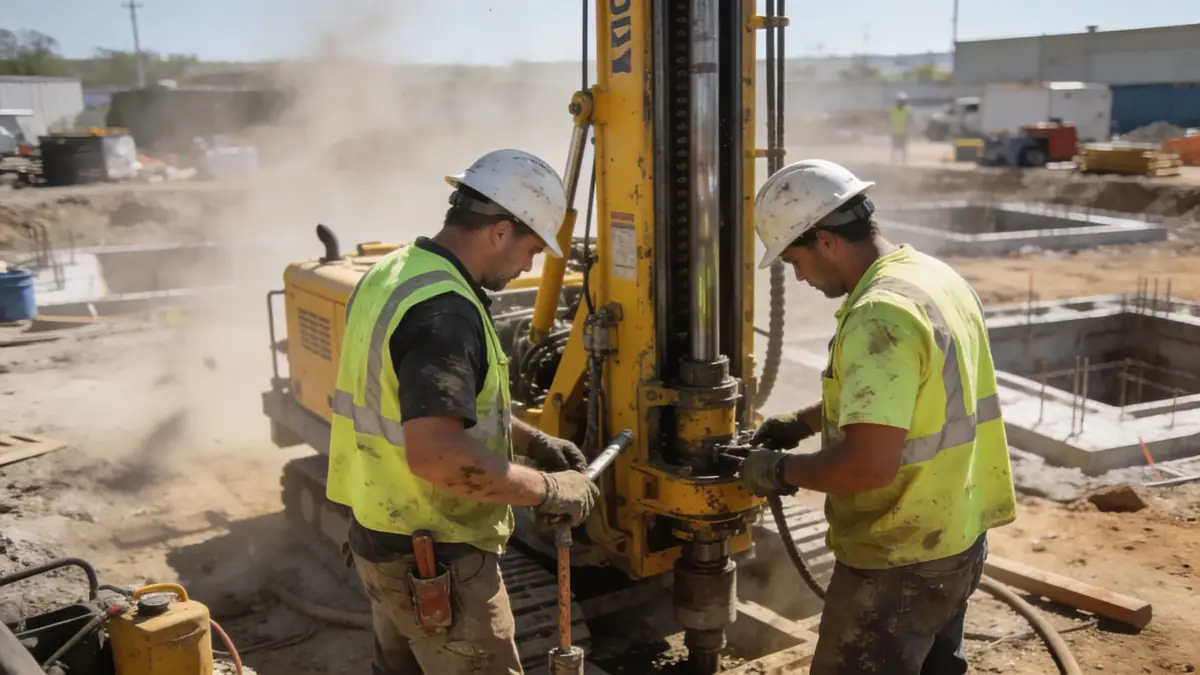
Our team employs a phased approach to geotechnical engineering in Tampa. We begin with a detailed review of existing geological maps and nearby boring logs, followed by a field exploration program typically involving spt boring at 1.5 m intervals per ASTM D1586. Soil samples are classified using the Unified Soil Classification System (USCS) and tested for moisture content, unit weight, and strength parameters. Laboratory tests include grain size analysis, Atterberg limits, and direct shear or triaxial compression. We integrate these data to develop a site-specific geotechnical model, addressing foundation settlement, liquefaction potential, and lateral earth pressures. Our methodology ensures that design recommendations are founded on reliable subsurface characterization.
Reference Technical Parameters
| Parameter | Reference Value |
|---|---|
| Predominant Soil Type | Sand (SP, SP-SM) with clay layers (CL) |
| Maximum Seismic Acceleration (PGA) | 0.05g (ASCE 7-16, Site Class D) |
| Typical Groundwater Level | 2–5 ft below grade |
| Bedrock Depth | Variable; limestone at 20–100 ft |
| Typical N60 Range (SPT) | 5–30 blows/ft for sand |
Local Considerations — Tampa
Tampa's geology is dominated by sandy soils with shallow limestone, leading to potential for sinkholes and differential settlement. The high water table requires dewatering considerations for excavations and below-grade structures. Our team has extensive experience with these conditions, having completed numerous projects across neighborhoods such as South Tampa, New Tampa, and downtown. We also coordinate with local regulatory agencies to ensure compliance with Florida Building Code requirements. For clients with projects elsewhere in the state, our geotechnical engineering en Miami office provides similar expertise for South Florida's unique coastal environment. Additionally, our soil mechanics laboratory supports all Tampa projects with on-time testing and analysis.
Request a Quote
Our team reviews your project and issues an initial report at no cost.
Or write us directly at [email protected]
Services in Tampa
Applicable Standards
- ASTM D1586 (Standard Penetration Test)
- ASCE 7-16 (Minimum Design Loads for Buildings)
- Florida Building Code (FBC) 2023
- ASTM D2487 (Classification of Soils for Engineering Purposes)
Frequently Asked Questions
What are the predominant soil types found in Tampa, Florida?
Tampa's near-surface soils consist mainly of fine to medium sands (SP, SP-SM) with occasional clay lenses (CL). Underlying these are limestone formations of the Hawthorne Group, which can be highly variable in depth and quality.
Is a geotechnical study required for residential construction in Tampa?
Yes, the Florida Building Code requires a geotechnical investigation for most new structures, including residential buildings. The study must address bearing capacity, settlement, and groundwater conditions to ensure safe foundation design.
How does Tampa's seismic hazard affect foundation design?
Tampa has a low seismic hazard (PGA ≈ 0.05g), but liquefaction potential in loose saturated sands must be evaluated per ASCE 7-16. Our analyses include cyclic resistance and post-earthquake settlement checks.