Methodology
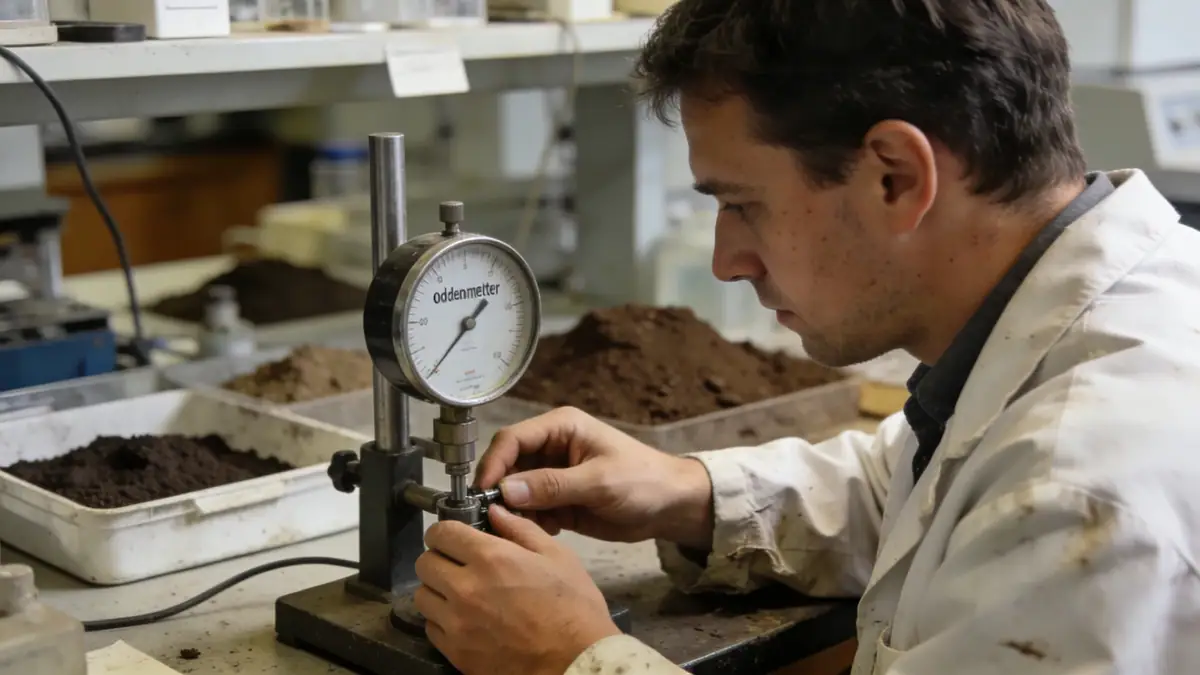
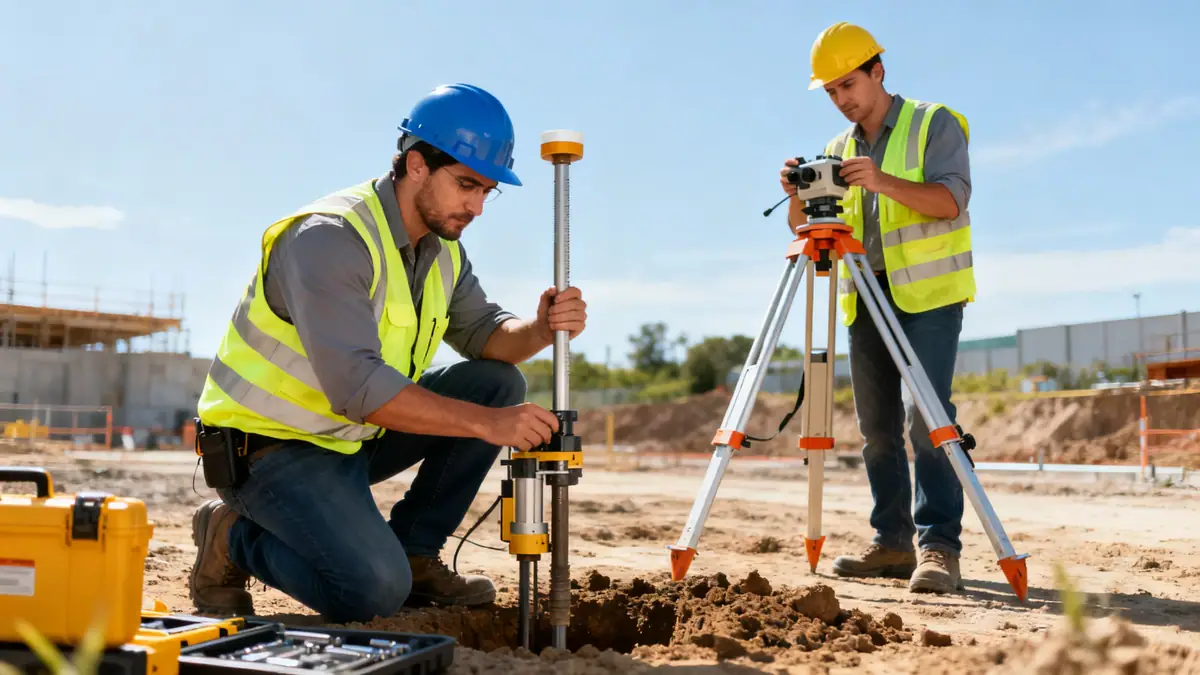
Our methodology integrates standard penetration testing (SPT) per ASTM D1586 with continuous sampling to characterize Tempe's variable soil profiles. We combine SPT blow counts with laboratory classification—including grain size analysis (ASTM D6913) and Atterberg limits—to assign soil types and estimate bearing capacity. In seismic zones, we perform shear wave velocity measurements and evaluate liquefaction potential using cyclic resistance ratios. For detailed profiling, we offer cone penetration testing (CPT) with pore pressure readings. Our spt boring services provide N60 values at 1.5 m intervals, typically to depths of 10–15 m for residential projects and up to 30 m for industrial sites.
Reference Technical Parameters
| Parameter | Reference Value |
|---|---|
| Predominant soil type | Sandy silts (ML) and poorly graded sands (SP) with gravel layers |
| Maximum seismic acceleration (PGA) | 0.25g (ASCE 7-16, Site Class C/D) |
| Typical groundwater level | 6–12 m below ground surface (varies seasonally) |
| Bedrock depth | >30 m (deep alluvial basin, no bedrock within typical boring depth) |
| Typical N60 range | 10–35 blows/0.3 m (sandy layers); 5–15 blows/0.3 m (clayey silts) |
Local Considerations — Tempe Arizona
Tempe's alluvial terraces and proximity to the Salt River create heterogeneous soil conditions. Expansive clays are present along the river corridor, requiring swell-consolidation testing for slab-on-grade foundations. In the Papago Park area, caliche layers may be encountered, demanding high-energy SPT or coring. Seismic design per ASCE 7-16 requires Site Class C or D, with liquefaction assessment in saturated sandy zones. Our team has extensive experience with these conditions, and we coordinate closely with the City of Tempe's building department. For regional context, our geotechnical engineering en Phoenix hub provides broader insights into the Valley of the Sun.
Request a Quote
Our team reviews your project and issues an initial report at no cost.
Or write us directly at [email protected]
Services in Tempe Arizona
Applicable Standards
- ASTM D1586 (Standard Penetration Test)
- ASCE 7-16 (Minimum Design Loads for Buildings)
- IBC 2021 (International Building Code)
- City of Tempe Grading and Drainage Ordinance
Frequently Asked Questions
What soil types are common in Tempe, Arizona?
Tempe's soils are primarily alluvial deposits from the Salt River, consisting of sandy silts, poorly graded sands, and gravelly layers. Clayey silts and expansive clays occur near the river, while caliche may be present in older terraces.
Does Tempe require seismic geotechnical studies?
Yes, per ASCE 7-16 and the IBC, seismic site classification and liquefaction assessment are mandatory for most structures in Tempe due to the region's moderate seismic hazard (PGA 0.25g). Our studies include shear wave velocity profiling and cyclic resistance analysis.
Are geotechnical reports required for residential projects in Tempe?
The City of Tempe typically requires a geotechnical report for new residential subdivisions and multi-story buildings. Single-family homes on lots with known soil issues may also need a report. We recommend consulting the building department for project-specific requirements.