Methodology
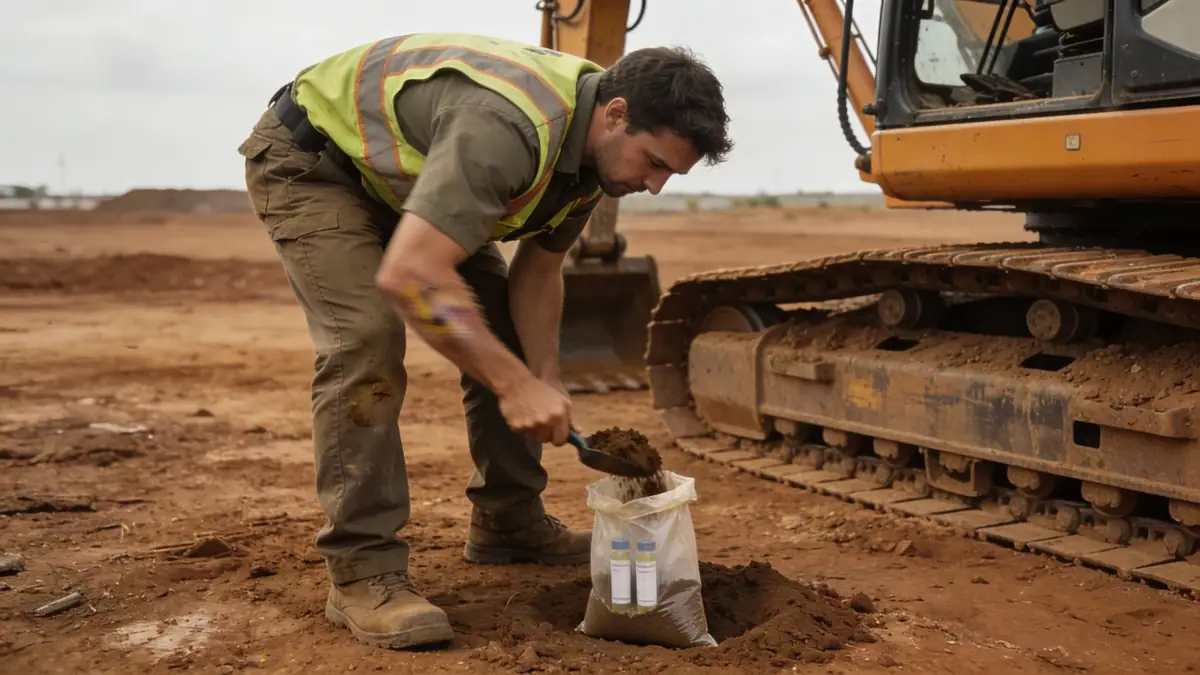
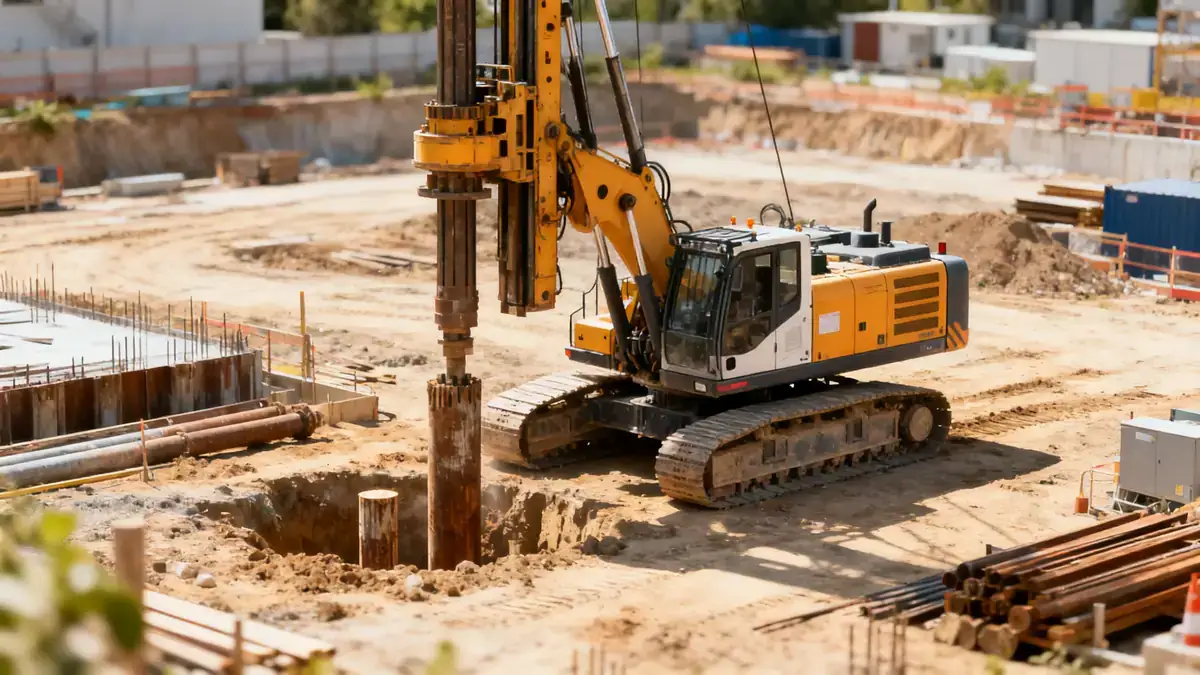
Our methodology for geotechnical investigations in Torrance follows a phased approach. We begin with a review of existing geologic maps and nearby boring logs to develop a preliminary ground model. Field exploration includes spt boring at 1.5 m intervals per ASTM D1586, with depths ranging from 15 to 30 m depending on structural loads. Standard Penetration Tests yield N60 values that guide soil classification and strength estimates. Laboratory testing on recovered samples includes grain size analysis, Atterberg limits, and direct shear tests. Data are synthesized into a geotechnical report with recommendations for foundation type, bearing capacity, and seismic design parameters.
Reference Technical Parameters
| Parameter | Reference Value |
|---|---|
| Predominant soil type | Alluvial sands and silty clays |
| Maximum seismic acceleration (PGA) | 0.4g (ASCE 7-16, Site Class D) |
| Typical groundwater level | 3 to 6 m below ground surface |
| Bedrock depth | 20 to 40 m (Miocene siltstone/shale) |
| Typical N60 range | 10 to 40 blows/0.3 m |
Local Considerations — Torrance
Torrance lies within the Los Angeles Basin, underlain by Quaternary alluvium and Pleistocene terrace deposits. The area is seismically active due to the nearby Palos Verdes Fault and Newport-Inglewood Fault Zone. Liquefaction potential is moderate in sandy layers near the water table. Our team addresses these hazards by performing site-specific seismic hazard analyses and recommending ground improvement where needed. For projects near the coast, we evaluate corrosion potential and sulfate attack. For a broader perspective, see geotechnical engineering en Los Angeles.
Request a Quote
Our team reviews your project and issues an initial report at no cost.
Or write us directly at [email protected]
Services in Torrance
Applicable Standards
- ASTM D1586 (Standard Penetration Test)
- ASCE 7-16 (Minimum Design Loads for Buildings)
- California Building Code (CBC 2022)
- Los Angeles County Building Code
- ASTM D2487 (Unified Soil Classification System)
Frequently Asked Questions
What soil types are common in Torrance?
Torrance soils are predominantly alluvial sands and silty clays, with occasional gravel layers. Near the coast, deposits include beach sands and marine clays. Bedrock consists of Miocene siltstone and shale at depths of 20 to 40 m.
How does seismic activity affect foundation design in Torrance?
Torrance is in a high seismic zone with design PGA up to 0.4g. Foundations must consider liquefaction potential in loose sands and cyclic softening in clays. Our reports include site-specific response spectra and lateral spread evaluations per ASCE 7.
Are geotechnical studies mandatory for construction in Torrance?
Yes, most building permits require a geotechnical report per the California Building Code. The report must address soil bearing capacity, settlement, seismic hazards, and groundwater conditions. Exceptions exist for minor additions, but our team recommends a study for any project.