Methodology
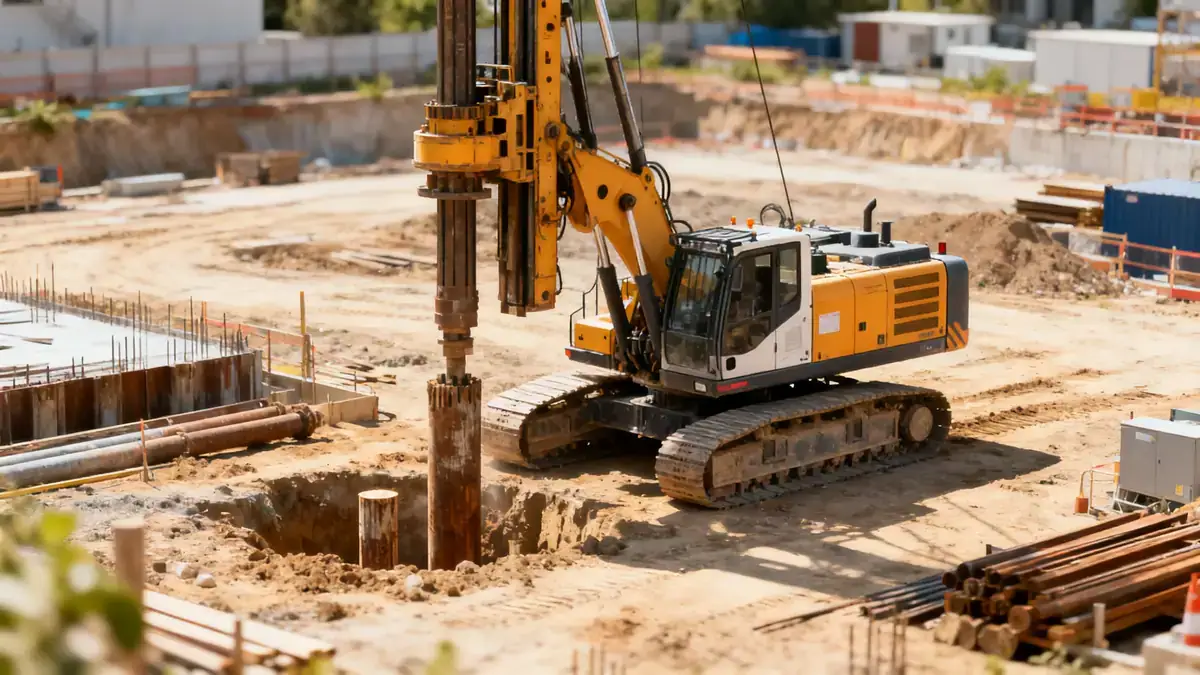
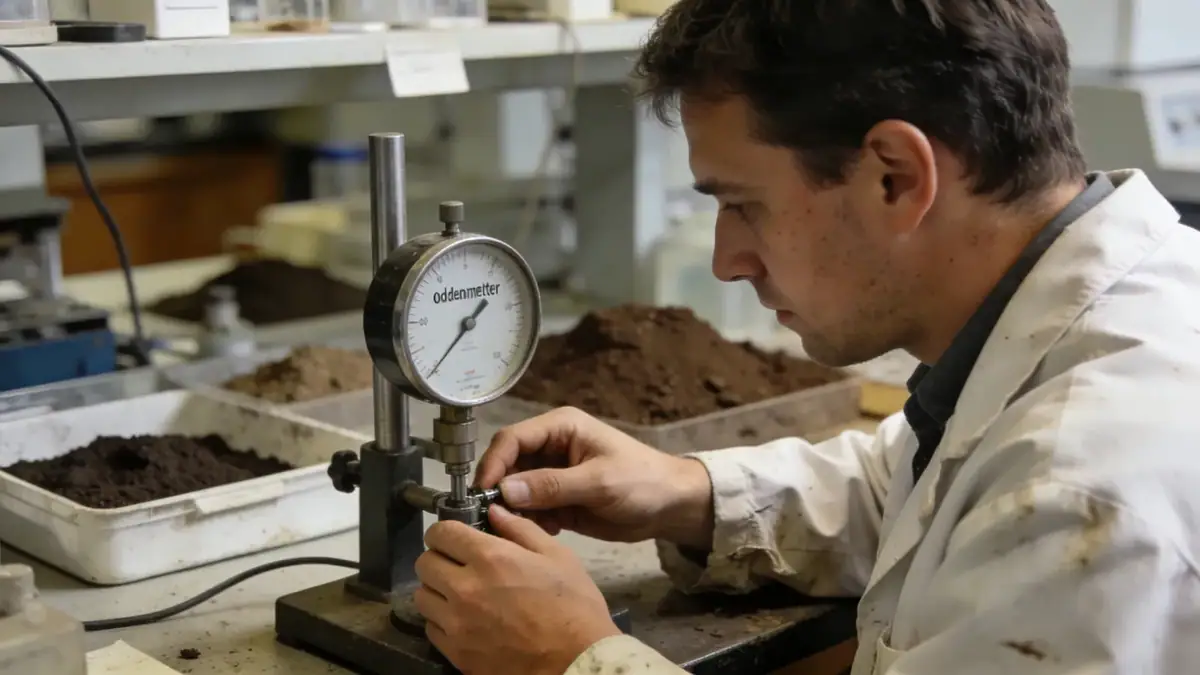
Our methodology for projects in Trenton begins with a review of existing geologic maps and nearby boring logs to plan a targeted investigation. We typically specify a combination of spt boring to obtain soil samples and measure N-values at 1.5-meter intervals per ASTM D1586, supplemented by test pits where shallow utilities are present. In the laboratory, we classify soils via sieve and hydrometer analyses (ASTM D6913, D7928) and determine strength parameters through direct shear tests (ASTM D3080). This integrated approach provides the reliable data needed for safe and economical design in Trenton's variable subsurface conditions.
Reference Technical Parameters
| Parameter | Reference Value |
|---|---|
| Predominant soil type | Glacial till, sand, silt, and clay |
| Maximum seismic acceleration (PGA) | 0.2–0.3 g (ASCE 7-16, Site Class C–D) |
| Typical groundwater level | 3–6 m below grade |
| Bedrock depth | 15–30 m (diabase, shale, sandstone) |
| Typical N60 range | 8–30 blows/0.3 m (sands and silts) |
Local Considerations — Trenton New Jersey
Trenton's subsurface is shaped by glacial processes: outwash sands and gravels dominate the Delaware River valley, while till and lacustrine clays underlie upland areas. Groundwater is generally shallow near the river, requiring dewatering for deep excavations. Seismic site classification per ASCE 7-16 typically yields Site Class C or D, with peak ground accelerations up to 0.3 g. Older neighborhoods (e.g., Chambersburg) may have undocumented fill that necessitates careful investigation. Our team links local experience with regional expertise from our geotechnical engineering en Philadelphia hub to deliver consistent quality across the Delaware Valley.
Request a Quote
Our team reviews your project and issues an initial report at no cost.
Or write us directly at [email protected]
Services in Trenton New Jersey
Applicable Standards
- ASTM D1586 (Standard Test Method for SPT)
- ASTM D2487 (Unified Soil Classification System)
- ASCE 7-16 (Minimum Design Loads and Associated Criteria for Buildings)
- IBC 2021 (International Building Code, adopted by New Jersey)
- New Jersey Residential Code (NJRC 2018)
Frequently Asked Questions
What types of soil are commonly found in Trenton, New Jersey?
Trenton's soils are primarily glacial till, sands, silts, and clays. Along the Delaware River, alluvial deposits include loose sands and silts. Upland areas feature stiff glacial clays and weathered bedrock. These variations require site-specific testing to characterize strength and compressibility.
Is a geotechnical study mandatory for construction in Trenton?
Yes, the New Jersey Uniform Construction Code (UCC) requires a geotechnical investigation for most building permits, especially for structures with foundations, retaining walls, or significant earthwork. The scope depends on building size, occupancy, and site conditions.
How does seismic risk affect foundation design in Trenton?
According to ASCE 7-16, Trenton lies in a moderate seismic zone with PGA values of 0.2–0.3 g. Soil amplification due to soft clays or loose sands can increase demands. Foundations must be designed for liquefaction potential and lateral spreading in susceptible areas near the river.