Methodology
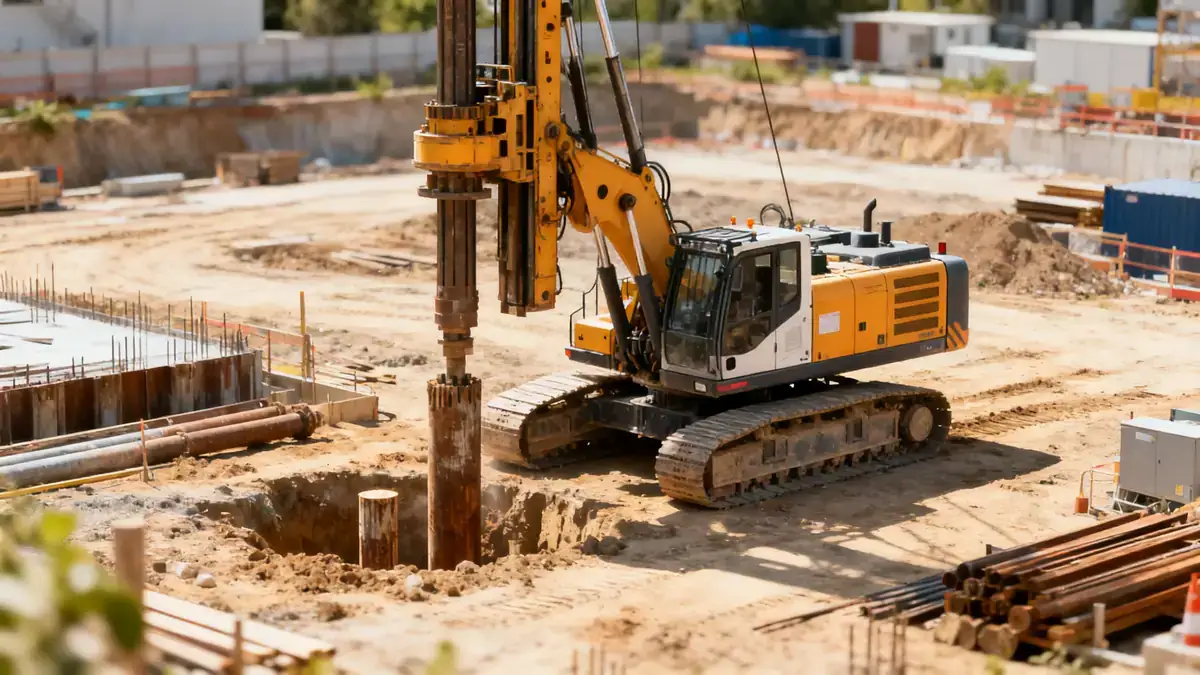
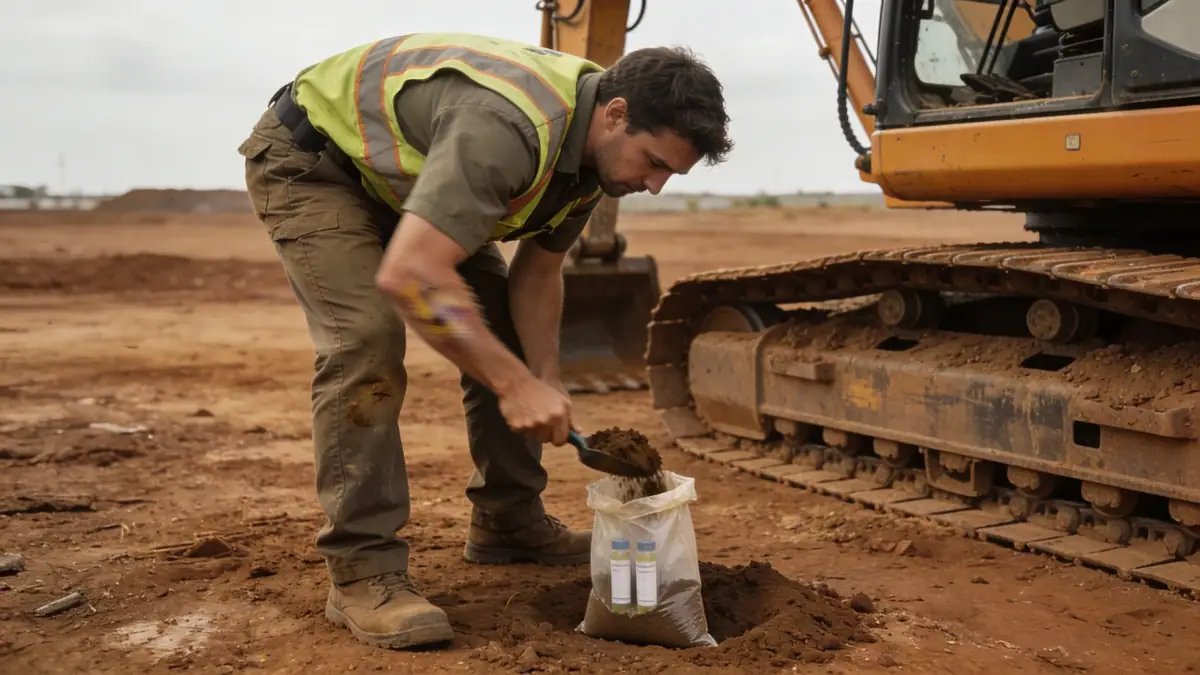
Our methodology in Tucson integrates field investigations, laboratory testing, and analytical modeling tailored to the region's geology. We conduct spt boring in accordance with ASTM D1586 to characterize soil strength and stratigraphy, with typical sampling intervals of 1.0 to 1.5 meters. These data are supplemented by in-situ penetration tests and laboratory analyses, including grain size distribution (ASTM D6913) and Atterberg limits (ASTM D4318). Our approach ensures a comprehensive understanding of subsurface conditions, enabling informed foundation and earthwork recommendations.
Reference Technical Parameters
| Parameter | Reference Value |
|---|---|
| Predominant soil type | Alluvial sands, silts, and gravels with localized clay lenses |
| Maximum seismic acceleration (PGA) | 0.2g to 0.3g (ASCE 7-16, Site Class D) |
| Typical groundwater level | More than 30 feet below ground surface, variable locally |
| Bedrock depth | 50 to 200 feet, deeper in valley fill areas |
| Typical N60 range | 10 to 50 blows per foot in granular soils |
Local Considerations — Tucson
Tucson's geology is dominated by basin-fill deposits from the Santa Cruz River and surrounding mountain ranges. The region experiences moderate seismicity due to active faults, including the Santa Rita fault zone. Expansive soils are common in areas with high clay content, necessitating special foundation designs. Our team has supported projects from downtown high-rises to suburban developments, adapting to variable soil conditions. For regional context, our team coordinates with our geotechnical engineering en Phoenix office to share insights across Arizona's diverse geotechnical landscape.
Request a Quote
Our team reviews your project and issues an initial report at no cost.
Or write us directly at [email protected]
Services in Tucson
Applicable Standards
- ASTM D1586
- ASCE 7-16
- IBC 2021
- ACI 318
Frequently Asked Questions
What are the most common soil types encountered in Tucson?
Tucson's soils are predominantly alluvial sands, silts, and gravels deposited by ancient river systems. However, localized areas contain expansive clays and caliche layers, which can affect foundation performance. Our investigations identify these variations to recommend appropriate foundation solutions.
How does seismic activity in Tucson affect geotechnical design?
Tucson is in a moderate seismic zone with mapped peak ground accelerations of 0.2g to 0.3g. Design must account for soil amplification and liquefaction potential in saturated sands. Our analyses follow ASCE 7-16 to ensure structures meet code requirements.
Are geotechnical studies mandatory for construction in Tucson?
While not always legally required for all projects, most lenders and local building officials recommend or require geotechnical reports for new construction, additions, or slope modifications. A thorough study mitigates risks related to soil settlement, expansive soils, and seismic response.