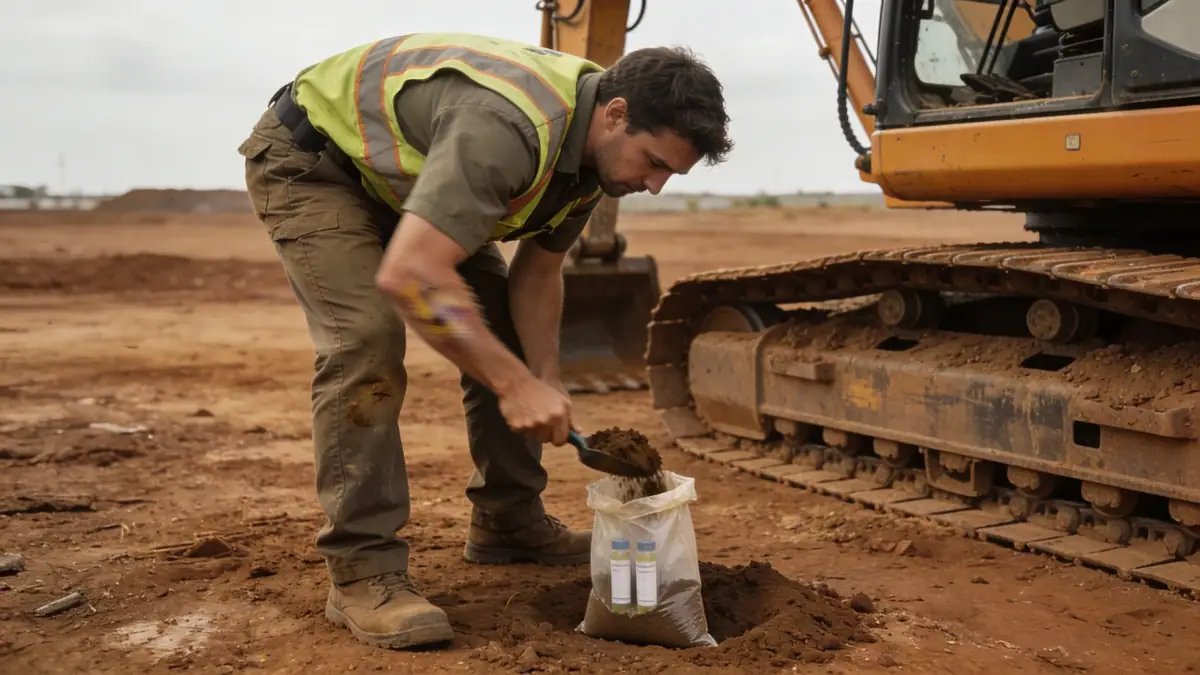
Methodology
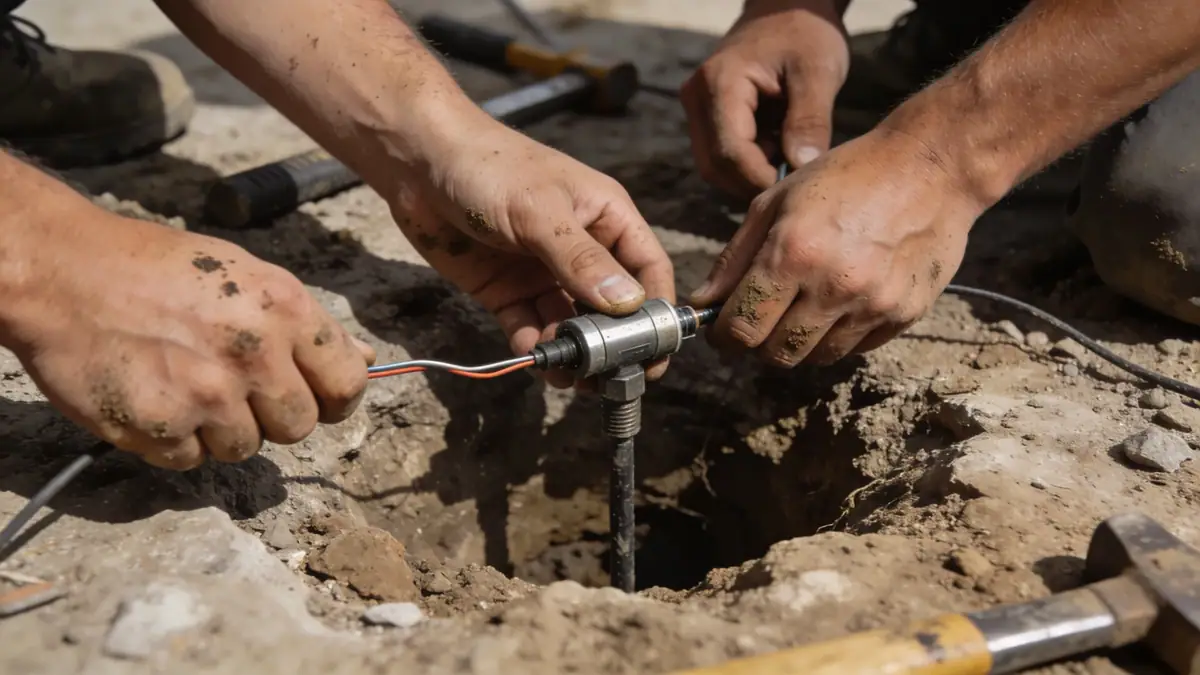
Our approach to geotechnical engineering in Virginia Beach begins with a thorough review of existing geologic maps and historical data. We then conduct field investigations, including spt boring to retrieve soil samples and measure resistance, and cone penetration testing for continuous stratigraphic profiling. Laboratory testing follows ASTM standards to determine soil classification, strength, and compressibility. We integrate these results with site-specific seismic hazard analyses per ASCE 7 to establish design parameters. Our methodology ensures that all recommendations are grounded in site-specific data, reducing uncertainty and risk for our clients.
Reference Technical Parameters
| Parameter | Reference Value |
|---|---|
| Predominant soil type | Sand, silty sand, and occasional clay lenses |
| Maximum seismic acceleration (PGA) | 0.15g to 0.20g (ASCE 7) |
| Typical groundwater level | 1.5 to 3.0 meters below ground surface |
| Bedrock depth | Greater than 30 meters (deep coastal plain) |
| Typical N60 range (SPT) | 5 to 30 blows/0.3m (loose to dense sand) |
Local Considerations — Virginia Beach
Virginia Beach sits on the Atlantic Coastal Plain, underlain by thick sequences of unconsolidated sediments. The water table is shallow, often within 2 meters, requiring dewatering considerations for excavations. Seismic hazard is moderate, with peak ground accelerations up to 0.20g per ASCE 7. The area is prone to nor'easters and hurricanes, which can cause storm surge and flooding, affecting site stability. Neighborhoods like Sandbridge and the Oceanfront have loose sands, while inland areas may encounter more cohesive soils. Typical projects include beachfront resorts and residential subdivisions, where foundation design must mitigate liquefaction potential. For a broader perspective, our geotechnical engineering en Philadelphia team also addresses similar coastal challenges in the Mid-Atlantic region.
Request a Quote
Our team reviews your project and issues an initial report at no cost.
Or write us directly at [email protected]
Services in Virginia Beach
Applicable Standards
- ASTM D1586 (Standard Penetration Test)
- ASCE 7 (Minimum Design Loads for Buildings)
- Virginia Uniform Statewide Building Code (USBC)
- ASTM D2487 (Unified Soil Classification System)
Frequently Asked Questions
What soil types are commonly found in Virginia Beach?
Virginia Beach predominantly features loose to medium dense sands, silty sands, and occasional clay layers. These soils are part of the Atlantic Coastal Plain deposits, with high permeability and variable bearing capacity. Proper site investigation is essential to characterize stratification and groundwater conditions.
Is seismic design required for structures in Virginia Beach?
Yes, per ASCE 7, Virginia Beach falls into Seismic Design Category B or C depending on site soil classification. Peak ground accelerations range from 0.15g to 0.20g. Structures must account for potential liquefaction in loose sands. A site-specific seismic hazard analysis may be needed for critical facilities.
Are geotechnical studies mandatory for construction in Virginia Beach?
While not always legally required for small residential projects, the Virginia Uniform Statewide Building Code mandates geotechnical investigations for most commercial and multi-family structures. Lenders and insurers often require them. Our team recommends subsurface exploration for any project to avoid costly failures.