Methodology
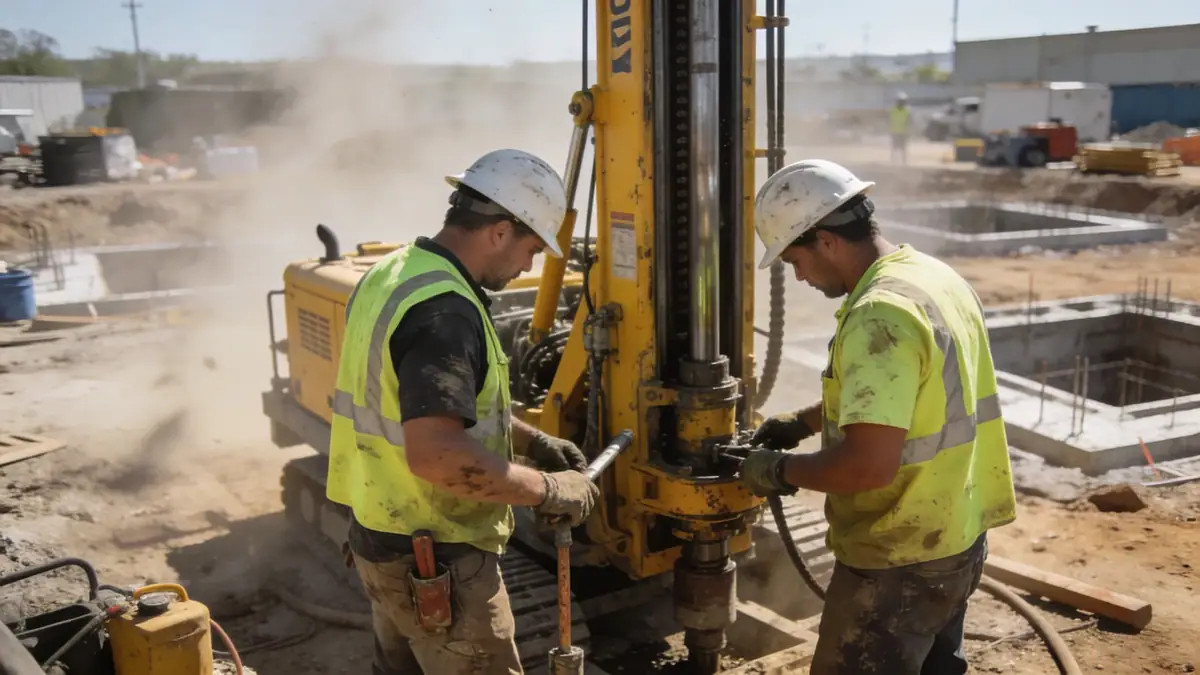
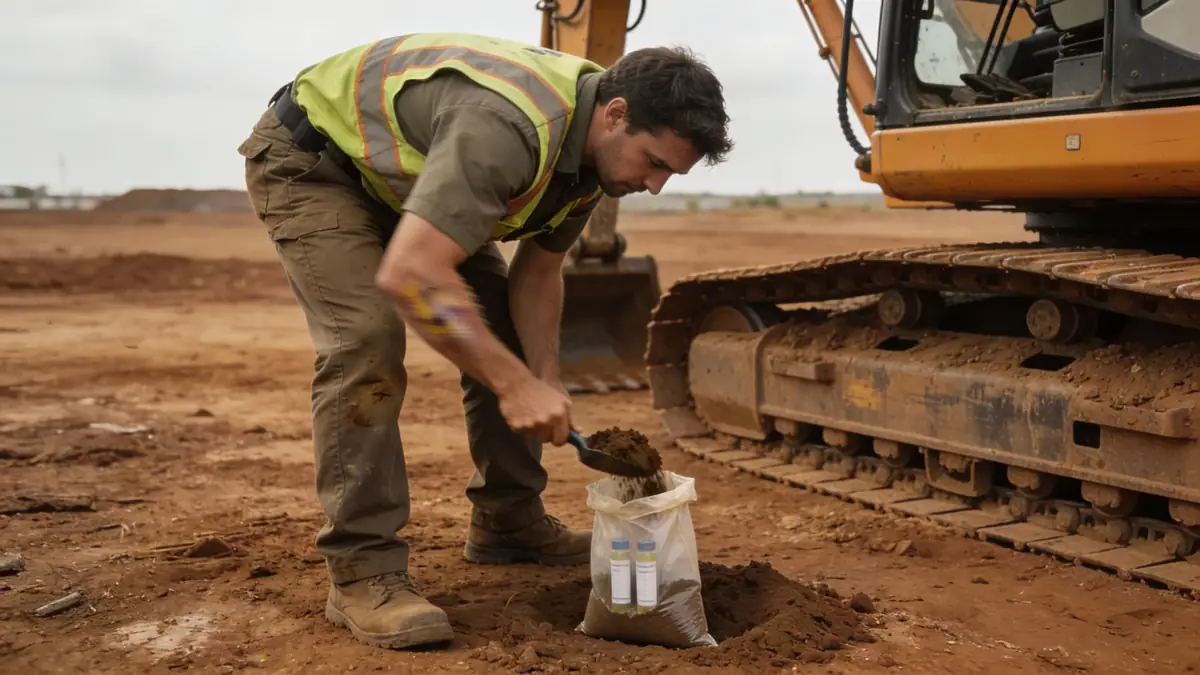
Our methodology for Visalia projects begins with a comprehensive review of existing geological maps and seismic hazard data. We then conduct targeted field investigations, including spt boring to obtain soil samples and measure N-values at regular intervals per ASTM D1586. Laboratory testing classifies soil properties such as grain size distribution and plasticity, essential for assessing expansive soil potential. Our approach ensures that each recommendation is tailored to Visalia's specific subsurface conditions, providing clients with defensible data for design and permitting.
Reference Technical Parameters
| Parameter | Reference Value |
|---|---|
| Predominant soil type | Alluvial silty sands and clays |
| Maximum seismic acceleration (PGA) | 0.30g (based on USGS data for 2% in 50 years) |
| Typical groundwater level | 5–15 feet below ground surface |
| Bedrock depth | >100 feet (deep alluvium) |
| Typical N60 range (SPT) | 5–25 blows per foot |
Local Considerations — Visalia
Visalia's alluvial soils, derived from Sierra Nevada erosion, present challenges such as variable layer thickness and potential for liquefaction during seismic events. The Tulare Lake basin influence creates fine-grained deposits with moderate to high plasticity, requiring careful evaluation of shrink-swell behavior. Our team collaborates with local building departments, referencing our soil mechanics laboratory for precise testing. We also coordinate with Los Angeles-based specialists for complex seismic analyses, leveraging our broader network to serve Visalia effectively.
Request a Quote
Our team reviews your project and issues an initial report at no cost.
Or write us directly at [email protected]
Services in Visalia
Applicable Standards
- ASTM D1586
- ASCE 7
- California Building Code (CBC)
- USGS Seismic Hazard Maps
Frequently Asked Questions
What are the typical soil conditions encountered in Visalia?
Visalia is underlain by deep alluvial deposits consisting of interbedded silty sands, clays, and gravels. These soils often exhibit variable density and plasticity, with groundwater levels ranging from 5 to 15 feet. Expansive clays are common in some areas, requiring specific testing for foundation design.
How does seismic activity affect geotechnical design in Visalia?
Visalia lies in a seismically active region due to nearby faults like the San Andreas and Sierra Nevada fault systems. Peak ground acceleration can reach 0.30g, necessitating liquefaction assessments and compliance with ASCE 7 seismic design categories. Our investigations address these hazards to ensure structural resilience.
Are geotechnical studies mandatory for new developments in Visalia?
Yes, local building codes typically require a geotechnical report for most new construction, especially in areas with known soil hazards. The report must characterize subsurface conditions, provide recommendations for foundations and slabs, and address seismic risks. Our team prepares reports that satisfy all regulatory requirements.