
Methodology
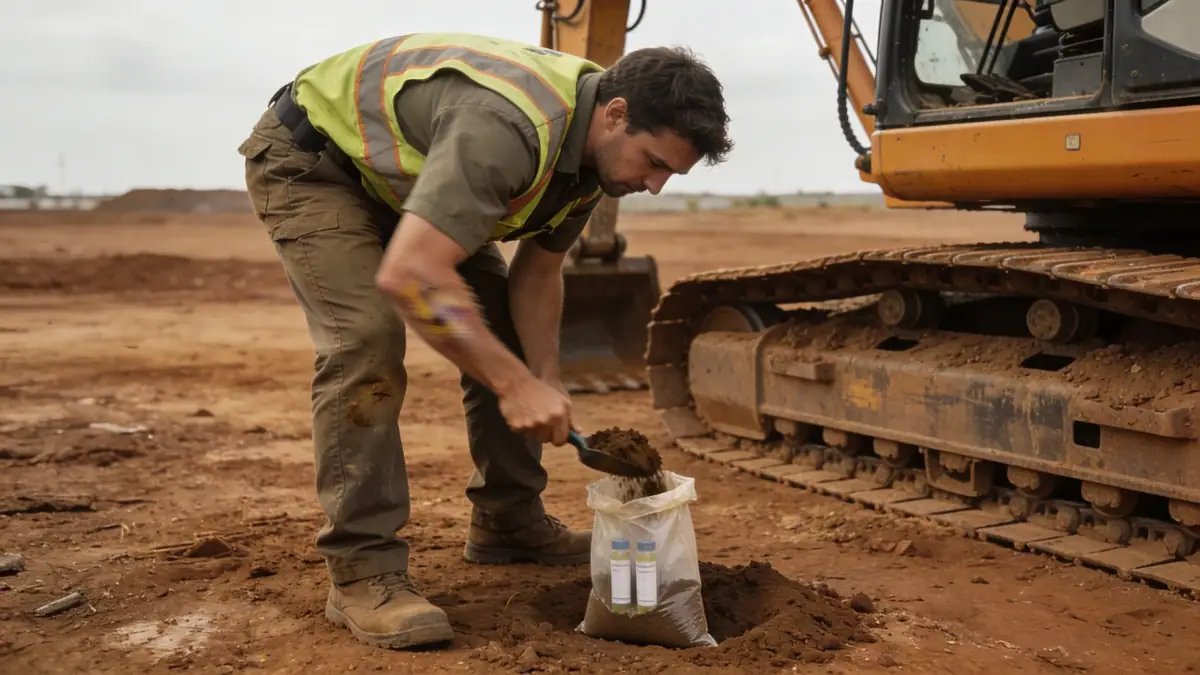
Our methodology for geotechnical engineering in Washington Dc integrates field investigation, laboratory testing, and analytical modeling. We perform spt boring at strategic locations to characterize soil strata and obtain undisturbed samples for laboratory analysis. Standard penetration tests are conducted in accordance with ASTM D1586, with sampling intervals typically every 1.5 meters to capture stratigraphic changes. In the laboratory, our soil mechanics laboratory performs index tests, consolidation, and direct shear to determine strength and compressibility parameters. For seismic design, we evaluate site class per ASCE 7-16, using shear wave velocity measurements where warranted. This comprehensive approach allows us to develop robust foundation recommendations that account for Washington Dc's variable ground conditions.
Reference Technical Parameters
| Parameter | Reference Value |
|---|---|
| Predominant soil type | Sandy silt and clay (Coastal Plain); residual silt and clay (Piedmont) |
| Maximum seismic acceleration (PGA, 2% in 50 years) | 0.15–0.25 g (per USGS hazard maps) |
| Typical groundwater level | 3–8 m below ground surface (varies seasonally) |
| Bedrock depth | 5–30 m (shallower in northwest, deeper southeast) |
| Typical N60 range (SPT) | 5–30 blows/ft (soft to medium dense in shallow deposits) |
Local Considerations — Washington Dc
Washington Dc sits astride the Fall Line, where the Atlantic Coastal Plain meets the Piedmont Province. Soils transition from unconsolidated sands and clays east of Rock Creek to residual silts and weathered schist in the northwest. Groundwater is typically encountered at 3–8 m depth, requiring dewatering for deep excavations. Seismic hazard is moderate, with PGA values up to 0.25 g per ASCE 7-16, necessitating site-specific response analysis for critical structures. Our team has extensive experience across neighborhoods—from the deep fill deposits of the Southwest Waterfront to the shallow bedrock of Chevy Chase. For comprehensive services, our geotechnical engineering en Philadelphia office provides regional support for multi-site projects.
Request a Quote
Our team reviews your project and issues an initial report at no cost.
Or write us directly at [email protected]
Services in Washington Dc
Applicable Standards
- ASTM D1586 (Standard Penetration Test)
- ASCE 7-16 (Minimum Design Loads for Buildings)
- IBC 2021 (International Building Code)
- DC Construction Codes (Title 12, Chapter 12A)
- USGS National Seismic Hazard Maps
Frequently Asked Questions
What are the typical soil conditions for geotechnical engineering in Washington Dc?
Soils vary widely due to the Fall Line. In the Coastal Plain, you'll find interbedded sands, silts, and clays. In the Piedmont, residual soils from weathered schist and gneiss dominate, with bedrock often at 5–15 m depth. Groundwater is shallow in many areas.
What seismic design requirements apply in Washington Dc?
The District follows the IBC and ASCE 7-16, with mapped PGA values of 0.15–0.25 g for the 2% in 50-year event. Site class determination via shear wave velocity or N60 is required, and soil liquefaction assessment is needed for loose saturated sands.
Are geotechnical investigations mandatory for construction in Washington Dc?
Yes, the DC Construction Code requires a geotechnical report for most new buildings and additions. The report must address soil bearing capacity, settlement, groundwater, and seismic site class. Our team ensures compliance with all local regulations.