Methodology
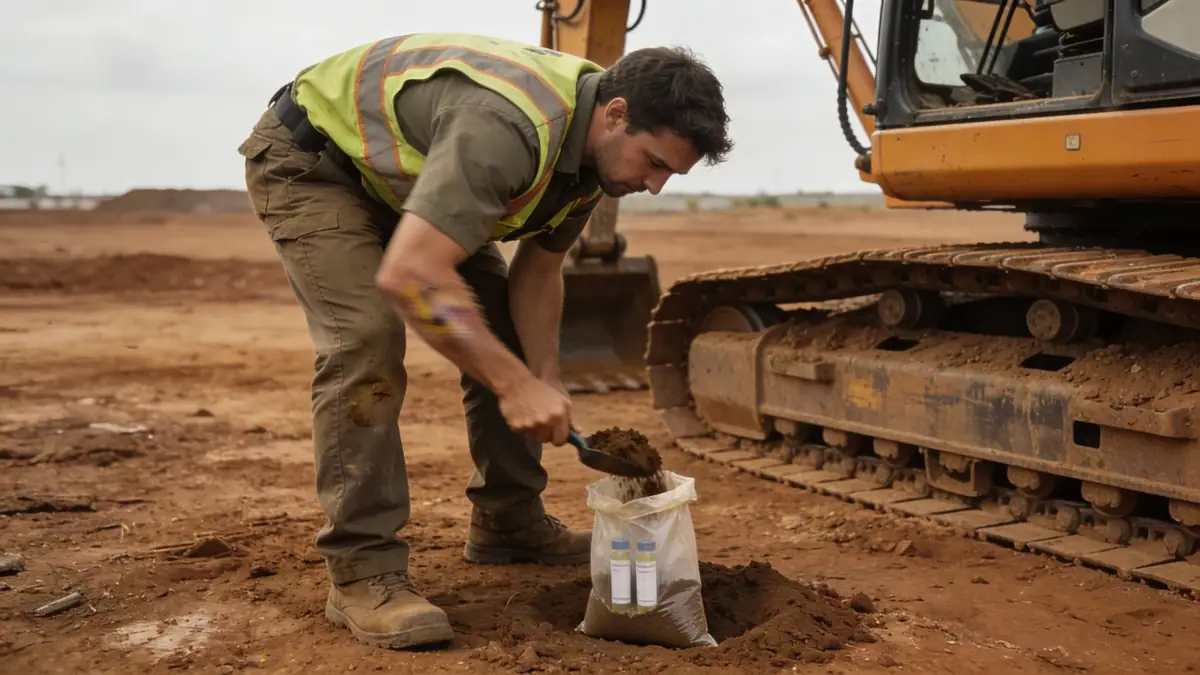
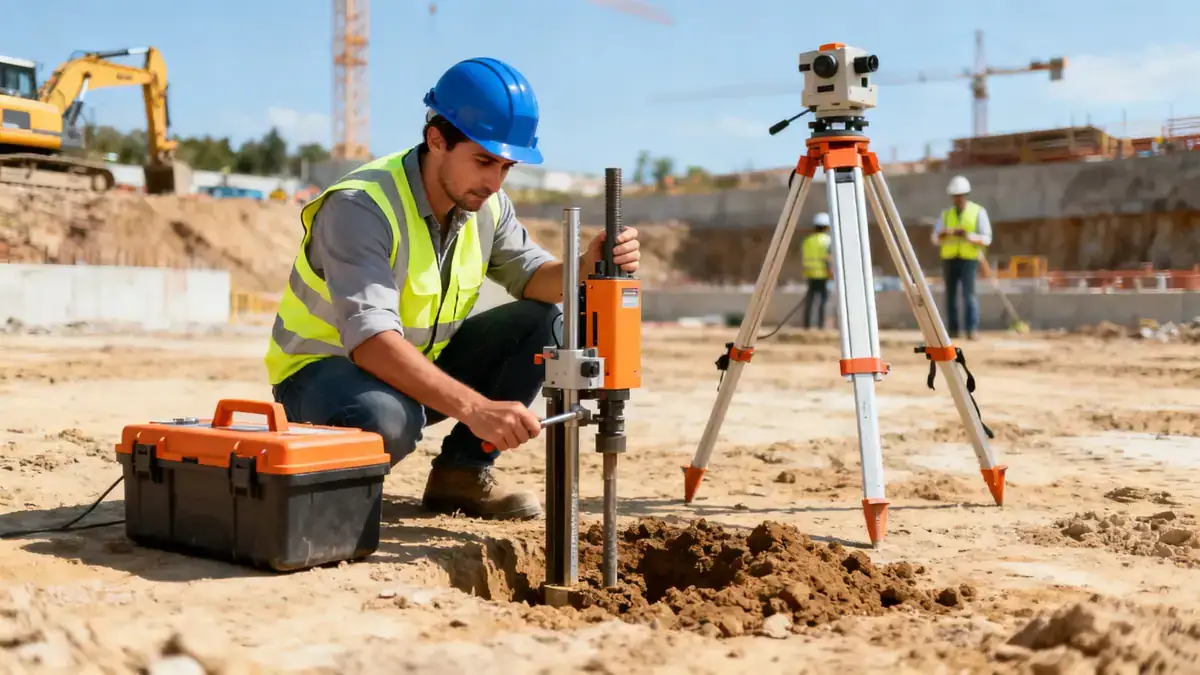
Our methodology in West Valley City begins with a comprehensive review of existing geologic maps and seismic hazard data. We then perform targeted field investigations, including spt boring and sampling in accordance with ASTM D1586, to obtain soil profiles and strength parameters. Laboratory testing follows, with classification, compaction, and strength tests tailored to project needs. We integrate these data with site-specific seismic response analysis to recommend foundation types and depths. This systematic process ensures that each project—whether a single-family home or a multi-story building—is built on a reliable geotechnical basis, minimizing risk and optimizing construction costs.
Reference Technical Parameters
| Parameter | Reference Value |
|---|---|
| Predominant soil type | Silty sands and clays (SM, CL) with gravel layers |
| Maximum seismic acceleration (PGA) | 0.4g for 2% exceedance in 50 years (ASCE 7-22) |
| Typical groundwater level | 3–8 m below surface, varies seasonally |
| Bedrock depth | 20–50 m (sedimentary rock, mostly sandstone and shale) |
| Typical N60 range | 4–25 blows/ft (soft to medium stiff soils) |
Local Considerations — West Valley City
West Valley City's geology is dominated by Quaternary alluvial deposits from the Jordan River and Lake Bonneville sediments. These soils are generally fine-grained with interbedded sand and gravel layers, leading to variable bearing capacity. The water table is shallow in low-lying areas, requiring dewatering considerations for excavations. Seismic hazards are significant due to the Wasatch Fault, requiring site-specific response analyses per ASCE 7. In the northern sectors, collapsible soils may be present, while southern areas near the mountains have stiffer alluvial fans. Our experience includes projects in both zones, and we coordinate with local authorities to ensure compliance with city codes. For broader regional context, we also offer geotechnical engineering in Denver for clients with multi-state portfolios.
Request a Quote
Our team reviews your project and issues an initial report at no cost.
Or write us directly at [email protected]
Services in West Valley City
Applicable Standards
- ASTM D1586
- ASCE 7-22
- IBC 2021
- UBC 1997 (local amendments)
- Utah Administrative Code R156-55a
Frequently Asked Questions
What soil types are typical in West Valley City?
Soils are predominantly silty sands and clays of alluvial origin, with occasional gravel layers. Collapsible soils exist near the lake plain, while stiffer deposits occur toward the mountain front. Proper characterization via SPT and laboratory testing is essential for foundation design.
How does seismic hazard affect geotechnical design in West Valley City?
The city lies near the Wasatch Fault, requiring seismic site classification and liquefaction assessment per ASCE 7. Peak ground accelerations of 0.4g are typical, which may necessitate ground improvement or deep foundations for critical structures. Our team integrates these factors into every project.
Are geotechnical studies mandatory for construction in West Valley City?
Yes, most building permits require a geotechnical report prepared by a licensed engineer. The scope depends on project size and site conditions. Our firm routinely prepares these reports, addressing soil bearing capacity, settlement, and seismic hazards in accordance with local codes.