Methodology
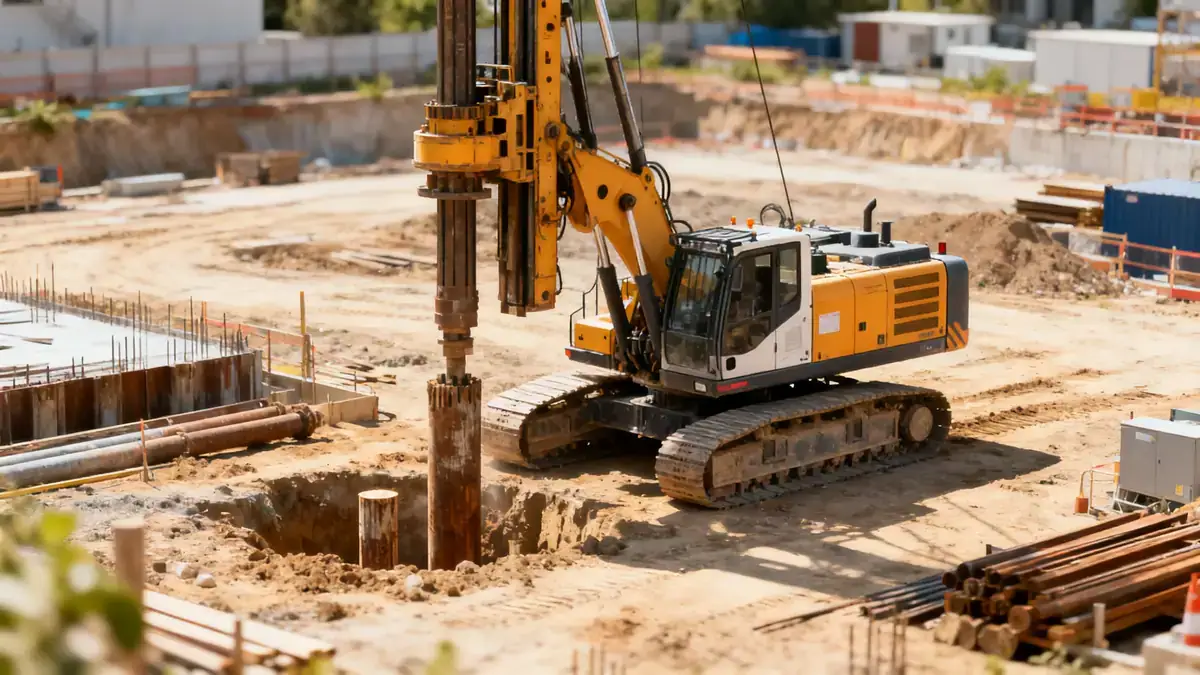
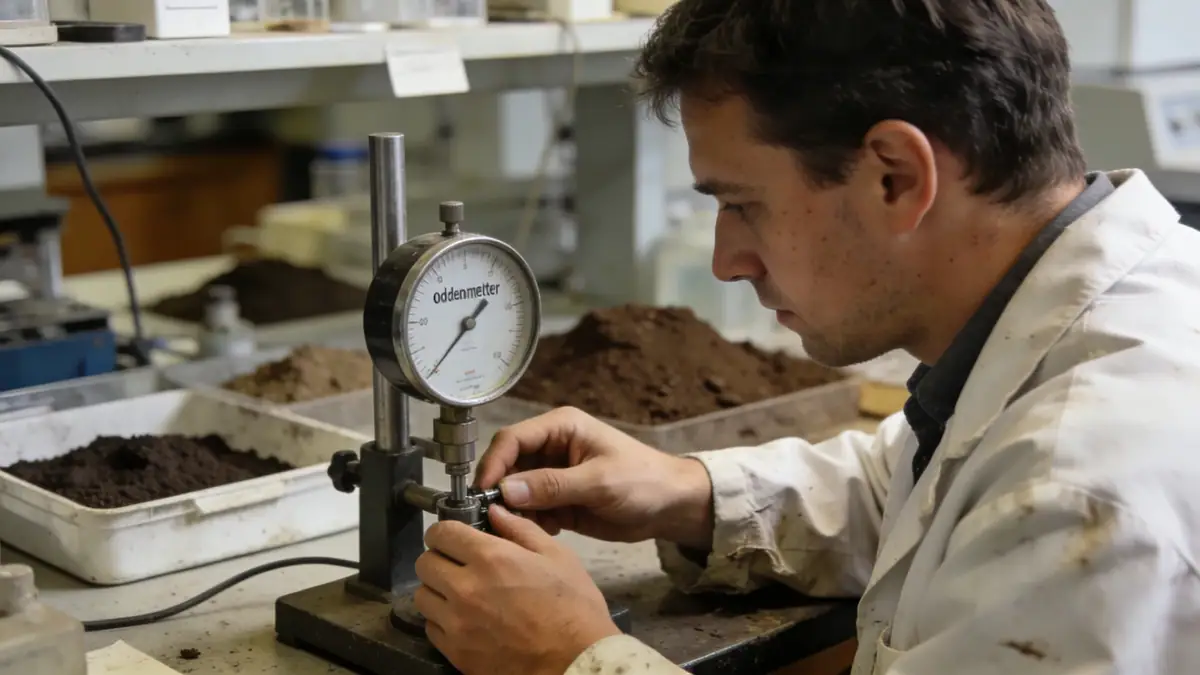
Our methodology for geotechnical engineering in Wichita begins with a comprehensive site reconnaissance and review of existing geologic maps. We then conduct a subsurface exploration program, typically including spt boring to collect disturbed and undisturbed soil samples at regular intervals. These samples are analyzed in our soil mechanics laboratory to determine index properties, strength, and consolidation characteristics. Our approach integrates field data with local geotechnical knowledge to develop soil profiles and design parameters. All work follows ASTM D1586 for SPT and other applicable standards, ensuring consistency and reliability across projects in Wichita.
Reference Technical Parameters
| Parameter | Reference Value |
|---|---|
| Predominant soil type | Alluvial silts and clays with sand layers |
| Maximum seismic acceleration (PGA) | 0.15g (ASCE 7-16) |
| Typical groundwater level | 3 to 6 meters below grade |
| Bedrock depth | 15 to 30 meters (shale) |
| Typical N60 range | 4 to 20 blows per 0.3 m |
Local Considerations — Wichita
Wichita’s geologic setting is dominated by Quaternary alluvial deposits from the Arkansas River and its tributaries. These sediments consist of interbedded silts, clays, sands, and gravels, often with high plasticity and variable density. Shallow groundwater is common, especially near the river, requiring dewatering considerations for excavations. The region lies in a low-to-moderate seismic zone, with peak ground accelerations per ASCE 7 reaching 0.15g. Site-specific seismic response analyses are recommended for critical structures. Our firm’s experience includes projects throughout Wichita, from downtown high-rises to suburban developments. For broader regional context, see our geotechnical engineering in Denver services.
Request a Quote
Our team reviews your project and issues an initial report at no cost.
Or write us directly at [email protected]
Services in Wichita
Applicable Standards
- ASTM D1586 (Standard Penetration Test)
- ASCE 7-16 (Minimum Design Loads and Associated Criteria for Buildings and Other Structures)
- IBC 2021 (International Building Code)
- Wichita Municipal Code (Chapter 5.08)
- ASTM D2487 (Classification of Soils for Engineering Purposes)
Frequently Asked Questions
What are the typical soil types encountered in Wichita?
Wichita soils are predominantly alluvial, consisting of silts, clays, sands, and gravels from the Arkansas River floodplain. These deposits vary in thickness and density, often with high plasticity clays that require careful geotechnical analysis for foundation design.
Is seismic analysis required for projects in Wichita?
Yes, Wichita is in a low-to-moderate seismic zone per ASCE 7-16, with a PGA of 0.15g. Seismic site classification and liquefaction potential assessments are recommended for critical structures, especially on soft soils along the river corridor.
Are geotechnical investigations mandatory for construction in Wichita?
While not always legally required for all projects, most local building officials recommend geotechnical studies for commercial buildings and residential developments with deep foundations or sensitive soils. Our firm provides these investigations to ensure code compliance and safety.