Methodology
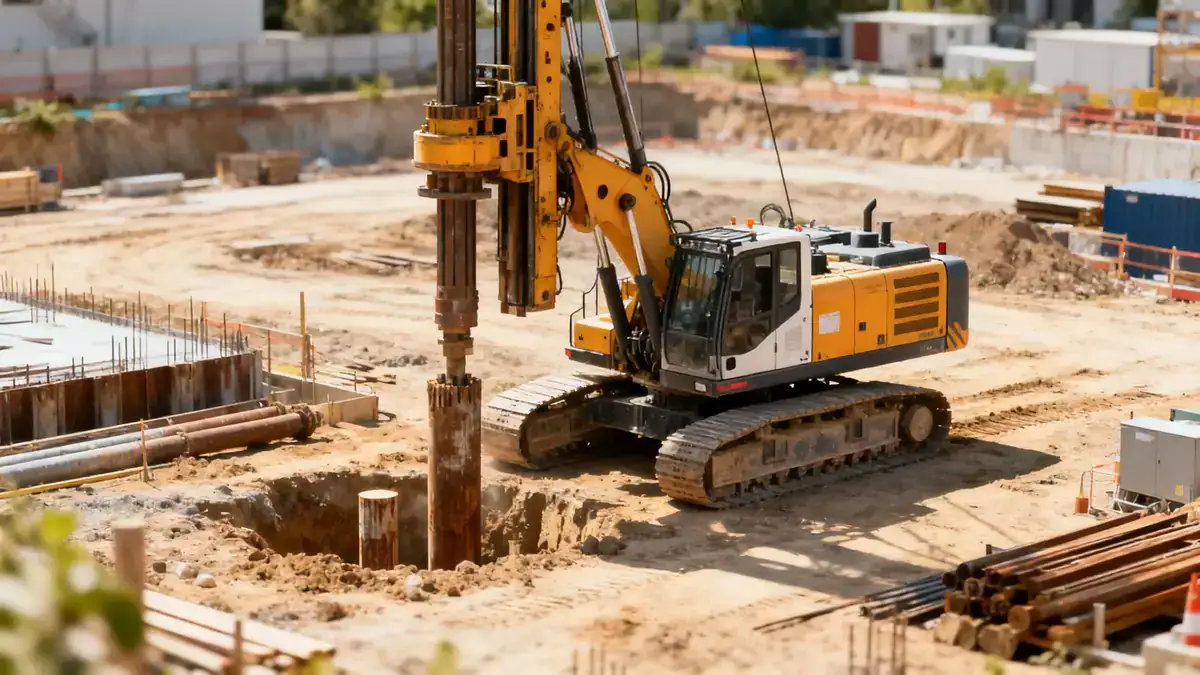
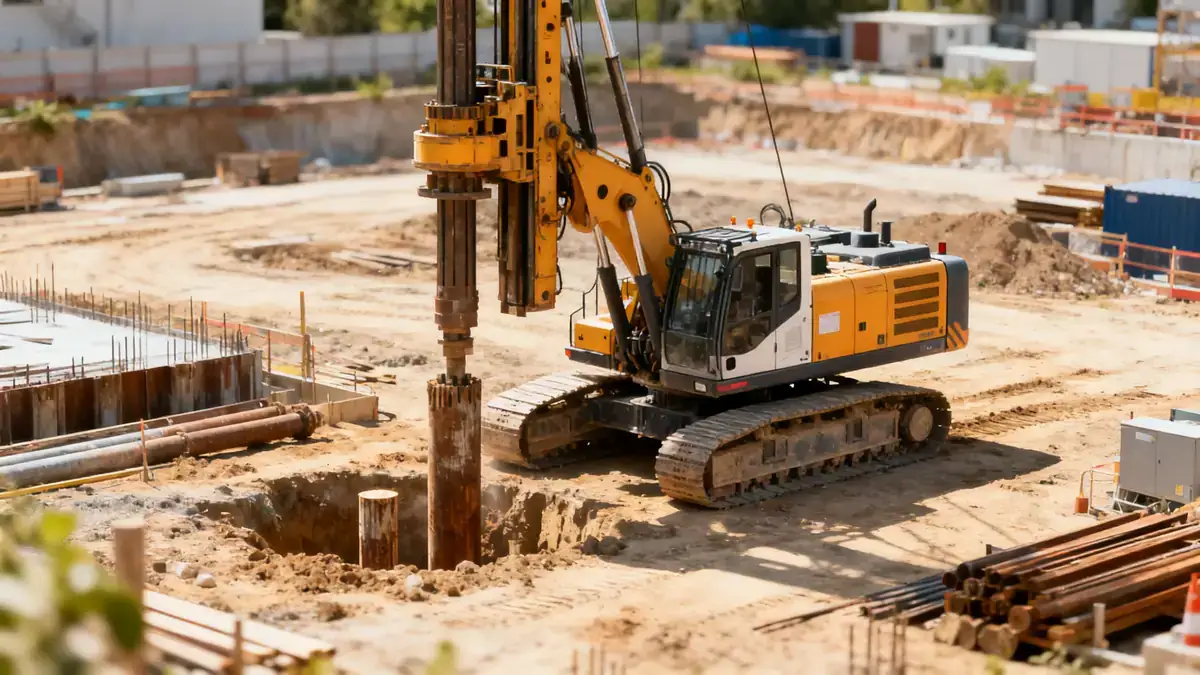
Our methodology for geotechnical engineering in Wilmington Delaware integrates site-specific exploration, laboratory testing, and advanced analysis. We employ techniques such as spt boring to characterize soil profiles, with sampling intervals per ASTM D1586 typically every 1.5 meters. In coastal areas, we assess groundwater fluctuations and soil compressibility. Our approach prioritizes data accuracy to support foundation design, slope stability, and earthwork specifications, leveraging decades of regional expertise to mitigate risks associated with soft clays and loose sands.
Reference Technical Parameters
| Parameter | Reference Value |
|---|---|
| Predominant soil type | Silty sands and soft clays (alluvial/coastal plain deposits) |
| Maximum seismic acceleration (PGA) | 0.15g to 0.25g (ASCE 7-16, Site Class D) |
| Typical groundwater level | 1.5 to 4.5 meters below ground surface |
| Bedrock depth | 20 to 40 meters (crystalline schist/gneiss) |
| Typical N60 range | 4 to 15 blows per foot (soft to medium dense soils) |
Local Considerations — Wilmington Delaware
Wilmington Delaware's geology is dominated by the Atlantic Coastal Plain, with unconsolidated sediments overlying crystalline bedrock. Our geotechnical engineering in Wilmington Delaware accounts for high groundwater levels and the presence of organic soils in low-lying areas. Seismic design per ASCE 7 requires consideration of site amplification due to soft soils. The city's historical industrial areas may contain fill and buried structures, necessitating thorough investigations. We coordinate with local jurisdictions to address these challenges, drawing on our broader experience from our geotechnical engineering en Philadelphia office to deliver tailored solutions.
Request a Quote
Our team reviews your project and issues an initial report at no cost.
Or write us directly at [email protected]
Services in Wilmington Delaware
Applicable Standards
- ASTM D1586 (Standard Penetration Test)
- ASCE 7-16 (Minimum Design Loads and Associated Criteria for Buildings and Other Structures)
- IBC 2021 (International Building Code)
- ASTM D422 (Particle-Size Analysis of Soils)
Frequently Asked Questions
What are the typical soil conditions in Wilmington Delaware?
The predominant soils are silty sands and soft clays of alluvial origin, with occasional organic layers. These deposits are underlain by crystalline bedrock at depths of 20 to 40 meters. Groundwater is typically shallow, between 1.5 and 4.5 meters, influencing foundation design.
Is seismic design required in Wilmington Delaware?
Yes, per ASCE 7-16, Wilmington Delaware is in a moderate seismic zone with PGA values of 0.15g to 0.25g. Site-specific seismic analysis is recommended due to potential soil amplification from soft coastal plain deposits, which can increase ground motion demands.
Are geotechnical investigations mandatory for new construction in Wilmington?
While not explicitly mandated for all projects, the local building code (IBC 2021) requires site characterization for seismic design and foundation support. Most municipalities in New Castle County recommend or require geotechnical reports for commercial and multi-family structures to ensure public safety.