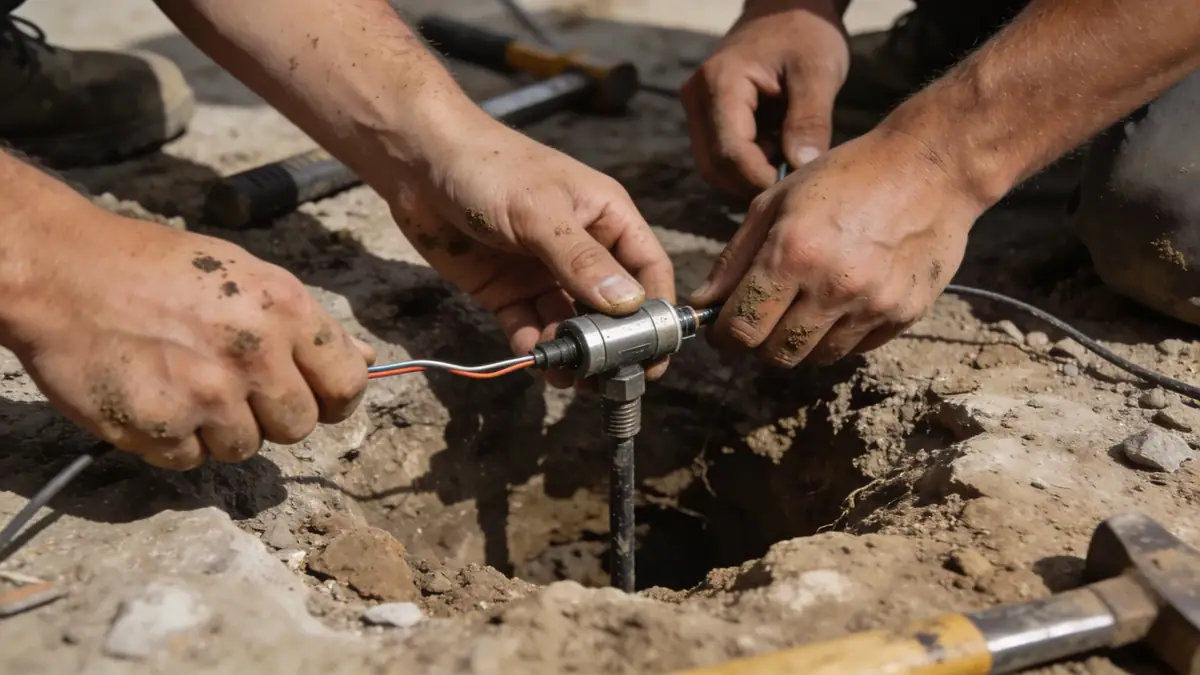
Methodology
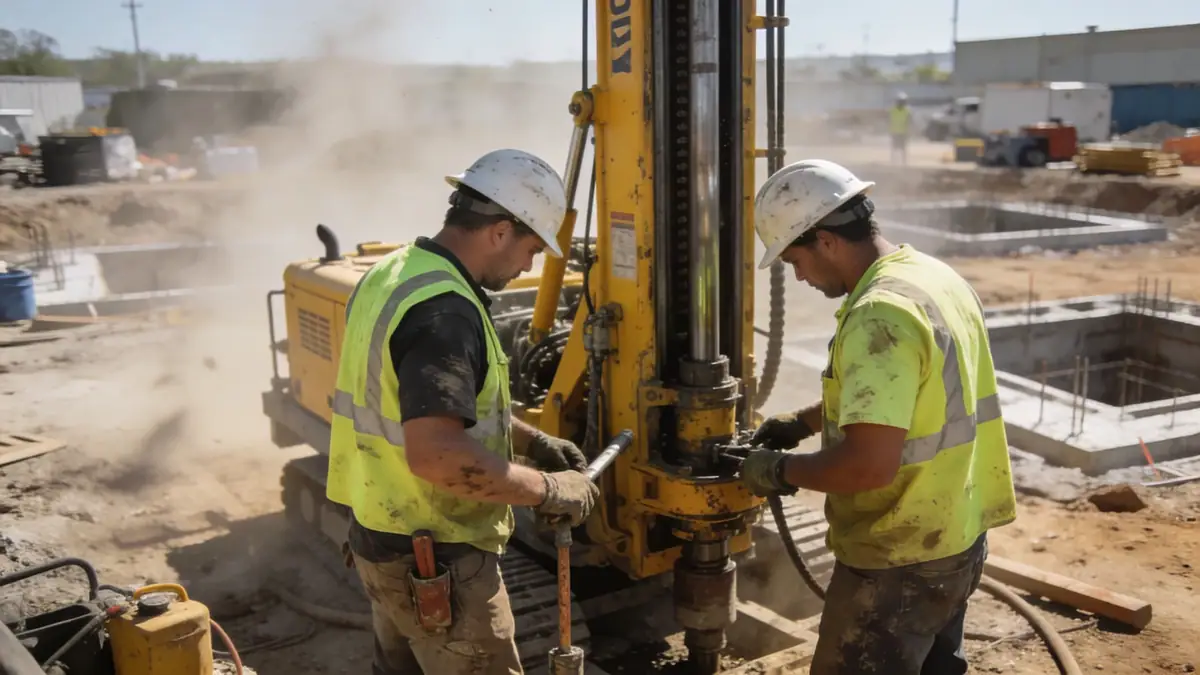
Our methodology for geotechnical engineering in Winston Salem begins with a thorough review of existing geological maps and regional seismic data. We then conduct subsurface investigations using standard penetration testing (SPT) in accordance with ASTM D1586, with typical sampling intervals of 1.5 meters to depths of up to 30 meters for industrial projects. Our spt boring program provides continuous soil classification and in-situ strength parameters. Laboratory testing on recovered samples includes index properties, moisture-density relationships, and direct shear strength. All data is integrated into a geotechnical report that outlines foundation recommendations, settlement estimates, and construction considerations tailored to the Piedmont's saprolitic soils.
Reference Technical Parameters
| Parameter | Reference Value |
|---|---|
| Predominant soil type | Residual silty sands and clays (saprolite) derived from granite and gneiss |
| Maximum seismic acceleration (PGA) | 0.2g (ASCE 7-16, Site Class C-D) |
| Typical groundwater level | 5-15 meters below ground surface, variable with topography |
| Bedrock depth | Typically 5-30 meters; weathered rock may extend deeper |
| Typical N60 range | 10-30 blows per 0.3m in residual soils; higher in weathered rock |
Local Considerations — Winston Salem
Winston Salem's Piedmont geology dictates that most soils are residual, formed from in-place weathering of metamorphic and igneous bedrock. These soils often exhibit high variability over short distances, with pockets of clay and silt intermixed with silty sands. Groundwater levels fluctuate seasonally, and shallow bedrock can complicate excavation. Seismic design per ASCE 7-16 requires Site Class C or D categorization, with peak ground accelerations of 0.2g. Our team has extensive experience with these conditions, and we coordinate with local authorities to ensure compliance. For projects requiring specialized analysis, we offer slope stability evaluations for cut slopes and embankments common in the region. Additionally, our geotechnical engineering en Atlanta office supports regional projects with advanced laboratory and modeling capabilities.
Request a Quote
Our team reviews your project and issues an initial report at no cost.
Or write us directly at [email protected]
Services in Winston Salem
Applicable Standards
- ASTM D1586 (Standard Penetration Test)
- ASTM D2487 (Unified Soil Classification System)
- ASCE 7-16 (Minimum Design Loads and Associated Criteria for Buildings and Other Structures)
- IBC 2018 (International Building Code) – adopted by North Carolina
- North Carolina State Building Code (Chapter 18 – Soils and Foundations)
Frequently Asked Questions
What are the typical soil conditions for geotechnical engineering in Winston Salem?
Winston Salem is located in the Piedmont region, characterized by residual soils (saprolite) derived from weathered granite and gneiss. These soils range from silty sands to clays, often with high variability. Bedrock depth varies from 5 to 30 meters, and groundwater is typically found at depths of 5–15 meters.
What seismic codes apply to foundation design in Winston Salem?
Design follows ASCE 7-16 and the North Carolina State Building Code. The region has a peak ground acceleration of 0.2g for Site Class C or D. Seismic site classification requires subsurface data to determine proper amplification factors and design spectra.
Is a geotechnical study mandatory for construction projects in Winston Salem?
The North Carolina Building Code requires a geotechnical investigation for most commercial and multi-family structures. For single-family homes, it is often recommended but not mandatory. However, due to variable soil conditions, a study is advisable to avoid settlement or foundation issues.