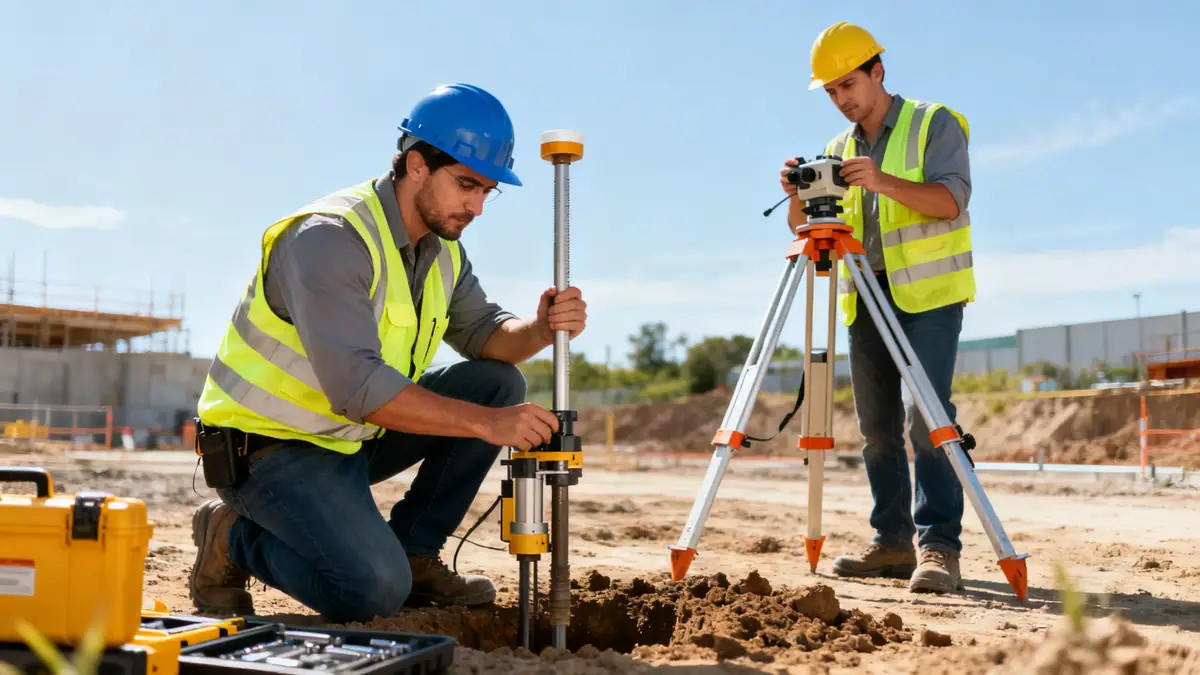
Methodology
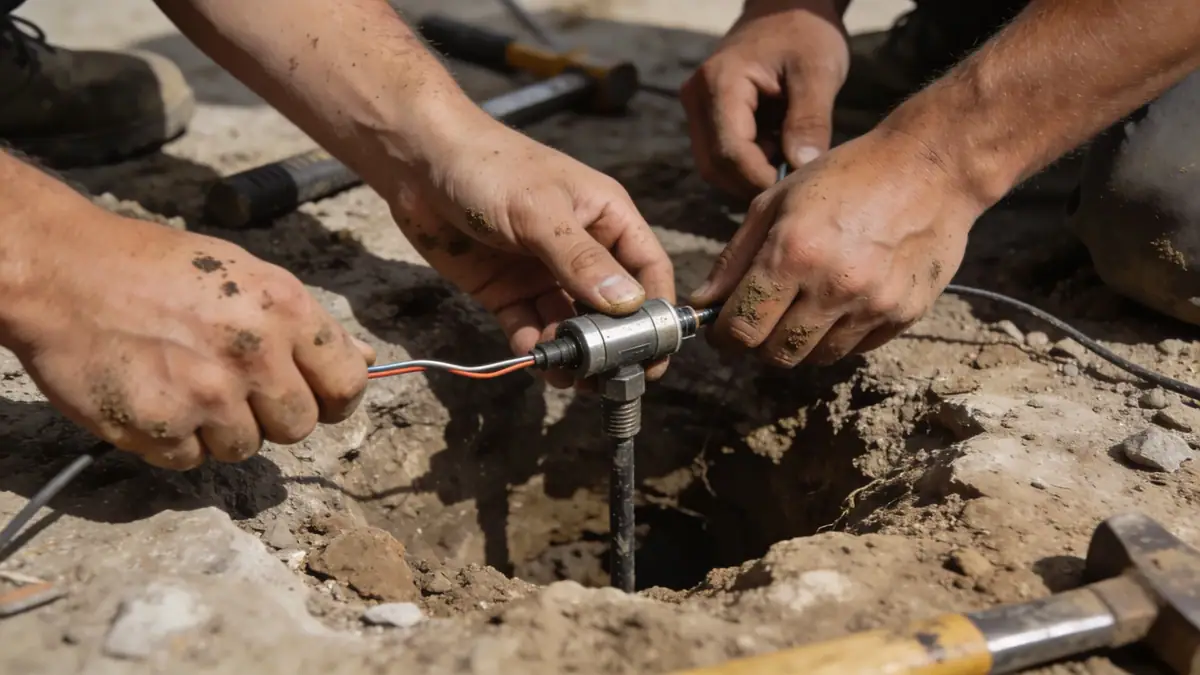
Our methodology for geotechnical engineering in Worcester integrates advanced field investigation and laboratory testing. We conduct standard penetration tests (SPT) per ASTM D1586, with sampling intervals of 1.0–1.5 m, to depths of 8–15 m for residential projects and up to 30 m for industrial facilities. In cohesive soils, we perform undisturbed sampling for consolidation and triaxial testing. Our team utilizes continuous cone penetration testing (CPT) for detailed stratigraphic profiling. All data is analyzed using site-specific correlations calibrated to Worcester's glacial and lacustrine deposits. For detailed procedures, see our spt boring service page.
Reference Technical Parameters
| Parameter | Reference Value |
|---|---|
| Predominant soil type | Glacial till and lacustrine silty clays |
| Maximum seismic acceleration (PGA) | 0.18g (ASCE 7-16, Site Class C) |
| Typical groundwater level | 2–5 m below ground surface |
| Bedrock depth | 5–30 m, shallower in downtown area |
| Typical N60 range | 4–15 in till; 2–8 in lacustrine deposits |
Local Considerations — Worcester
Worcester's geology is dominated by glacial till and lacustrine deposits overlying bedrock of the Nashoba Terrane. The downtown area features shallow bedrock (<10 m) and variable fill, while eastern zones have thick compressible clays with groundwater at 2–4 m depth. Seismic site classification per ASCE 7-16 typically ranges from Site Class C to D, with PGA values around 0.18g. Differential settlement risks are high in lacustrine zones, requiring deep foundations or ground improvement. Our team tailors investigations to these conditions, referencing our soil mechanics laboratory for advanced testing. For broader context, we coordinate with our geotechnical engineering en New York hub.
Request a Quote
Our team reviews your project and issues an initial report at no cost.
Or write us directly at [email protected]
Services in Worcester
Applicable Standards
- ASTM D1586
- ASTM D2487
- ASCE 7-16
- IBC 2021
- Massachusetts State Building Code 9th Edition
Frequently Asked Questions
What are the typical soil types encountered in Worcester?
Worcester's soils are predominantly glacial till (sandy silt with gravel) and lacustrine silty clays. Till is dense and provides good bearing capacity, while lacustrine clays are soft and compressible, requiring careful foundation design.
Does Worcester have specific seismic design requirements?
Yes, Worcester lies in a moderate seismic zone. Per ASCE 7-16, the mapped spectral acceleration (Ss) is about 0.18g for Site Class C. The Massachusetts State Building Code adopts the IBC with amendments, requiring seismic design for most structures.
Are geotechnical investigations mandatory for construction in Worcester?
The Massachusetts State Building Code requires a geotechnical investigation for all new buildings and major renovations. Local bylaws may also mandate subsurface exploration for permits, especially in areas with known fill or soft soils.